Knowledge

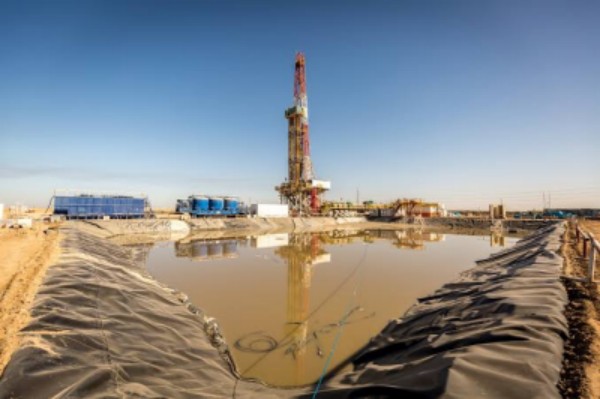
In many mature oilfields, the volume of water produced can exceed oil production by several times. Managing this water has become one of the biggest operational and environmental challenges for oil and gas operators.

Produced water is no longer viewed simply as a waste stream. If correctly handled, produced water can be discharged in compliance with environmental regulations, and can also be reused for industrial applications or reinjected into oil reservoirs to maintain formation pressure and enhance oil recovery.

In this article, we cover produced water, the treatment challenges it presents, and the role of filtration in water reinjection.

what is produced water

What Is The Produced Water?

Produced water is water produced alongside oil and gas during production. It is produced together with oil and gas and may originate from formation water trapped naturally in subsurface reservoirs, injected water returned from enhanced oil recovery (EOR) operations, condensed water from gas production, and small amounts of production chemicals.

Unlike fresh water, produced water has been in contact with hydrocarbons and geological formations for many years. As a consequence, it usually consists of a complex mixture of dissolved salts, suspended particles, oil droplets, gases and chemical additives that require suitable treatment prior to reuse, discharge or reinjection.

Produced water composition differs between fields due to reservoir geology,  production methods, field age, water injection practices, and chemical treatment. The treatment approach needs to match the water quality and operating conditions of the field.

Why Does Produced Water Increase Over Time?

Water cut increases with the age of an oilfield, and water production increases as water cut rises. Wells in early production generate mostly oil, but when the reservoir pressure drops, operators often inject water to maintain pressure and improve oil recovery. Over a period of time, most of the injected water returns to the surface mixed with formation water.

In mature oilfields, produced water can make up more than 80–95% of the total fluids produced, meaning operators may handle several barrels of water for every barrel of oil. As a consequence water management is an operational task of increasing importance and a key cost factor over the life of the field.

What Contaminants Are Found in Produced Water?

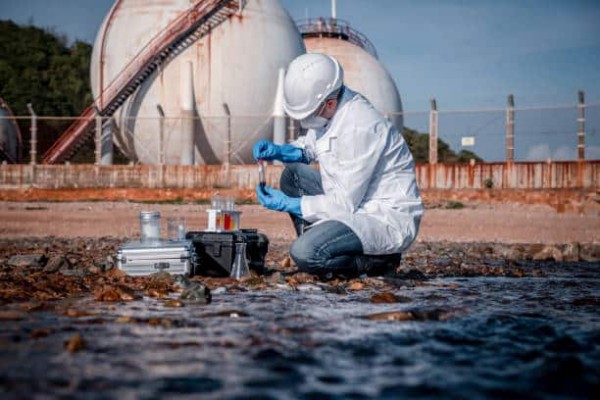
Produced water comprises a variety of pollutants that can impair equipment dependability, pipeline performance, and reservoir injectivity. The primary contaminants typically include:  l

  • Dispersed Oil: Residual oil droplets remaining in water after primary separation that need to be removed before discharge, reuse or reinjection.
  • Suspended Solids: Sand, corrosion products, scale particles, and reservoir fines can plug filters, restrict pipeline flow, and contribute to formation damage.
  • Dissolved Salts: High levels of chlorides and other dissolved minerals can increase the risk of corrosion in production and injection systems.l
  • Scale-Forming Ions: Calcium, barium, and strontium may precipitate and form deposits in pipelines and injection wells.
  • Dissolved Gases: Hydrogen sulfide (H2S) and carbon dioxide (CO2), which can accelerate corrosion and impact material selection.
What Contaminants Are Found in Produced Water

Why Does Produced Water Require Treatment?

Produced water needs to be treated before discharge or reinjection to meet environmental requirements, protect production equipment, and maintain stable injection performance.

Environmental Compliance

Before discharge, produced water must meet limits for oil content, suspended solids, and other regulated parameters. This is particularly important for offshore operations, where discharge requirements vary by region and untreated water can have a greater environmental impact.

Equipment Protection

Residual oil and suspended solids can foul, corrode, or clog pumps, heat exchangers, pipelines, control valves, and injection systems. Effective filtration helps remove these contaminants and reduce maintenance issues.

Reservoir Protection

For water reinjection, water quality directly affects injection performance. Fine particles and other impurities can enter reservoir pores, causing formation plugging, higher injection pressure, and reduced injectivity. Proper filtration provides a critical protection step before water is returned to the reservoir.

How Is Produced Water Treated

How Is Produced Water Treated?

Produced water treatment is not a single-step process. Because produced water contains oil, suspended particles, salts and other impurities, oil and gas operators often use a combination of treatment technologies to achieve the requisite water quality for discharge, reuse or reinjection.

A typical produced water treatment process consists of several steps:

1.Primary Separation

The first step separates free oil, gas and larger solid particles by means of equipment such as separators or API tanks.

2.Oil Removal

Smaller oil droplets that remain after primary separation are usually separated by hydrocyclones and flotation devices.

3.Filtration

Filtration removes suspended solids and fine particles from produced water. Common options include walnut shell filters, automatic self-cleaning filters, and cartridge filters, depending on the required water quality.

4.Polishing Filtration

Polishing filtration removes residual impurities before discharge or reinjection. High-flow filter cartridges are used when the system requires high flow rates and consistent particle removal.

Multiple treatment stages help achieve the required water quality while protecting downstream equipment and maintaining reliable reinjection performance.

Why Is Reinjection Becoming More Popular?

More oil and gas operators are reinjecting treated produced water into reservoirs instead of treating it only as a waste stream. Reusing the water helps maintain reservoir pressure, support oil recovery, and reduce the need for freshwater.

Reinjection also reduces the amount of produced water that needs to be disposed of and supports environmental sustainability goals. With regulations tightening and water availability becoming an increasing issue, the practice of reinjection is becoming more and more crucial for oilfield operations, both onshore and offshore.

The Role of Filtration in Produced Water Reinjection

To achieve project-specific water quality criteria, produced water must be treated to control suspended solids and other contaminants before reinjection into oil reservoirs. Efficient filtration avoids formation clogging, protects the injection equipment and ensures stable injection performance.

Two technologies for filtration are usually utilized in produced water reinjection systems:

High Flow Filter Cartridges

Final polishing step before reinjection is often performed with high flow Filter Cartridges. They provide higher dirt-holding capacity, fewer cartridge change-outs and a smaller filter footprint than traditional cartridge systems, helping to reduce maintenance requirements.

Automatic Self-Cleaning Filters

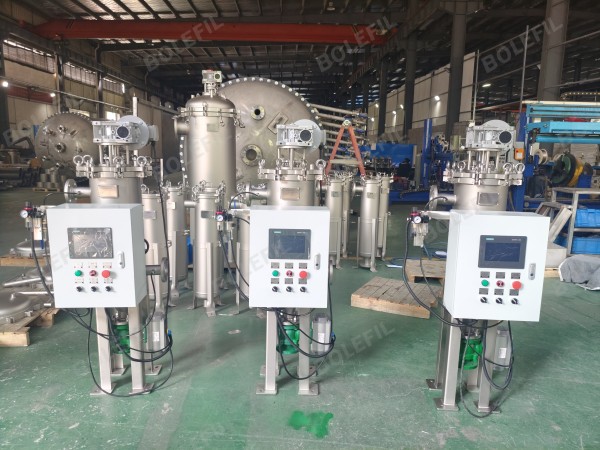
Automatic self-cleaning filters are normally mounted upstream to protect downstream filter equipment by continuously removing bigger particles. With their automatic backwashing capability, they operate continuously and their performance is stable with changing solids loading.

Many operators combine self-cleaning filters with high flow cartridge filtration to provide reliable water quality, safeguard injection systems and increase overall operating efficiency.

self cleaning filter manufacturer

Conclusion

Produced water management has become a critical part of modern oil and gas production.

As water production increases throughout the life of an oilfield, operators face growing challenges related to treatment costs, environmental compliance, and reservoir protection.

Understanding the characteristics of produced water is the first step toward selecting an effective treatment strategy. Proper filtering is a vital element in safeguarding injection wells, preserving injectivity and reducing long-term operating costs of reinjection systems.

relevant products

Subscribe to our blog newsletter

Get the best, coolest and latest delivered to your inbox each week

[newsletter_form]

Have Questions?