How Is Produced Water Treated?
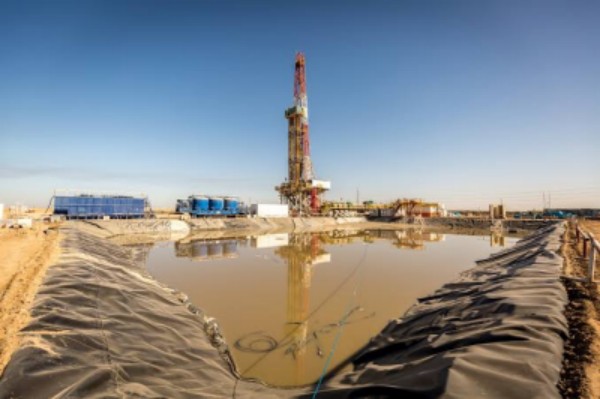
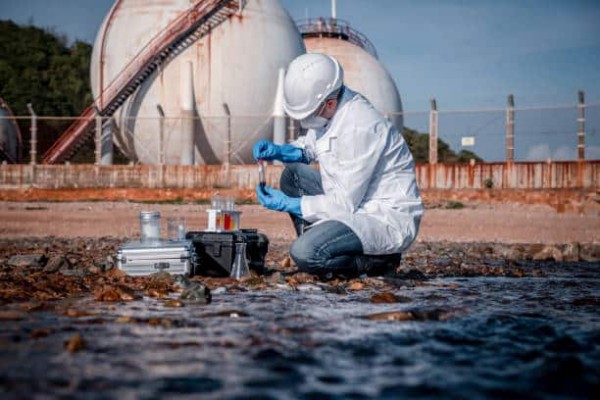
Produced water treatment is not a single-step process. Because produced water contains oil, suspended particles, salts and other impurities, oil and gas operators often use a combination of treatment technologies to achieve the requisite water quality for discharge, reuse or reinjection.
A typical produced water treatment process consists of several steps:
1.Primary Separation
The first step separates free oil, gas and larger solid particles by means of equipment such as separators or API tanks.
2.Oil Removal
Smaller oil droplets that remain after primary separation are usually separated by hydrocyclones and flotation devices.
3.Filtration
Filtration removes suspended solids and fine particles from produced water. Common options include walnut shell filters, automatic self-cleaning filters, and cartridge filters, depending on the required water quality.
4.Polishing Filtration
Polishing filtration removes residual impurities before discharge or reinjection. High-flow filter cartridges are used when the system requires high flow rates and consistent particle removal.
Multiple treatment stages help achieve the required water quality while protecting downstream equipment and maintaining reliable reinjection performance.
Why Is Reinjection Becoming More Popular?
More oil and gas operators are reinjecting treated produced water into reservoirs instead of treating it only as a waste stream. Reusing the water helps maintain reservoir pressure, support oil recovery, and reduce the need for freshwater.
Reinjection also reduces the amount of produced water that needs to be disposed of and supports environmental sustainability goals. With regulations tightening and water availability becoming an increasing issue, the practice of reinjection is becoming more and more crucial for oilfield operations, both onshore and offshore.
The Role of Filtration in Produced Water Reinjection
To achieve project-specific water quality criteria, produced water must be treated to control suspended solids and other contaminants before reinjection into oil reservoirs. Efficient filtration avoids formation clogging, protects the injection equipment and ensures stable injection performance.
Two technologies for filtration are usually utilized in produced water reinjection systems:
High Flow Filter Cartridges
Final polishing step before reinjection is often performed with high flow Filter Cartridges. They provide higher dirt-holding capacity, fewer cartridge change-outs and a smaller filter footprint than traditional cartridge systems, helping to reduce maintenance requirements.
Automatic Self-Cleaning Filters
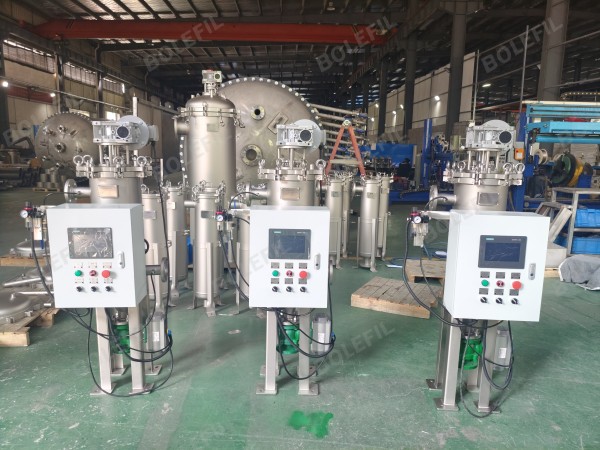
Automatic self-cleaning filters are normally mounted upstream to protect downstream filter equipment by continuously removing bigger particles. With their automatic backwashing capability, they operate continuously and their performance is stable with changing solids loading.
Many operators combine self-cleaning filters with high flow cartridge filtration to provide reliable water quality, safeguard injection systems and increase overall operating efficiency.