...
Knowledge

Water is not a background utility in biopharmaceutical manufacturing. It is an active part of your product. It touches your ingredients, your equipment, and your final formulations at every stage. For injectable drugs and parenteral products, it goes directly into patients. That means the quality of your water is not a technical detail. It is a patient safety responsibility.

Most biopharmaceutical facilities do not struggle with knowing that water quality matters. The real challenge is maintaining consistent, validated purity across every production cycle, every shift, and every regulatory audit. Because when water quality slips, even slightly, the consequences move fast. Contaminated batches, failed inspections, production shutdowns, and costly investigations are not rare edge cases. They are exactly what happens when water treatment systems are not built and maintained to the standard biopharmaceutical manufacturing actually demands.

This article walks you through how pharmaceutical water filtration works, the water grades your facility needs, the technologies involved at each stage, and what it takes to keep your system clean, compliant, and reliable when it matters most.

Water Filtration for Biopharmaceutical Industry

Pharmaceutical Water Filtration

Pharmaceutical water filtration refers to the different types of filtration technologies involved in various aspects of the pharmaceutical industry. Its main function is to purify or separate substances. These filtration systems are used at various stages in the pharmaceutical industry, and the use at each stage depends on the size of the substance to be filtered and the properties of the different components of the mixture.

Several common pharmaceutical water filtration systems include surface filtration, ultrafiltration, and depth filtration. The filtration process can be categorized into five key stages:

  • Pre-Filtration: This initial stage in the filtration process is essential for the removal of larger debris. Pre-filtration effectively minimizes the burden on subsequent filters, thereby enhancing the overall efficiency of the filtration process.
  • Clarification: With pre-filtration having already reduced mostly solid particles, the current stage eliminates cell debris and other large cellular materials from the liquid.
  • Bioburden Reduction: During this stage of filtration, the aim is to decrease the presence of microbes, including bacteria and viruses. This is achieved by using ultrafilters or bioburden membrane pleated filters, which effectively eliminate the microbes.
  • Sterilizing Filtration: The final stage of the filtration process is utilized in various scenarios, including fluid sterilization through filtration or during fill-and-finish operations.
  • Nonfiltration Separation: This stage of filtration holds significant importance as it efficiently reduces or eliminates contaminants and undesired substances, leading to a cleaner and higher-quality end product.
Pharmaceutical Water Filtration

How do biopharmaceutical water treatment systems work?

Most contamination problems in biopharmaceutical manufacturing do not come from a single failure. They come from gaps between stages where one part of the process does not connect properly with the next. That is exactly why biopharmaceutical water treatment is built as a layered system where each stage has a specific job and every stage depends on the one before it working correctly.

Stage 1.  Pretreatment

This is where the bulk work happens before any serious purification begins. Multimedia filters remove sediment and suspended particles from the incoming water supply. Activated carbon filters strip out chlorine, chloramines, and organic compounds that would otherwise damage the membranes in later stages. Water softeners handle hardness minerals like calcium and magnesium that cause scaling and reduce the efficiency of your entire system over time. If your pretreatment is weak, every stage that follows pays the price.

Stage 2. Reverse Osmosis

Once pretreatment is complete, reverse osmosis takes over. This stage pushes water through semi permeable membranes under pressure, removing dissolved salts, heavy metals, organic compounds, and microorganisms at a molecular level. A single pass RO system removes the majority of contaminants. Many biopharmaceutical facilities run double pass RO for even higher purity output before moving to the next stage.

Stage 3. Electrodeionization (EDI)

Electrodeionization follows reverse osmosis to remove the remaining dissolved ions that RO alone cannot fully eliminate. It uses electrically active membranes and ion exchange resins to continuously polish the water without the need for chemical regeneration. This stage is what takes your water from very clean to consistently ultra pure in a way that holds steady over time.

Stage 4. Ultrafiltration

At this point the water is chemically very pure but ultrafiltration adds biological protection. It removes endotoxins, pyrogens, viruses, and any remaining colloidal materials that have made it through the earlier stages. For biopharmaceutical applications where Water for Injection is required, this stage is not optional. Endotoxins in injectable products cause severe patient reactions and no amount of downstream processing fixes that problem once it occurs.

Stage 5. UV Sterilization

UV sterilization runs continuously through the distribution loop to prevent microbial regrowth inside the system itself. Bacteria do not just enter water treatment systems from the source. They grow inside distribution pipework, storage tanks, and connection points if the system is not actively controlled. UV sterilization at this stage keeps your entire loop biologically clean between production cycles.

Stage 6. Final Membrane Filtration

The last stage before water enters your production process is a sterilizing grade membrane filter, typically rated at 0.2 microns. This is your final checkpoint. It catches anything that has survived or entered the system after the earlier stages and ensures the water reaching your manufacturing process meets the exact purity standard your product requires.

Filter Types for the Pharmaceutical Industry

The pharmaceutical industry relies on a diverse array of filter types to ensure the quality and safety of its products. Selecting a filter involves considering various factors, particularly within the pharmaceutical sector. Different filters offer unique pros and cons, underscoring the importance of understanding their mechanisms before making a choice.

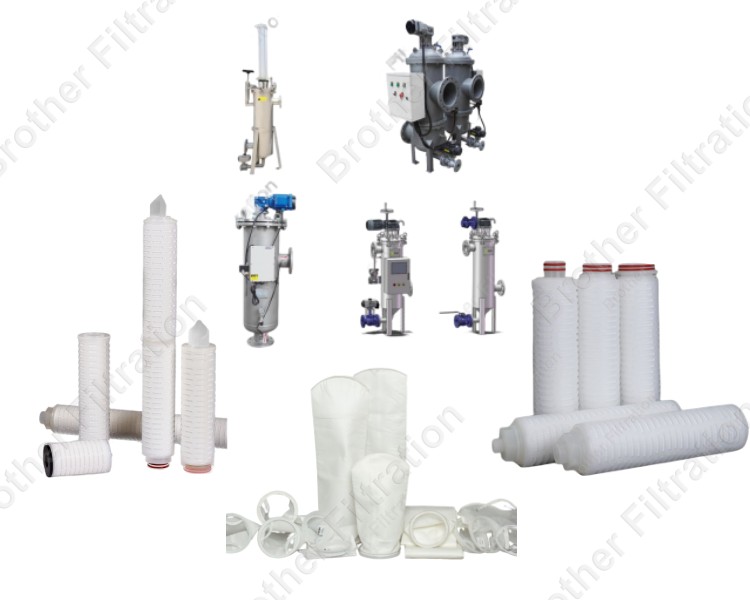
Depth Filter

Depth filters are commonly used for their ability to effectively remove particles and colloidal materials from various pharmaceutical fluids. Their capacity for high throughputs and their cost-effectiveness make them a popular choice.

Nanofiltration Membrane

Nanofiltration membranes utilize their intricate structure to separate contaminants at a molecular level. By allowing only water molecules to pass through, they ensure the purity and safety of the filtered substances.

Bag Filter

Bag filters are another essential component in pharmaceutical filtration, as they efficiently capture solid particles and impurities during the manufacturing process. Their versatility and ease of use make them a reliable option for many pharmaceutical applications.

Cartridge Filter

Cartridge filters are larger-scale filters used for the removal of particles, microorganisms, and other contaminants from liquids. They are typically used in the pharmaceutical industry for the filtration of large volumes of liquids during various stages of drug manufacturing.

Self-cleaning Filter

Self-cleaning filters offer automated maintenance capabilities, removing trapped particles at regular intervals without requiring manual intervention. This feature significantly reduces downtime and ensures consistent filtration efficiency.

Membrane Pleated Filter

Membrane pleated filters leverage their pleated membrane structure to effectively separate particles and microorganisms from liquids. Their high level of filtration efficiency and adaptability to various pharmaceutical applications make them a valuable asset in the industry.


Filter Types for the Pharmaceutical Industry

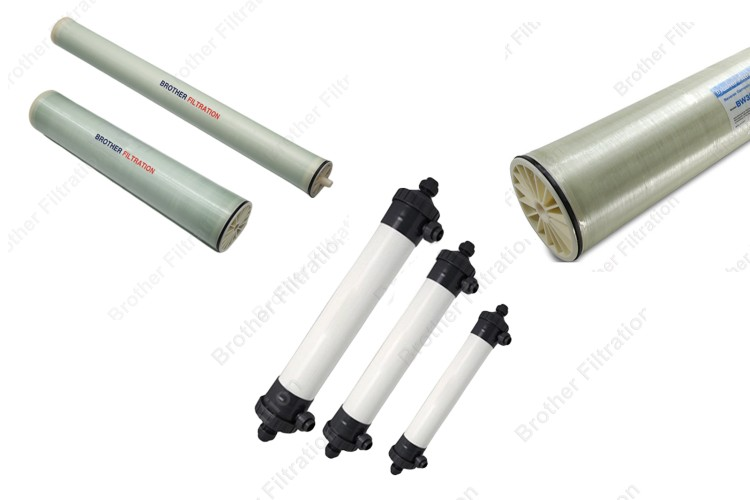
Filter Membranes

In biopharmaceutical applications, filter membranes, including those used in reverse osmosis, ultrafiltration, and nanofiltration, serve as critical components in ensuring the purity and safety of pharmaceutical products.

Reverse osmosis membranes enable the removal of a wide range of impurities, including ions, particles, and organic compounds, thereby producing high-quality water for various pharmaceutical processes.

Ultrafiltration membranes are instrumental in separating macromolecules and colloidal materials from solutions, ensuring the effective removal of contaminants and facilitating the concentration and purification of pharmaceutical substances.

Nanofiltration membranes, with their precise pore sizes, effectively remove multivalent ions, organic compounds, and microorganisms, contributing to the production of purified water for biopharmaceutical applications. These membrane technologies collectively play a vital role in maintaining the integrity and quality of biopharmaceutical products throughout the manufacturing process.

Filter Membranes

Comparison of two types of water in biopharmaceutical applications

In biopharmaceutical applications, the choice of water quality significantly impacts product safety and efficacy. Comparing two common types:

Purified Water: Suitable for various pharmaceutical operations, it undergoes multi-step purification, ensuring the removal of impurities, microorganisms, and dissolved solids. Used in manufacturing processes, its high quality is crucial for product integrity.

Water for Injection (WFI): Meeting the strictest pharmacopeia standards, it is highly purified and free of impurities and microorganisms. Essential for critical applications, particularly parenteral formulations, ensuring patient safety and product efficacy.

Filtration plays a vital role in maintaining the purity of water in biopharmaceutical applications. Through filtration systems effectively remove contaminants, microorganisms, and endotoxins, ensuring the production of high-quality water for various biopharmaceutical processes. Filtration also safeguards against potential contamination, upholding the integrity and safety of pharmaceutical products.

types of water in biopharmaceutical applications

Why Water filtration can Ensure high standards in the biopharmaceutical industry

Water filtration plays a crucial role in maintaining high standards in the biopharmaceutical industry for several reasons:

Purity and Safety

Filtration processes effectively remove impurities, contaminants, microorganisms, and endotoxins from water, ensuring its purity and safety for use in various pharmaceutical applications.

Compliance with Regulations

By implementing robust filtration systems, pharmaceutical companies can adhere to stringent regulatory standards and guidelines, ensuring that the water used in manufacturing processes meets the required quality specifications.

Prevention of Contamination

Water filtration prevents the introduction of contaminants that could compromise the integrity of pharmaceutical products during manufacturing, thereby reducing the risk of product recalls, ensuring product consistency, and maintaining the safety and efficacy of pharmaceuticals.

Protection of Patients

High-quality water is critical in the production of parenteral formulations and other critical pharmaceutical products. Filtration processes ensure that the water used in these applications is free from impurities, microorganisms, and endotoxins, safeguarding the health and well-being of patients who rely on these medications.

Process Efficiency and Cost-Effectiveness

Implementing efficient water filtration systems optimizes manufacturing processes, reduces the need for rework, and enhances overall production efficiency, thereby contributing to cost savings and ensuring the timely delivery of high-quality pharmaceutical products to the market.

filtration can Ensure high standards in biopharmaceutical

How Brother filtration serves the biopharmaceutical industry?

Brother Filtration provide high-quality filters designed for sterilization and purification processes, ensuring the removal of contaminants and microorganisms from critical pharmaceutical solutions. Additionally, we offer customized filtration solutions, working closely with biopharmaceutical companies to develop tailored approaches that optimize efficiency and adhere to regulatory standards.

Through our technical expertise, support, and commitment to innovation, Brother Filtration contributes significantly to the biopharmaceutical sector’s efforts to maintain high product standards and ensure the safety and efficacy of pharmaceutical products.

Brother filtration serves biopharmaceutical applications

What is the difference between pharmaceutical and biopharmaceutical manufacturing?


Pharmaceutical Manufacturing Biopharmaceutical Manufacturing
What it involves Chemically synthesized drugs and compounds Living organisms, proteins, and biological compounds
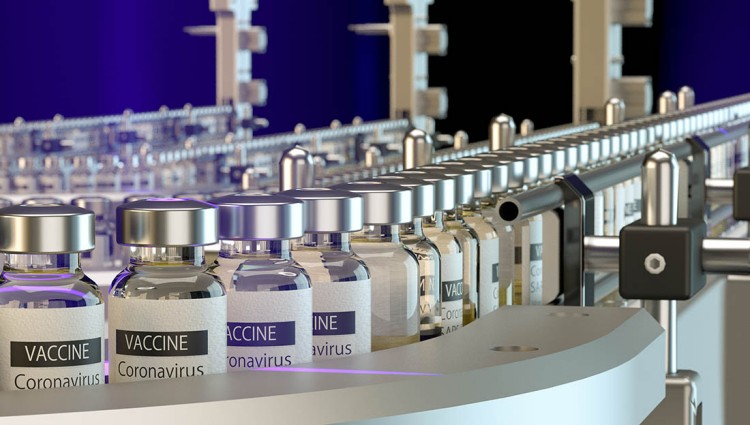
Examples Tablets, capsules, topical formulations Vaccines, monoclonal antibodies, cell therapies
How water is used Mixing, cleaning, and rinsing equipment Cell culture, fermentation, sterile cleaning, injectable production
Sensitivity to impurities Moderate — synthetic chemicals are more stable Extremely high — biological materials react to even trace impurities
Water purity requirements Strict but manageable with standard purification Among the strictest in any industry
Filtration complexity Standard multi stage filtration Advanced layered systems including ultrafiltration and WFI grade treatment
Consequences of contamination Product failure, compliance issues, recalls Immediate patient safety risk, batch loss, regulatory investigation
Water grades typically used Purified Water for most processes Purified Water and Water for Injection for critical applications

Conclusion

In the biopharmaceutical industry, water filtration stands as a crucial pillar in ensuring the safety and quality of pharmaceutical products. With the ever-present need to adhere to regulatory guidelines and the ongoing advancements in filtration processes, water filtration is always a key aspect of biopharmaceutical manufacturing processes.

With years of water filtration experience in biopharmaceuticals, we have solved many different cases in this industry and can provide you best water filtration for your biopharmaceutical needs. Want to improve your biopharmaceutical process, do not hesitate to contact us!

Frequently Asked Questions (FAQs)

What water quality standards must pharmaceutical companies meet?

Your products will fail inspections if your water does not meet FDA, USP, GMP, and European Pharmacopoeia standards. These regulations control microbial contamination, endotoxin levels, conductivity, TOC, dissolved solids, and particle contamination. For injectable drugs, even the smallest trace of contamination is enough to trigger product recalls, compliance failures, and serious risks to patient safety.

What is the difference between reverse osmosis and membrane filtration?

If you are relying on just one filtration method, you are leaving contamination risks in your process that will eventually catch up with you. Reverse osmosis is one layer within the broader category of membrane filtration, which also includes microfiltration, ultrafiltration, and nanofiltration. Each one targets different contaminants at different sizes. Running them together in a properly designed system is what actually protects your product quality consistently and keeps regulatory auditors satisfied.

Can water filtration systems remove bacteria and viruses?

Yes, and in pharmaceutical manufacturing they absolutely must. A single contamination event can shut down your entire production line, void full batches of product, and put you directly in front of a regulatory investigation. Modern systems combine microfiltration, ultrafiltration, reverse osmosis, and UV sterilization because no single stage catches everything on its own. Layered filtration is what gives you consistent, audit ready results every time.

Do biopharmaceutical facilities really need ultra pure water?

If your water is not ultra pure, your product is not either. Water comes into contact with your ingredients, your equipment, and your final product at every single stage of manufacturing. For vaccines, injectables, and cell culture processes, contaminated water leads directly to product instability, failed quality control, and expensive recalls. Purified Water and Water for Injection are not optional upgrades. They are what stands between your facility and a full compliance crisis.

How often should pharmaceutical water quality be tested?

Not testing continuously is a risk no pharmaceutical facility can afford to take. Conductivity, TOC, temperature, and flow rate should all be monitored in real time without interruption. Lab testing for bacteria, endotoxins, and dissolved solids also needs to happen on a consistent, scheduled basis. The stricter your product category, the tighter your monitoring program needs to be. Gaps in your testing schedule are exactly where contamination problems go undetected until serious damage is already done.

How do micron ratings affect filtration quality?

The wrong micron rating means the wrong level of protection for your process. A 5 micron filter handles sediment and larger particles while a 0.2 micron membrane is what blocks bacteria in sterilizing filtration applications. If your filter rating does not match the actual contamination risks of your specific process, you are either under filtering and creating safety risks or over filtering and killing your operational efficiency. Getting this right from the start prevents costly rework, product losses, and compliance gaps that are far more expensive to fix later.

Subscribe to our blog newsletter

Get the best, coolest and latest delivered to your inbox each week

Have Questions?

error: Content is protected !!