...
Knowledge

In industrial environments where critical equipment and components are in constant operation, maintaining their longevity and optimal performance is essential. The presence of contaminants, such as liquid aerosols and particulates, circulating in compressed air and gases, pose a significant threat to these sensitive systems. This is where the power of coalescing filters comes into play.

If used effectively, this element can effectively eliminate a wide range of liquid contaminants, including water and oil aerosols. This article will provide a comprehensive introduction to coalescing filters and their important functions.

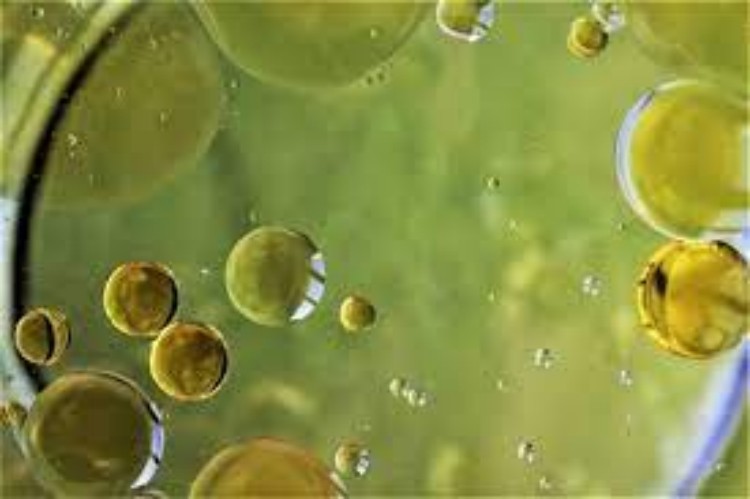
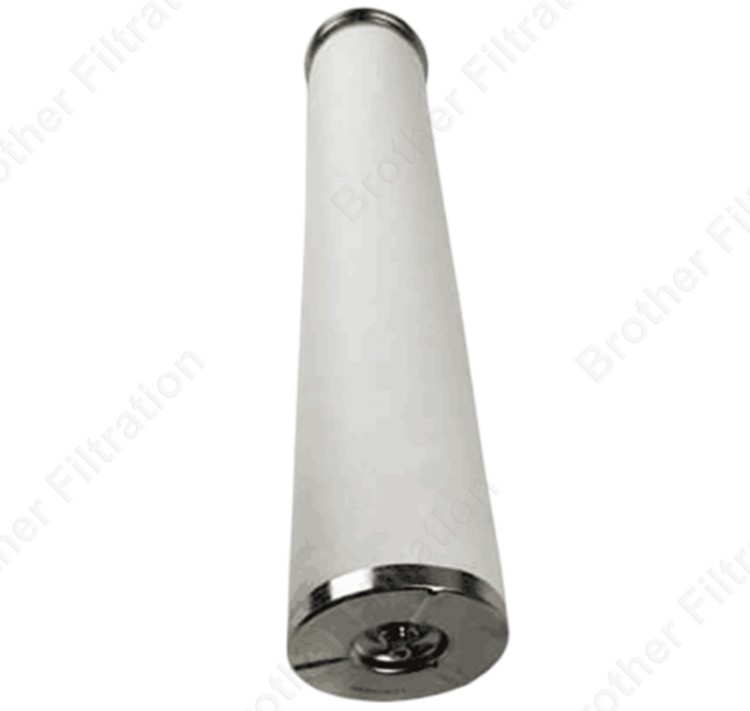
coalescing-filter is to facilitate the process of coalescence

Coalescing filter elements remove liquid aerosols, oil, and moisture from compressed air and gas systems, protecting downstream equipment and improving overall efficiency. They’re widely used in manufacturing, compressed air systems, and industrial processing. This guide covers how they work, their benefits, and how to choose and maintain the right filter for your application.

Key Takeaway:
Choose a coalescing filter element based on your system’s flow rate, contaminant type, and required efficiency level. Regular maintenance and timely replacement protect equipment, reduce downtime, and keep filtration performance consistent.

What is a Coalescing Filter?

A coalescing filter element is a component commonly referred to as a “coalescing filter,” although it does not function as a traditional filter. Unlike filter elements that physically trap and remove particles, the primary purpose of a coalescing filter element is to facilitate the process of coalescence.

In industrial settings, coalescing filters are used to remove oil, water, and particles from compressed air systems. The design of the coalescing filter element typically involves fine fiber meshes that intercept aerosol particles, allowing smaller particles to merge and form larger droplets. These larger droplets are then separated from the gas stream as they become too heavy to remain buoyant.

Three Types of Coalescing Filter Cartridge

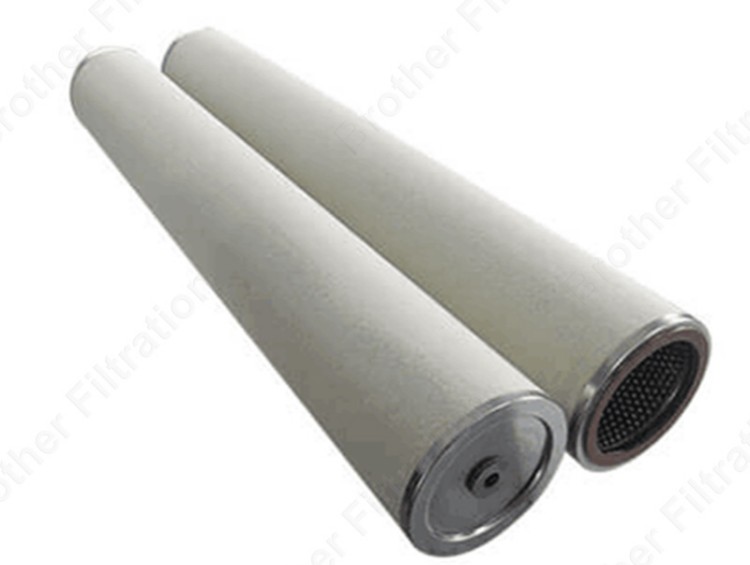
Types of Coalescing Filter Cartridge

Brother Filtration Coalescer Cartridge series is competitive and useful. This series can fulfill all kinds of needs in oil, water and other fluids, removing particles in liquids and liquids from gas, and separating particles from liquids and gas.

Liquid–Liquid:

CLL 1.0 coalescer cartridges find application across diverse liquid/liquid separation processes in industries such as chemicals, flavor and fragrance, and biotechnology. Featuring a tapered layer pore construction, this cartridge ensures efficient performance.

Upon entry into the cartridge from the inside, the emulsion undergoes a preliminary filtration step through a pre-filter, effectively removing coarse particles and thereby prolonging the cartridge’s service life. Subsequently, the liquid encounters a fine media layer, initiating the coalescence process to create larger droplets. a coarse media layer maximizes the coalesced droplet size, ultimately completing the coalescing process, and making the fluid exit the outer layer of the cartridge.

Liquid–Gas:

The CLG1.0 series element efficiently coalesces fine liquid particles (water, oil, hydrocarbon compounds) from natural gas. Its inside-to-outside flow pattern enhances performance. The C1.0 filter cartridge excels at filtering solid particles and liquid mists, reducing pressure differentials at high flow rates.

Superfine fibers inside the coalescer capture oil, water, and fluid particles. Microfiber guides airflow sinusoidally, causing collision between solid and mist particles. Surface tension facilitates coalescence, leading to larger particles that gravity pulls into the collecting reservoir. This design ensures effective separation of contaminants from the gas stream.

The CLG 2.0 Coalescer Filter Cartridge, designed with an inside-to-outside flow direction, effectively eliminates liquid and solid contaminants. It utilizes filter media like glass fiber, polyester, or polypropylene to meet diverse filtration needs. Large cartridges, customizable based on customer requirements, offer larger filtration surface area, improving various capabilities such as particle removal ratio and dirt-holding capacity.

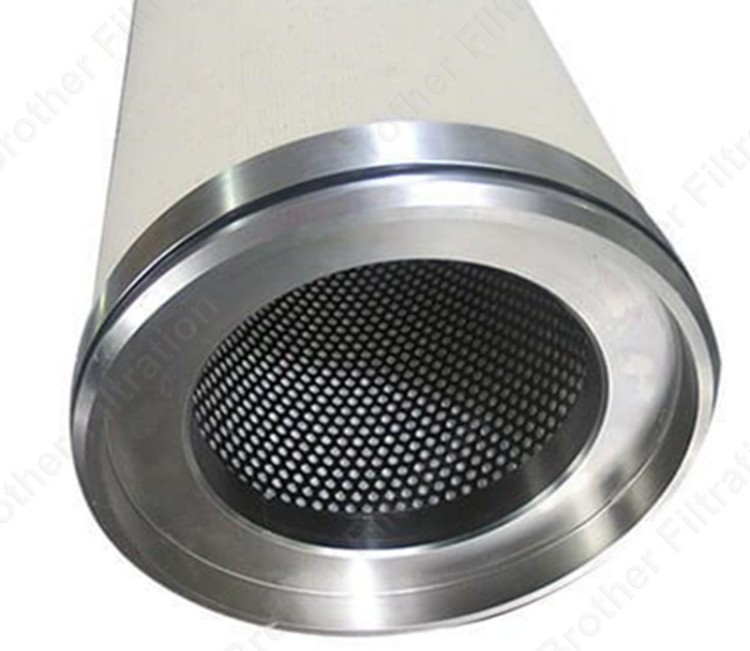
Coalescer Filter Cartridge

How does Coalescing Filter cartridge work?

A Coalescing Filter Cartridge operates based on the principle of coalescence, aiming to remove fine liquid droplets or aerosols from gas or liquid streams. Here’s a breakdown of how it works:

Step 1: Interception

As the contaminated gas or liquid flows through the filter cartridge, the coalescing filter element’s fibers intercept small droplets or particles present in the stream.

Step 2: Brownian Diffusion

Smaller particles that manage to pass through the interception phase are subjected to Brownian motion. This causes them to collide with the filter fibers, further slowing them down.

Step 3: Coalescence

The intercepted and diffused particles then coalesce or combine to form larger droplets. These larger droplets are easier to capture and remove from the gas or liquid stream.

Step 4: Filtration and Separation: The coalesced droplets are now large enough to be effectively filtered out by the media in the coalescing filter cartridge. The separated liquid is collected and drained away, leaving the purified gas or liquid to continue its intended process.

In essence, the coalescing filter cartridge ensures that even the smallest liquid droplets in a gas or liquid stream are captured, coalesced into larger droplets, and then efficiently removed, contributing to the overall cleanliness and efficiency of the system.

How does Coalescing Filter cartridge work

Benefits of Coalescing Filter Elements

Coalescing filter elements do more than just remove moisture they protect your entire system’s performance and lifespan. The right coalescing filter delivers measurable improvements across efficiency, cost, and equipment reliability.

Key benefits include:

  • Better filtration efficiency
  • Longer equipment lifespan
  • Reduced maintenance cost
  • Improved system performance

Improved Filtration Efficiency

Coalescing filters remove liquid aerosols and fine particulates down to submicron levels, far beyond what standard filtration can achieve. This level of efficiency keeps oil, water, and other contaminants out of downstream equipment, air tools, and instrumentation.

Cleaner air also means fewer product defects in applications like painting, food processing, or pharmaceutical manufacturing, where even trace contamination can compromise output quality.

Reduced Maintenance Cost

When compressed air or gas is properly filtered, downstream components experience far less wear from moisture, oil, and particulate buildup. This reduces the frequency of equipment repairs and unplanned downtime.

Over time, a well-maintained coalescing filter pays for itself by extending the life of valves, actuators, and pneumatic tools that would otherwise degrade faster from contaminated air exposure.

Coalescing Filter Element Comparison

Not all coalescing filters perform the same way, and choosing the wrong type can mean paying for efficiency you don’t need — or not getting enough for your application. The table below breaks down the most common options by efficiency, maintenance demand, and ideal use case.

Filter Type Efficiency Maintenance Best Use
Standard Coalescing 99% at 0.3 microns Moderate — replace every 3–6 months General compressed air systems
High-Efficiency Coalescing 99.9% at 0.01 microns Higher — more frequent monitoring Sensitive equipment, cleanroom air
Activated Carbon Coalescing 99% + odor/vapor removal Moderate Food-grade or oil-vapor-sensitive applications

If your system feeds sensitive instrumentation or cleanroom equipment, the extra maintenance demand of a high-efficiency filter is usually worth the investment. For general industrial air lines, a standard coalescing filter often covers the need without added cost.

How To Choose The Right Filter

Selecting the right coalescing filter comes down to matching the filter’s specifications to your system’s actual operating conditions — not just picking the highest efficiency rating available.

Consider these factors before choosing:

  1. Flow rate — Match the filter’s rated capacity to your system’s actual air or gas flow to avoid pressure drop and reduced efficiency.
  2. Contaminant type and size — Identify whether you’re dealing primarily with oil aerosols, water, or particulates, since some filters are optimized for specific contaminant profiles.
  3. System pressure — Confirm the filter is rated for your system’s operating pressure range.
  4. Required efficiency level — Sensitive applications (cleanrooms, pharmaceuticals, electronics) need higher micron ratings than general industrial use.
  5. Maintenance capacity — Higher-efficiency filters often need more frequent inspection, so factor in your team’s maintenance schedule and resources.

Maintenance Best Practices

Even the best coalescing filter loses efficiency without proper upkeep. Following a consistent maintenance routine keeps filtration performance steady and prevents avoidable downtime.

  1. Monitor pressure drop regularly a rising differential pressure signals the element is loading up with contaminants.
  2. Inspect for visible saturation or damage during scheduled system checks.
  3. Replace elements on the manufacturer’s recommended interval, typically every 6–12 months, rather than waiting for failure.
  4. Drain collection bowls or automatic drains routinely to prevent liquid carryover back into the airstream.
  5. Keep a maintenance log to track replacement dates, pressure readings, and any performance changes over time.

Application of Coalescing Filter element

Coalescing filter elements find diverse applications across various industries where the separation of liquid contaminants from gas or liquid streams is essential. Here are some common applications of coalescing filter elements:

Compressed Air Systems

Coalescing filter elements are widely used in compressed air systems to remove oil droplets and fine particles, ensuring the quality of the compressed air. They help prevent oil contamination that can potentially affect the performance and reliability of pneumatic equipment.

Gas and Liquid Filtration

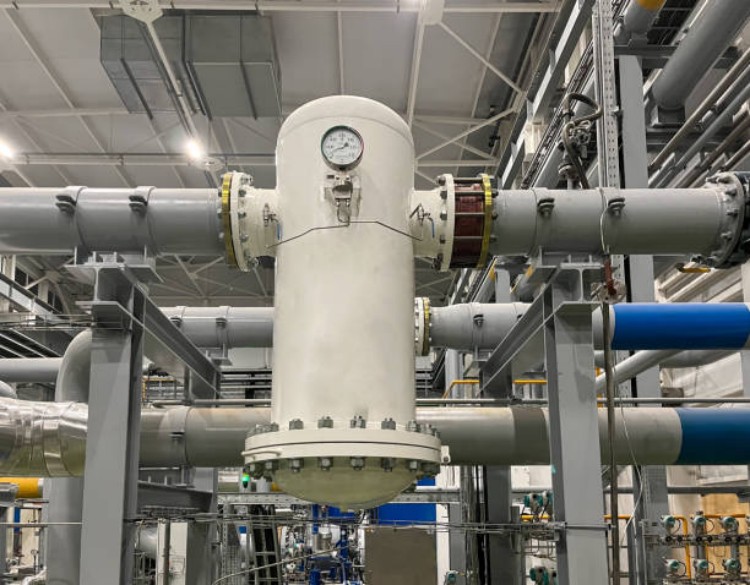
Coalescing filter elements are used in gas and liquid filtration processes to separate and remove liquid or gas impurities such as water, oil, sulfur, carbon dioxide, and methane. These impurities can be detrimental to the quality and efficiency of the process. Coalescing filters facilitate the coalescence process, allowing for the easy removal of these impurities.

Gas-and-Liquid-Filtration

Petrochemical Refining

Coalescing filter elements find applications in petrochemical refining processes, mainly for fuel filtering and oil purification. They help remove contaminants and particulates, ensuring the purity and quality of the refined products.

Food and Beverage Industry

In the food and beverage industry, coalescing filters are used for the separation of oils and fats from liquid products like cooking oil, beverages, and food processing fluids. They help maintain the desired quality and clarity of the final products.

Oil and Gas Industry

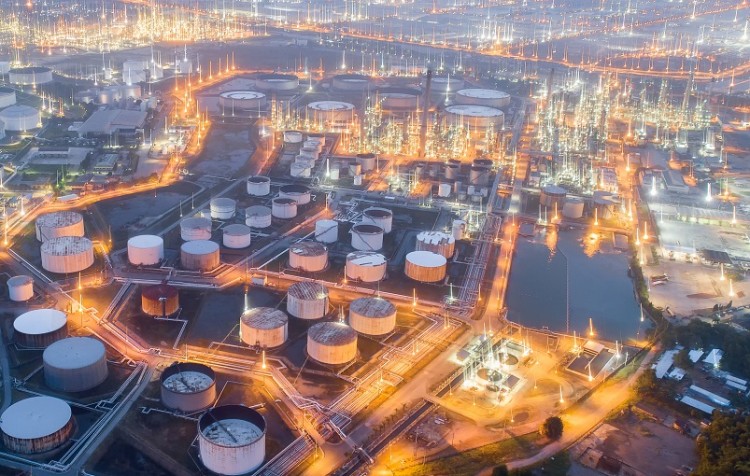
Coalescing Filter elements are instrumental for separating liquid droplets from natural gas streams. Deployed in critical processes, these filters safeguard downstream equipment, ensuring the integrity and quality of natural gas for various industrial applications.

Oil-and-Gas-Industry

The Importance of Coalescing Filtration in Industrial Processes

Coalescing filtration is used to separate liquids from gases, remove solid particles and contaminants, and ensure the smooth operation of industrial equipment. One key importance of coalescing filtration is the removal of liquid droplets from gases.

In industries such as oil and gas, power generation, and chemical manufacturing, gases often carry moisture and other liquid contaminants. Coalescing filters effectively trap these liquid droplets and prevent them from reaching downstream equipment, thereby protecting sensitive components and ensuring their optimal performance.

Moreover, By removing solid particles and contaminants from liquids and gases, coalescing filters help prevent clogging, corrosion, and erosion of equipment, reducing the risk of breakdowns and expensive repairs. This leads to increased efficiency, reduced downtime, and significant cost savings for industrial processes.

FAQ

What is a coalescing filter element?

A coalescing filter element removes liquid aerosols and contaminants from gases and compressed air systems, protecting downstream equipment and improving air quality.

How long does it last?

Most coalescing filter elements last 6–12 months under normal operating conditions, depending on contaminant load and system usage.

How often should it be replaced?

Replacement is typically recommended every 6–12 months, or sooner if pressure drop increases significantly or filtration efficiency declines.

Which industries use it?

Coalescing filters are widely used in manufacturing, compressed air systems, food and beverage processing, pharmaceuticals, and oil and gas industries.

What affects filtration efficiency?

Efficiency is affected by contaminant particle size, flow rate, filter media condition, and how well the system is maintained over time.

Conclusion

Coalescing filters are used in a variety of industries. Implementing these filters maintains the quality of liquids and gases. Coalescing filters also benefit industrial manufacturers by helping them extend the service life of their system machinery and reduce operating costs.

As your reliable filtration partner, Brother Filtration can provide professional filtration solutions based on your site. For additional details or to request a quote, feel free to reach out to us online today or email us at info@brotherfiltration.com to connect with a knowledgeable area engineer.

Subscribe to our blog newsletter

Get the best, coolest and latest delivered to your inbox each week

Have Questions?

error: Content is protected !!