...
Knowledge

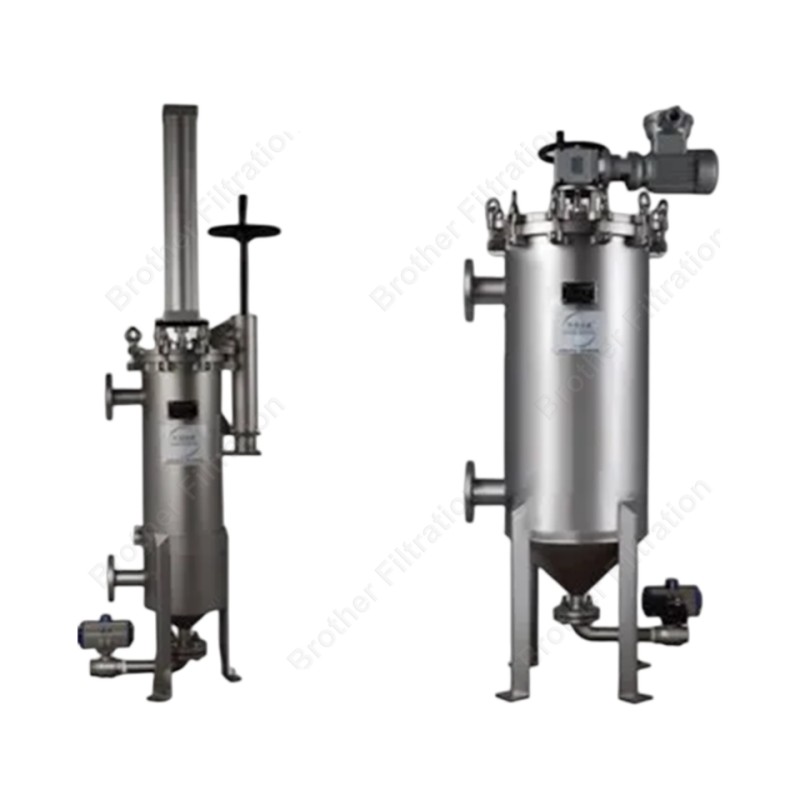
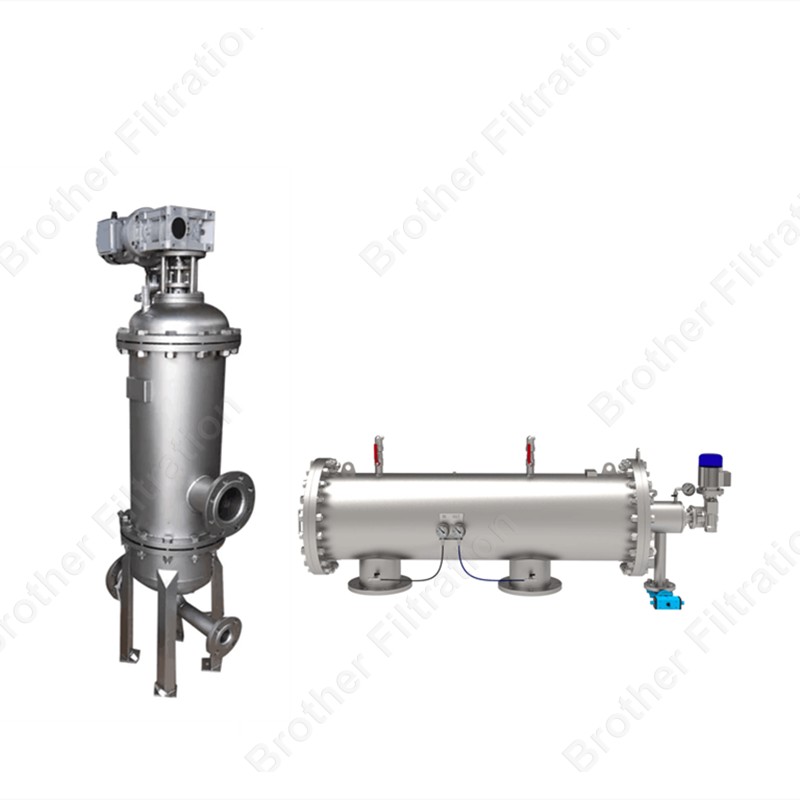
A self-cleaning filter clears debris from the filter element while the system keeps running. There’s no need to shut down or manually clean anything; the filter handles it during normal operation. Depending on the setup, it might use a backwash flush, a scraper mechanism, or a disc stack.

Each type works differently, but the end result is the same: consistent filtration without the maintenance headaches that come with standard cartridge or bag filters.

Understanding Self-Cleaning Filters

What are Self Cleaning Filters?

Self cleaning water filter system is a type of filtration system that utilizes various methods and techniques to remove particles and debris from the fluid being filtered. Unlike traditional filters that require manual intervention to clear accumulated contaminants, automatic self cleaning strainers can operate continuously without downtime or interruptions.

These filters use methods such as backwashing, mechanical scraping, and continuous flushing to remove trapped particles from the filter’s surface, ensuring maximum efficiency and prolonging the lifespan of the filter medium.

Automatic strainers can handle high volumes of contaminants and large flow rates, making them ideal for use in industrial settings where consistent and reliable filtration is necessary. automatic self cleaning strainer are also efficient in reducing maintenance costs and improving process efficiency, ultimately contributing to better productivity and cost savings.

What are Self Cleaning Filters?

How do Automatic Strainers Work?

Automatic strainers employ various cleaning mechanisms to remove collected contaminants and maintain optimal filtration efficiency. Here is an overview of the common working principles:

Backwashing

A backwash filter is one of the most common self-cleaning filter designs in industrial water treatment. It works by sending a short burst of filtered water backwards through the screen, knocking trapped solids loose and flushing them out to drain. The main flow keeps going the whole time. There’s no need to isolate the filter or bring someone in to clean it.

The backwash cycle usually triggers in one of two ways: either on a timer, or when the pressure drop across the filter element climbs past a set limit. Most modern systems let you configure both. This makes backwash filters well suited to applications where contamination levels aren’t constant, irrigation systems that run through seasons, cooling circuits that pick up more scale at certain times, that sort of thing.

They’re used in cooling water systems, municipal and industrial water treatment, pre-RO filtration, and large-scale irrigation, anywhere you need consistent filtration across high flow rates without a maintenance crew on standby.

How do Automatic Strainers Work?

Mechanical Scraping

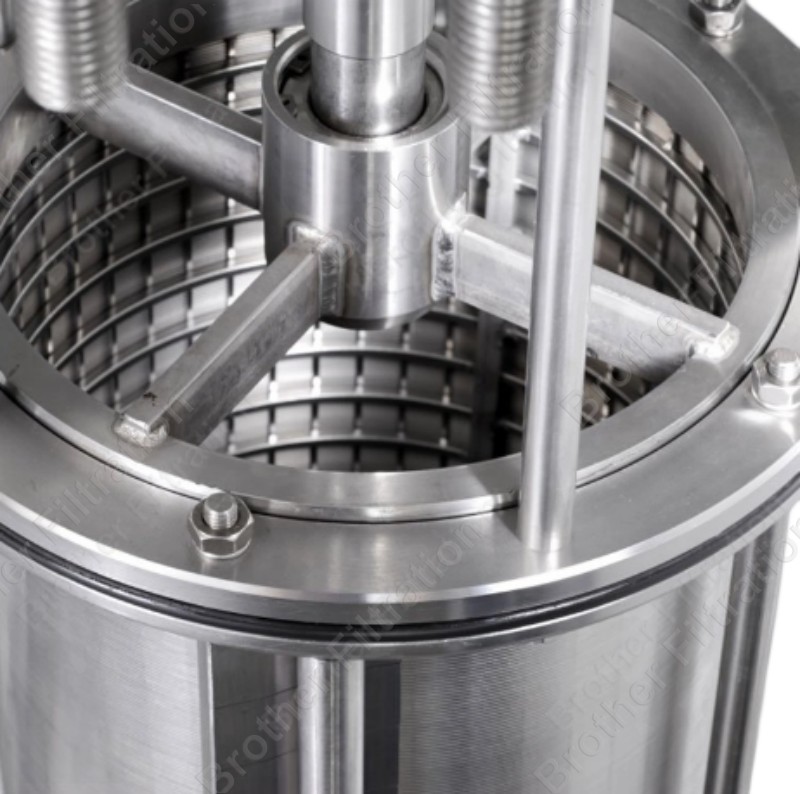
Some self cleaning strainer use rotating or reciprocating blades to physically scrape off accumulated debris from the filter surface. The removed particles are then flushed out through an outlet or a dedicated discharge system.

By incorporating this method into self cleaning filters, it enhances their efficiency and prolongs the lifespan of the filter medium, providing a reliable solution for maintaining optimal performance in various filtration applications.

Continuous Flushing

In continuous flushing self cleaning strainer, a bypass stream is created to continuously sweep and carry away contaminants from the filter element while the main fluid stream passes through. This flushing process ensures constant cleaning and prevents excessive build-up.

By implementing continuous flushing, the filter can effectively remove and dispose of particles, debris, and other impurities, promoting uninterrupted filtration and preventing clogging.

Ultrasonic Cleaning

Certain self cleaning filters utilize ultrasonic waves to disrupt and dislodge particles adhering to the filter media. Ultrasonic transducers emit high-frequency vibrations, causing the contaminants to detach and be carried away by the fluid flow.

Ultrasonic cleaning is particularly beneficial for applications with high levels of contamination, where traditional cleaning methods may not be sufficient to achieve the required degree of cleanliness.

Types of Self-Cleaning Filters

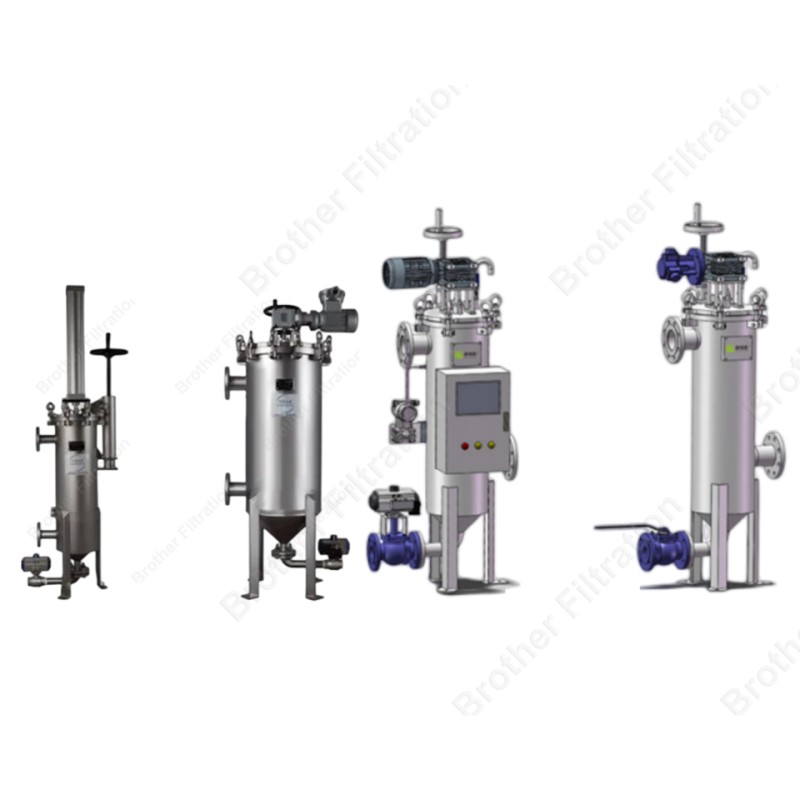
Not all self-cleaning filters work the same way. The right choice depends on what you’re filtering, how fast the water flows, and how much solid material builds up in your process. Here’s a breakdown of the four main types and where each one fits best.

Filter Type How It Cleans Best For Typical Flow Range
Screen / Backwash Filter Reverse-flow burst pushes trapped solids off the screen and out to drain Cooling towers, irrigation, process water, pre-RO systems Up to 3,600 m³/hr
Disc Filter Disc stack loosens, spins, and flushes — solids go straight to drain Wastewater reuse, micro-irrigation, pre-filtration Up to 1,200 m³/hr
Scraper / Brush Filter Rotating brush or blade scrapes the element surface while the filter stays online Viscous fluids, polymer-heavy water, slurry applications Up to 800 m³/hr
Magnetic Self-Cleaning Filter Magnetic rod pulls in ferrous particles; rod is wiped or flushed automatically Hydraulic systems, coolant circuits, machining fluid management Up to 600 m³/hr

All four types share the same core advantage over standard filters: you don’t need to stop the line to service them. The cleaning happens automatically, on a schedule or when the pressure drop tells the system it’s time.

Benefits of a Self-Cleaning Filter

Self cleaning filters offer several advantages over traditional filters

Reduced Maintenance

By automating the cleaning process, filter self cleaning minimize manual intervention and associated maintenance costs, reducing downtime for cleaning or filter replacements.

Continuous Filtration

Self cleaning water filter enable uninterrupted filtration, ensuring a steady flow of purified fluids and avoiding process interruptions. This is crucial in applications where a consistent flow is vital.

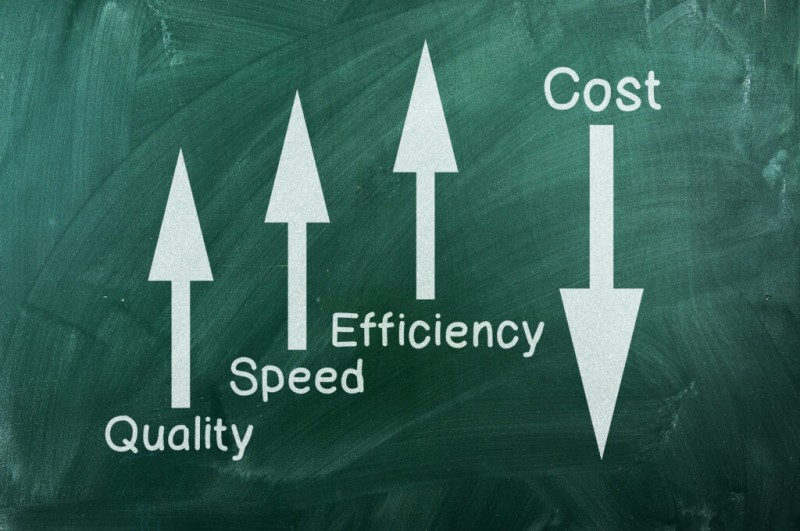
Improved Efficiency and Cost-Savings

The ability to maintain optimal filtration performance for extended periods results in improved efficiency and reduces the need for frequent filter replacements. This translates to significant cost savings in terms of filter elements, labor, and disposal.

Self Cleaning Filter--Improved Efficiency and Cost-Savings:

Enhanced System Reliability

With their self-maintaining properties, these filters ensure consistent removal of contaminants, preventing clogging and extending the lifespan of downstream equipment. This enhances the overall reliability of the filtration system.

When to Use a Self-Cleaning Filter

Here are the clear steps to use the self-cleaning filter:

Your process runs continuously and can’t afford stoppages

If your system runs 24 hours a day, water treatment, power generation, industrial cooling, stopping to service a filter isn’t really an option. Self-cleaning filters deal with maintenance themselves. You don’t have to schedule around them or pull operators off other jobs to do it.

You’re changing cartridge or bag filters more than once a day

Frequent change-outs add up fast, consumable cost, labour cost, and a contamination risk every time you crack the housing open. If you’re doing that daily, the volume of solids in your stream has outgrown what a manual filter can handle. Switching to a self-cleaning design removes all three costs at once.

Downtime carries a compliance cost, not just a production cost

In food, pharma, and chemical manufacturing, stopping to clean a filter means logging it, validating the restart, and potentially holding a batch. Self-cleaning disc and scraper filters are built to run for extended periods without operator input. Service intervals are typically measured in years, not shifts, which matters a lot when every planned stop needs paperwork to go with it.

Selecting the right self cleaning strainers requires careful consideration of several factors

Firstly, it is important to assess the specific filtration requirements and identify the type of contaminants or particles that need to be removed from the process fluid. This will help determine the appropriate filtration size and design.

Secondly, evaluating the flow rate and pressure of the application is critical. The strainer’s maximum pressure rating should align with the system requirements to ensure optimal performance and safety.

Another factor to consider is the desired filtration efficiency. This will depend on the level of purity required for the process fluid and the industry standards that need to be met.

The self cleaning mechanism should also be evaluated. Different strainers use different methods such as backwashing, mechanical scraping, or ultrasonic cleaning. Choose the mechanism that best suits the application and ensures thorough and efficient cleaning.

Material compatibility is another important consideration. The strainer materials should be compatible with the process fluid to avoid corrosion or contamination issues.


self cleaning strainers

Conclusion

Self-cleaning filters provide an innovative solution to streamline filtration processes in various industries. By automating the cleaning mechanism, these filters offer reduced maintenance, continuous filtration, improved efficiency, and enhanced system reliability. Embracing self-cleaning filters can lead to increased productivity, cost savings, and a more sustainable filtration process.

With extensive experience in filtration, Brother Filtration is a reputable manufacturer specializing in a wide range of filter products designed to meet diverse filtration needs. Whether you require self-cleaning filters or other types of filtration solutions, we have the expertise to deliver. If you have any further questions or need assistance with self-cleaning filters, please do not hesitate to reach out to us.

Common Questions About Self-Cleaning Filter

1. What is a self-cleaning filter?

A self-cleaning filter removes debris from the filter element while the system keeps running — no shutdown or manual cleaning needed. Types include backwash, scraper, and disc filters, each suited to different flow rates and contamination levels.

2. What is a backwash filter?

A backwash filter sends a short burst of filtered water back through the screen to knock trapped solids loose and flush them to drain. The main flow keeps running during the process. It triggers on a timer or when pressure drop reaches a set limit.

3.What types of self-cleaning filters are available?

The four main types are: screen/backwash filters (reverse-flow flush), disc filters (spin-and-flush mechanism), scraper filters (rotating brush or blade), and magnetic self-cleaning filters (magnetic rod with auto-wipe). Each suits different fluid types and flow rates.

4.When should I use a self-cleaning filter?

Use a self-cleaning filter when your process can’t afford to stop for maintenance, when you’re changing manual filters more than once a day, or when planned downtime carries compliance costs alongside production ones.

Subscribe to our blog newsletter

Get the best, coolest and latest delivered to your inbox each week

Have Questions?