...
Knowledge

Water quality in food and beverage production isn’t just a taste issue; it’s a compliance issue, a product consistency issue, and in some cases, a food safety issue. The water going into your product, your cleaning cycles, and your steam or cooling systems all need to meet specific standards. Those standards vary by product type, and the filtration equipment that meets them varies too.

This page covers what water quality requirements look like across the main food and beverage sectors, and which filtration systems are used to meet them.

water filtration in the food and beverage industry

In this blog, we will dive deeper into the significance of filter cartridges and how they contribute to water filtration in the food and beverage industry.

The importance of water filtration in the food and beverage industry

The purified water for use in food processing relies heavily on filtration. Membrane and depth filters are essential to guaranteeing contaminant removal, whether the process is a straightforward one-step procedure or a multi-step procedure involving different separation technologies.

Proper water filtration ensures the removal of impurities such as sediment, chlorine, bacteria, and other contaminants that can compromise the quality and safety of the final product. Filter cartridges play a vital role in this process by effectively capturing and removing these impurities. They are designed to meet the specific needs of the food and beverage industry, providing a reliable and efficient solution for water filtration.

Points to filtration in the food and beverage industry

Both bacterial removal and bioburden reduction are essential in the food and beverage industry to maintain strict hygiene standards, prevent product spoilage, and ensure the safety of the final products consumed by customers. Through effective filtration systems, these goals can be achieved, contributing to the overall quality and integrity of food and beverage products.

Bacterial Removal

Bacterial removal refers to the elimination or reduction of bacteria present in water. This is important because bacteria in water can contaminate food and beverages during production processes, leading to product spoilage or potential health risks for consumers. By effectively removing bacteria, filtration helps maintain high sanitation standards and prevents bacterial growth in products.

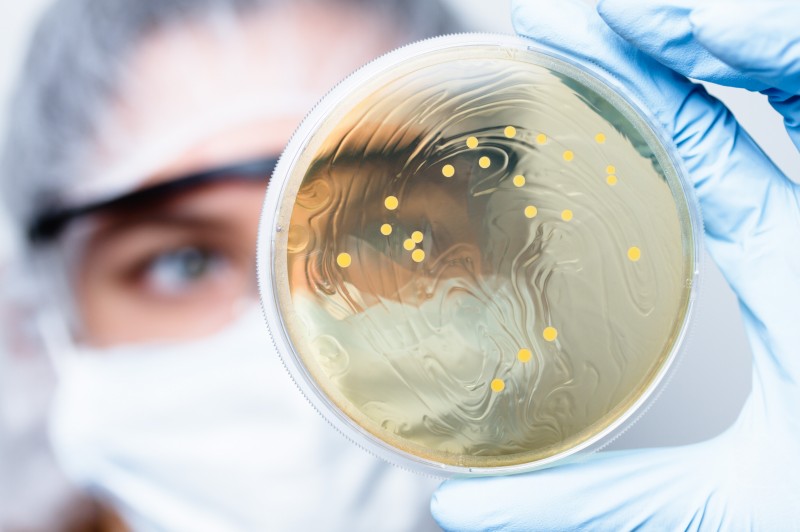
bacteria in water can contaminate food and beverages during production processes

Bioburden Reduction

Bioburden refers to the total microbial load or number of microorganisms present in a given environment or substance. Bioburden reduction involves reducing the microbial count in water used in food and beverage production. Because high levels of microorganisms can negatively impact product quality, shelf life, and safety.

Filtration processes and filters that target bioburden reduction help ensure that the water used in production is free from excessive microbial contamination, reducing the risk of product contamination and improving overall product stability.

Water Quality Requirements for Food & Beverage Production

Different products need different water quality. Here’s what the main food and beverage sectors require, the contaminants that cause the most problems, and the filtration approach that addresses them.

Product Type Key Water Standard Main Contaminants to Remove Recommended Filter Type Typical Micron Rating
Beer & Brewing Low chlorine, clear, bacteria-free Chlorine, sediment, iron, bacteria Carbon block + sediment cartridge 5 micron pre-filter, carbon polish
Soft Drinks & Carbonated Beverages Taste-neutral, odour-free, chlorine-free Chlorine, chloramines, organic compounds, sediment Activated carbon + depth filter 1–10 micron
Dairy Processing Ultra-clean, bacteria-free, CIP-compatible Bacteria, suspended solids, chlorine residuals UF membrane + cartridge pre-filter 0.1–0.2 micron UF
Bottled Water WHO drinking water standards — TDS, bacteria TDS, bacteria, heavy metals, chlorine Multi-stage RO system RO (0.0001 micron)
Food Processing (general) Process-clean, low-TDS where needed Sediment, chlorine, scale-forming minerals Depth + carbon + scale inhibitor 5–20 micron pre-filter
CIP & Rinse Water Free from particulate — protects equipment Sediment, scale, residual product carryover Bag filter or cartridge housing 25–100 micron bag filter

These are starting points. The right filtration setup also depends on your source water quality, your flow rates, and your regulatory environment. If your mains water has high chloramine levels, for example, a standard carbon block might not be enough; you’d need a catalytic carbon or a higher contact time. It’s worth getting your feed water tested before specifying the system.

Filter cartridges for water filtration

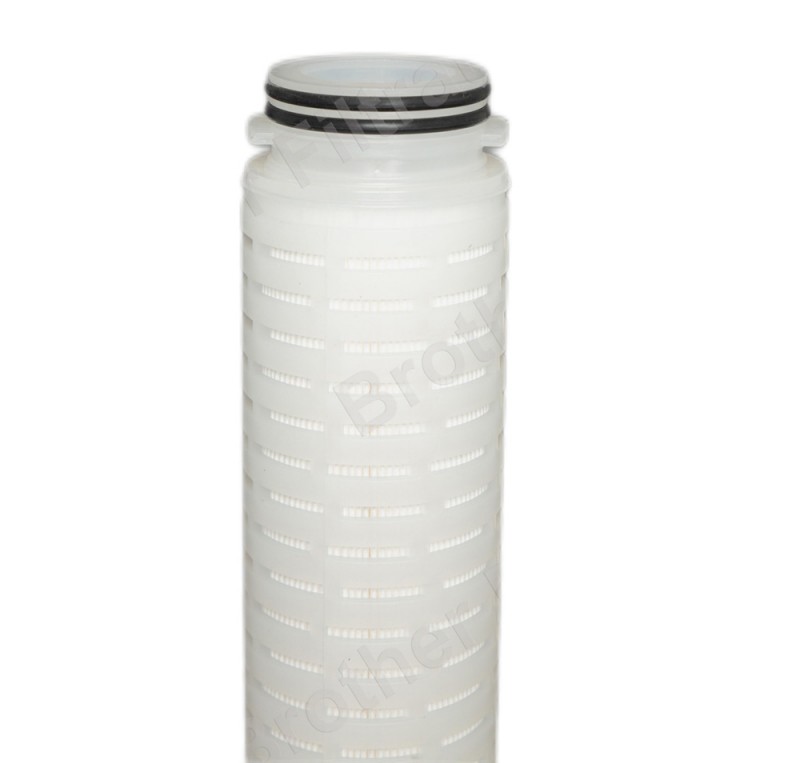
Water filtration is a crucial process in the food and beverage industry to ensure product quality and safety. There are two main types of filter cartridges used in this industry: membrane pleated filters and depth filters.

Membrane pleated filters have excellent filtration capabilities, thanks to their porous membrane. These filters efficiently block microscopic contaminants, such as bacteria, viruses, and sediments, ensuring only clean water passes through.

On the other hand, depth filters focus on removing larger particles, sediment, and suspended solids from water. They are often used as a pre-filtering step before passing water through a membrane pleated filter to optimize performance and extend the lifespan of the membrane filters.

Polyethersulfone (PES) membrane pleated filters are highly effective against bacteria, microorganisms, and particles. They have superior flow rates and throughput compared to other filter media, making them ideal for high-capacity applications. These filters also serve as pre-filters in sterile environments, protecting the final filter.

pes-filter-cartridge

PTFE membrane filters, known for their hydrophobic properties, provide excellent liquid and particle retention. They are effective in removing impurities and contaminants from water and can also validate sterilization of process gas and air entering tanks.

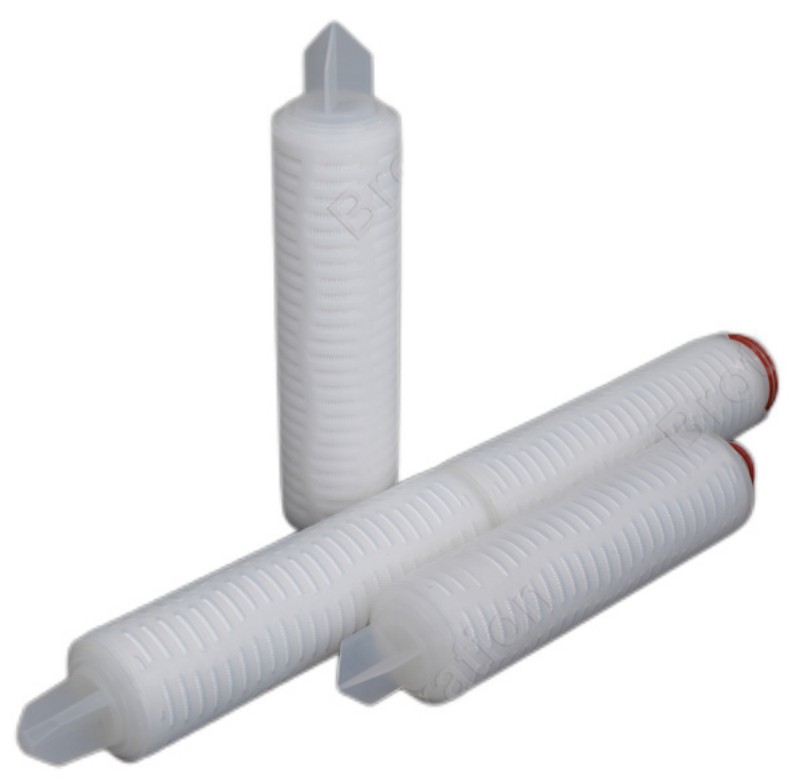
BROMEN™ PP pleated filters are FDA-compliant particle filters made from polypropylene depth media. These filters offer high throughput and have a broad range of absolute micron ratings. They aid in removing sediment, dirt, and other impurities from water used in production processes.

BROMEN™ PP pleated filters

Filtration Systems for Food & Beverage Applications

Most food and beverage water filtration setups use two or three stages in sequence. Here are the main system types, what each one does, and where it fits in a typical treatment train.

Step 1: Pre-filtration: bag filters and sediment cartridges

Pre-filtration takes out the bulk of the suspended solids, sand, rust, scale flakes, and larger organic particles, before the water hits any sensitive downstream equipment. Bag filters handle high-flow applications where the solids load is significant: CIP make-up water, mains water intake, and cooling tower blowdown. Sediment cartridge filters run at finer ratings (5–25 micron) and are used where you need a cleaner feed going into a carbon or membrane stage. In most food plant setups, pre-filtration is the cheapest part of the system, but the one that determines how long everything else lasts.

Stage 2: Carbon filtration: taste, odour, and chlorine removal

Chlorine in mains water is there for a reason; it keeps the water safe in the distribution network. But it reacts with organic compounds to form chloramines and other disinfection by-products, and it affects taste. In brewing, even low chlorine levels can produce medicinal off-flavours in finished beer. In soft drinks, chlorine affects the flavour profile of the base water, which in turn affects the product. Activated carbon filtration, either carbon block cartridges or granular activated carbon (GAC) beds, removes chlorine, chloramines, and dissolved organic compounds. Carbon filtration is standard in breweries, soft drink plants, and any food processing operation that’s product-water conscious.

Stage 3: Membrane filtration: for high-purity and bacteria-free applications

Where carbon and sediment filtration aren’t enough, membrane filtration takes water quality to a higher level. Ultrafiltration (UF) membranes remove bacteria, viruses, and colloidal particles at 0.01–0.1 micron, useful in dairy, sterile beverages, and pharmaceutical-grade ingredient water. Reverse osmosis (RO) takes it further: it removes dissolved salts, heavy metals, and nearly all total dissolved solids (TDS), producing water that meets bottled water and food-grade purity standards. RO is a bigger capital investment and requires more careful management than cartridge filtration — but when the product demands it, there’s no substitute.

Key factors to consider when selecting filter cartridges

Choosing the right filter cartridges for your water filtration system is crucial to ensure optimal performance and effectiveness. Several key factors should be considered when selecting filter cartridges:

Contaminant Removal

Identify the specific contaminants present in your water source and choose filter cartridges that are designed to remove those contaminants effectively.

Flow Rate

Consider the flow rate requirements of your application. Choose filter cartridges that can handle the desired flow rate without compromising filtration efficiency.

Capacity and Lifespan

Determine the expected lifespan of filter cartridges based on the volume of water to be filtered and the contaminant load. This will help in planning maintenance and replacement schedules.


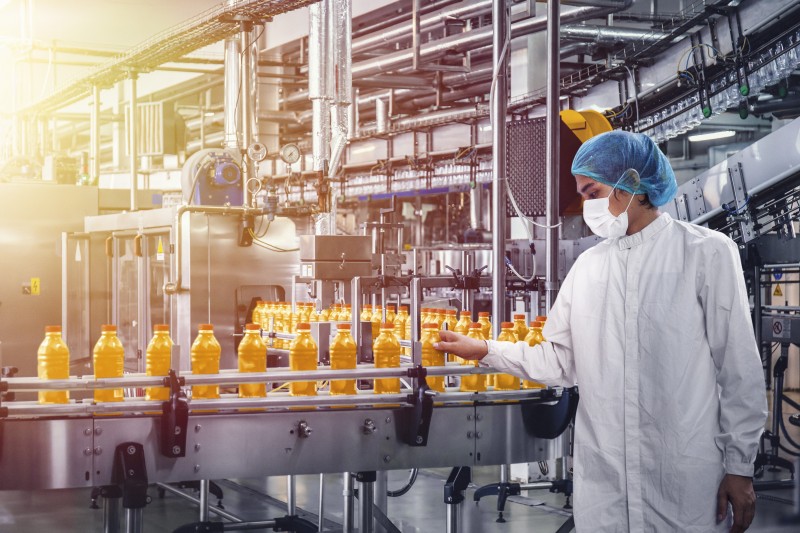
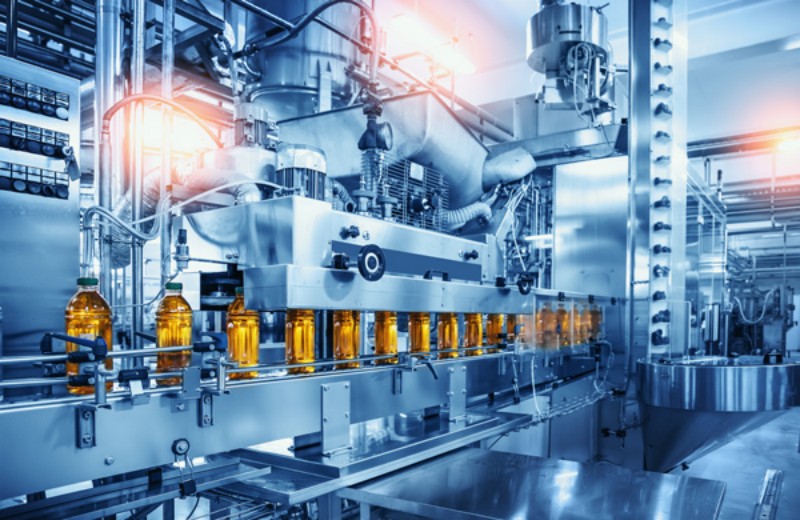
The purified water for use in food processing relies heavily on filtration

Compatibility

Ensure that the filter cartridges are compatible with your existing water filtration system. Consider factors such as size, connection type, and required fittings.

By carefully considering these factors, you can select filter cartridges that are best suited for your specific water filtration needs in the food and beverage industry.

Conclusion

Water filtration is an indispensable component in ensuring superior water quality for the food and beverage industry. Filter cartridges may be small, but their impact on the food and beverage industry is enormous. They ensure that the water used in food and beverage preparation is clean, safe, and of the highest quality.

If you have any questions or need assistance with choosing the right water filtration cartridges for your business, feel free to reach out to our expert team.

Subscribe to our blog newsletter

Get the best, coolest and latest delivered to your inbox each week

Have Questions?