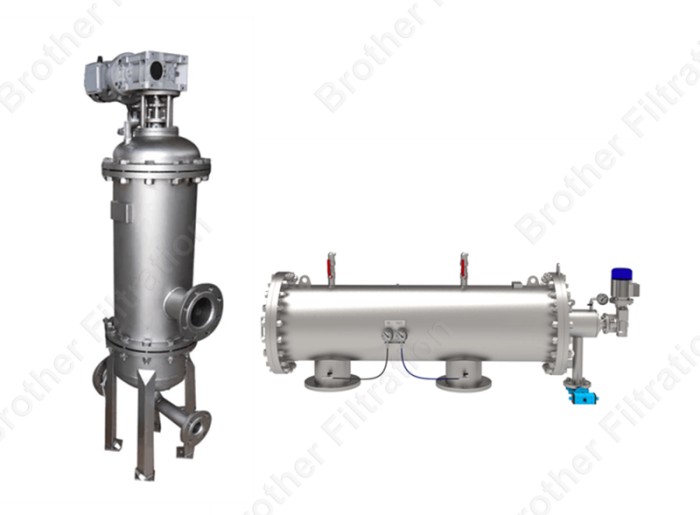
Backwash vs. Scraper vs. Disc: Which Self-Cleaning Filter Fits Your Application?
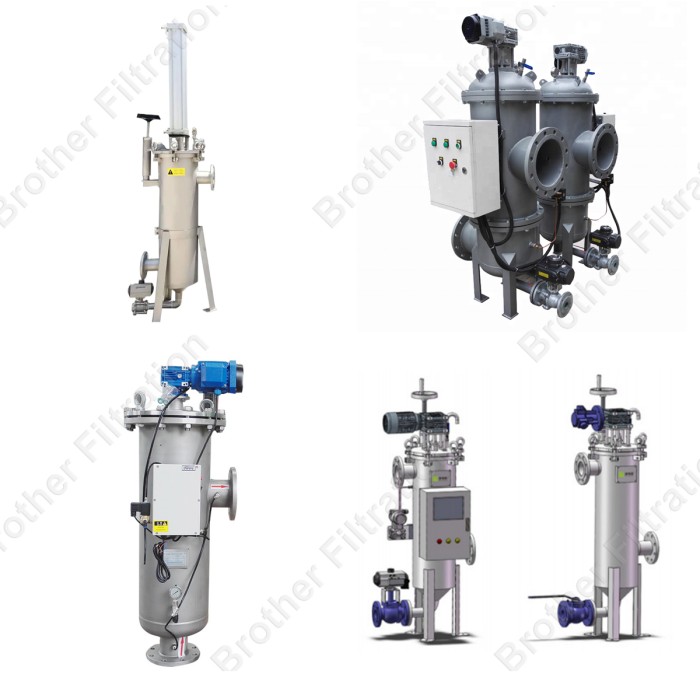
Not every self-cleaning filter suits every contamination profile. The table below compares the three main mechanisms Brother Filtration offers, so you can narrow down the right fit before requesting a spec sheet.
| Filter Type |
Best For (Contamination Type) |
Typical Flow Rate |
Relative Cost Tier |
| Automatic Backwash Filter |
Suspended solids, sediment, and general particulate in water or low-viscosity fluids |
High – supports continuous, uninterrupted flow during cleaning cycles |
(Mid) |
| Scraper Self-Cleaning Filter (Inner/Outer Scraper) |
Sticky, fibrous, or viscous contaminants – oils, resins, pulp fibers |
Low–Medium – mechanism is tuned for viscosity handling over raw throughput [VERIFY] |
(Mid-High) |
| Pneumatic Disc Filter |
Heavy sediment loads and fine particulates in high-solids streams (e.g., seawater intake, cooling tower makeup) |
Medium–High — built for high-solids-loading applications [VERIFY] |
(Premium) |
If your contamination is mostly loose particulate in a high-volume water stream, a backwash filter is usually the most cost-effective starting point. If you’re dealing with oily, fibrous, or sticky media, a scraper filter’s mechanical action handles it where backwash cycles can’t. For heavy, fine-sediment loads at scale, a disc filter’s automation typically justifies the higher cost tier.
Explore the full specs: Automatic Backwash Filter · Outer Scraper Self-Cleaning Filter · Inner Scraper Self-Cleaning Filter · Pneumatic Disc Filter
Applications of auto self-cleaning Strainers
Auto self-cleaning strainers find versatile applications across various industries due to their ability to maintain efficient filtration without manual intervention. Here are some common applications:
Water Treatment Plants
Self-cleaning filters are used to filter large volumes of water in municipal and industrial water treatment facilities, ensuring the removal of debris and particles. With their ability to handle high flow rates and automatically remove accumulated debris, these filters contribute to uninterrupted water treatment operations, cost savings, and improved overall system reliability.
Industrial Process Water Filtration
Self-cleaning strainers are highly valuable in manufacturing processes as they are applied to filter process water. By utilizing self-cleaning mechanisms, these strainers effectively remove debris, particles, and impurities from the water, preventing clogs and potential damage to critical equipment, including pumps, heat exchangers, and spray nozzles.
Cooling Tower Systems
These filters are specifically employed to remove suspended solids, algae, and debris from the circulating water, thereby protecting the cooling tower from potential damage and maintaining optimal cooling efficiency. By automatically cleaning themselves, these filters ensure that the cooling tower’s circulating water remains free from contaminants that could cause clogs, blockages, or corrosion.
Oil and Gas Industry
Employed within oil and gas production facilities, automatic self-cleaning filters play a vital role in filtering water employed across diverse processes. Their function is pivotal in safeguarding pumps, compressors, and other equipment from potential damage, ensuring operational efficiency and longevity.
Pulp and Paper Mills
Applied in paper manufacturing processes to filter water used in pulp preparation, ensuring the integrity and longevity of essential equipment. With their advanced filtration capabilities, they effectively remove impurities from water used in crucial processes. By safeguarding pumps, compressors, and other equipment, these filters optimize efficiency and minimize downtime.
Chemical Processing
Used in chemical plants to filter liquids involved in chemical processes, safeguarding pumps, valves, and other equipment from damage. This extends the lifespan of the equipment, reduces downtime, and improves the overall efficiency and reliability of chemical processes in chemical plants.
Power Generation
Integrated into power plants to filter water used in cooling systems, protecting turbines and condensers from debris and contaminants. This safeguards turbines and condensers by preventing the entry of debris and contaminants, ensuring optimal efficiency and longevity of crucial components in the power generation process.
Food and Beverage Industry
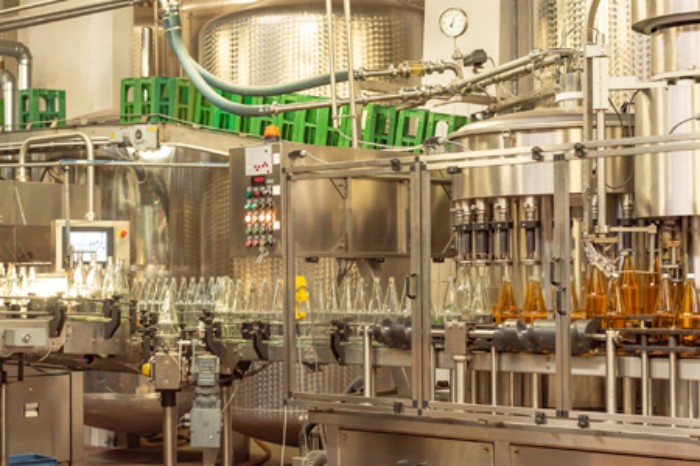
Employed to filter liquids in food and beverage processing, ensuring product quality by removing impurities and particulate matter. These filters can handle a variety of substances, including juices, sauces, dairy products, and processed foods. This results in improved product consistency, reduced downtime, and increased customer satisfaction.