Pre-filtration Applications
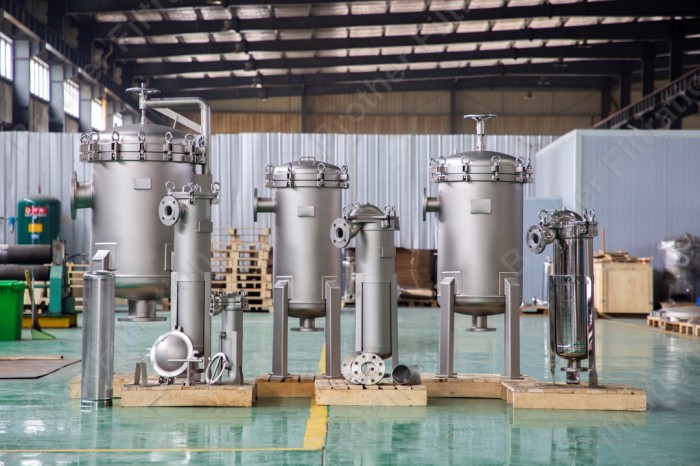
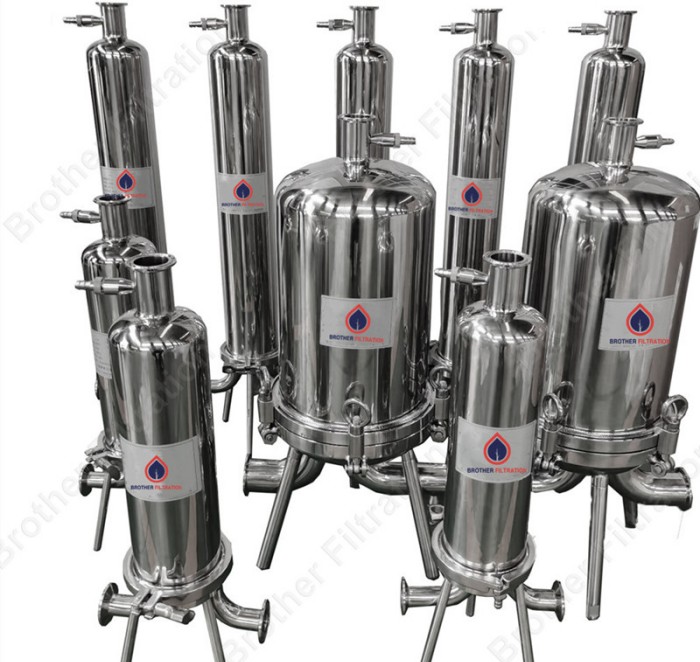
Stainless steel filter housings are beneficial for pre-filtration applications. They provide protection for downstream components by capturing large sediment and particulate matter. This helps to extend the service life of these components and maintain the integrity of various processes. Examples of pre-filtration applications include safeguarding delicate membrane filters in water purification systems and ensuring the cleanliness of process fluids in chemical manufacturing.
Compatibility with Filter Cartridges
When selecting a stainless steel filter housing, it is important to consider compatibility with different types of filter cartridges. This involves understanding the specific requirements of the filtration process. The housing should be able to accommodate various cartridge sizes, form factors, and connection types. Whether the cartridges are melt-blown, string-wound, or activated carbon filters, the housing should fit the cartridges and maintain the necessary temperature and pressure parameters without any risk of deterioration or failure.
Maintenance and Care Tips for Stainless Steel Filter Housing
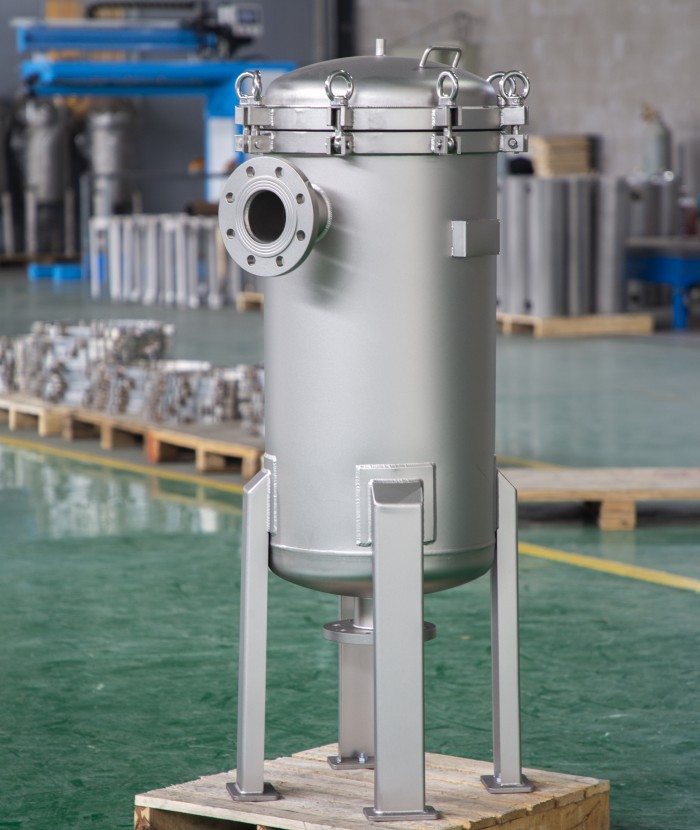
Stainless steel filter housings are designed to provide durable, long-lasting performance. However, to maintain their optimal functionality and appearance, regular maintenance and care are necessary. Here are some tips for maintaining and caring for stainless steel filter housings:
- Regular Cleaning: Clean the housing regularly to prevent the buildup of contaminants, dirt, and debris. Use a mild detergent or cleaner and a soft cloth or sponge. Avoid using abrasive cleaners or scrubbers, as they can scratch the surface.
- Rinse with Water: After cleaning, thoroughly rinse the housing with clean water to remove any remaining detergent or cleaner residue.
- Dry Completely: After cleaning and rinsing, ensure the housing is completely dry before reassembling it. Use a clean, dry cloth or towel to wipe away any remaining moisture.
- Inspect for Damage: Regularly inspect the housing for any signs of damage, such as dents, scratches, or corrosion. If you notice any damage, address it promptly to prevent further deterioration.
- Use Compatible Filters: Only use filters that are compatible with the stainless steel housing. Using the wrong type of filter can compromise the effectiveness of the filtration system and potentially damage the housing.
- Avoid Harsh Chemicals: Avoid using harsh chemicals or solvents on the housing, as they can damage the stainless steel surface. Stick to mild detergents and cleaners.
- Regular Maintenance: Follow the manufacturer’s recommended maintenance schedule for the filter housing. This may include replacing filters, gaskets, or other components at regular intervals.
FAQ
Is stainless steel filter housing better than plastic?
It depends on your application. Stainless steel handles higher temperatures, higher pressures, and harsher chemicals better than plastic, which makes it the go-to for demanding industrial environments. Plastic housings (like UPVC or PPR) are a lighter, more budget-friendly option for less aggressive fluids and non-hazardous chemicals.
What grade of stainless steel is used for filter housings?
304 and 316L are the two most common grades. 304 is durable and cost-effective for general industrial use. 316L has better corrosion resistance, largely due to added molybdenum, which makes it the preferred choice for seawater, chemical processing, and pharmaceutical applications.
How long does a stainless steel filter housing last?
With proper care, a stainless steel housing can last for many years, often well beyond a decade, since the material resists corrosion and structural wear far better than plastic. Actual lifespan still depends on the operating environment, fluid chemistry, and how consistently maintenance is followed.
Can stainless steel filter housings be used with any filter cartridge?
Not automatically, the housing needs to match the cartridge’s size, form factor, and connection type. Whether you’re using melt-blown, string-wound, or activated carbon cartridges, it’s worth confirming compatibility with the manufacturer before ordering.
What’s the difference between a single and multi-cartridge stainless steel housing?
A single cartridge housing handles smaller, lighter-duty flows, and is common in light commercial setups. A multi-cartridge housing holds several cartridges at once, which means higher flow rates and longer intervals between filter changes, making it the better fit for commercial or industrial-scale filtration.
Does stainless steel filter housing need special maintenance?
Not particularly special, but it does need routine care: regular cleaning with a mild detergent, thorough rinsing and drying, and periodic inspection for dents, scratches, or corrosion. Avoiding harsh chemicals and abrasive scrubbers on the surface goes a long way toward keeping it in good condition.
Conclusion
Choosing the right stainless steel filter housing is a critical decision, as it significantly impacts the efficiency and dependability of your filtration process. By taking into account your specific filtration needs, such as the type of contaminants you need to remove and the flow rate required, you can make an informed choice.
Brother Filtration is a trusted provider of filtration solutions, offering a wide range of stainless steel filter housings that are designed to meet the diverse needs of industrial filtration systems. Our products are known for their high quality, reliability, and durability, ensuring the seamless operation of your filtration processes. Contact us now!