Comparison Table
Quick Comparison: Wastewater Filtration System Types
| Filter Type |
Micron Range |
Best For |
Maintenance |
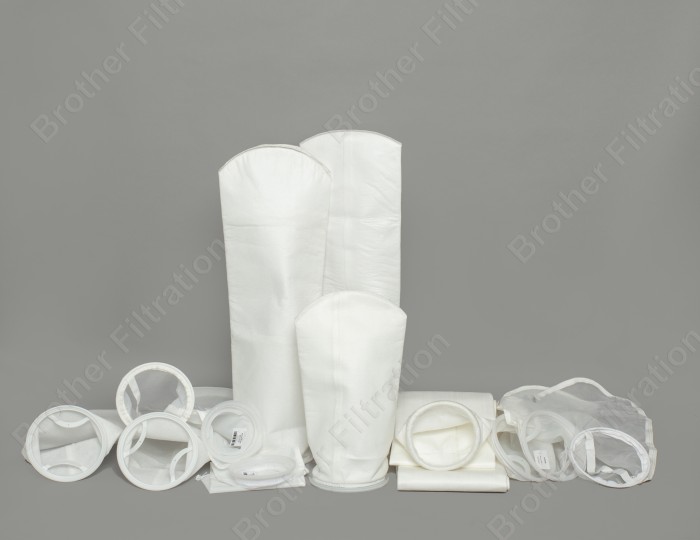
| Bag Filters |
1–200 microns |
Small systems, cost-sensitive setups |
Manual bag replacement |
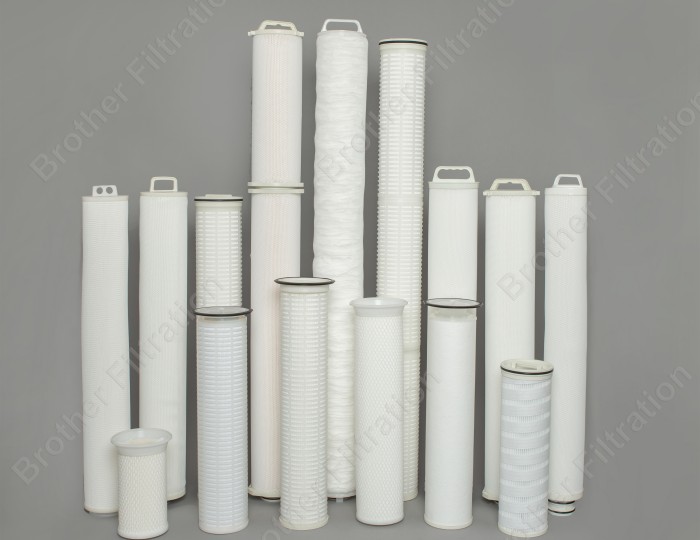
| Cartridge Filters |
0.5–100 microns |
Higher precision, depth or surface filtration |
Scheduled cartridge swaps |
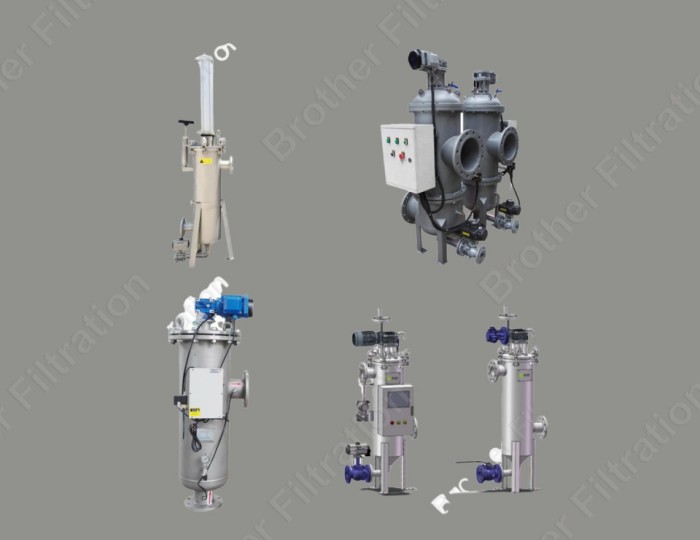
| Self-Cleaning Filters |
25–3000 microns |
Continuous, high-volume systems that can’t shut down |
Automatic backwash, low manual upkeep |
| Ultrafiltration |
0.001–0.1 microns |
Pre-treatment before reverse osmosis |
Periodic membrane cleaning |
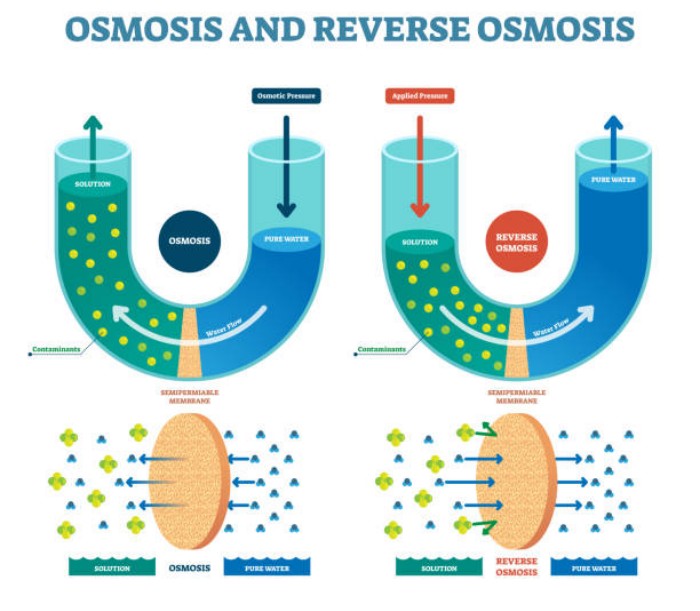
| Reverse Osmosis |
0.0001 microns |
Removing dissolved solids, highest purity needs |
Membrane cleaning and periodic replacement |
Industry Applications Section
Wastewater Filtration by Industry
Different industries produce different wastewater, so the right filtration system depends on what’s in the water.
In the mining industry, wastewater often carries heavy metals and particulates, which usually calls for self-cleaning filters to handle continuous high-volume flow.
In petrochemical operations, stored fuels and chemicals can pick up impurities that affect product quality, so cartridge filtration is often used for tighter micron control.
In the pulp & paper industry, wastewater can contain up to 1,000 ppm of pulp, and self-cleaning filters are typically the better fit for that particle load.
For lower micron requirements, see our guide on how many microns your water filter should be to match filtration to your specific particle size needs.
If your system uses strainers ahead of your filters, our basket strainer vs Y strainer comparison explains how pretreatment strainers fit into the filtration chain.
Selecting the Right Liquid Filtration System
When selecting the most appropriate filtration system for a particular application, several essential factors require careful consideration. Firstly, it is crucial to evaluate the micron size requirements, which will differ according to the size of the particles present in the wastewater that require removal. Also, the chemical resistance that the filter possesses is another vital aspect that needs to be kept in mind while making the selection to prevent any unwanted downstream impact on the filtration process.
In addition to the above, the required efficiency level of the filter represents another significant factor in choosing the right filtration system. Optimal efficiency is, in fact, directly proportional to the system’s overall effectiveness, and as such, efficiency optimization is crucial to achieving a lasting and successful filtration outcome.
Another aspect to keep in mind is the possibility of media changes. This is particularly important when selecting a filtration system that might be required for use in multiple stages or require optimization based on variations in the wastewater’s content. The ability to accommodate such media changes is fundamental to a highly adaptive filtration system.
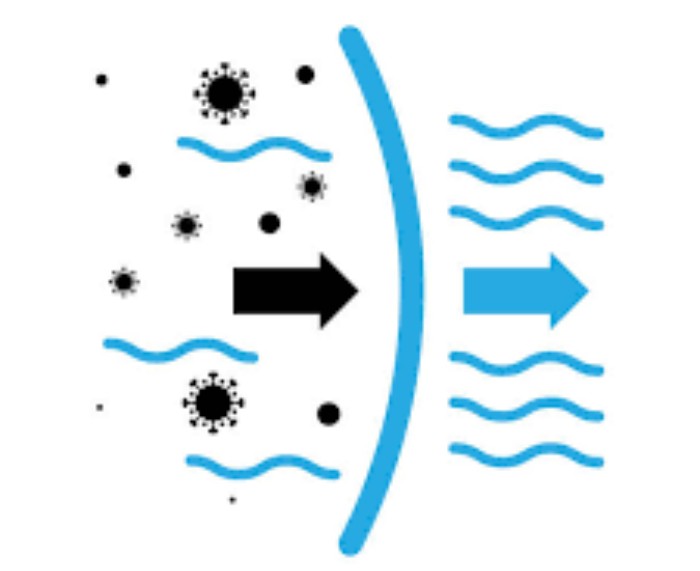
Finally, sterilization cycles play a pivotal role, especially where high levels of bacteria and viruses are present in the wastewater requiring filtration. The system’s sterilization cycles are critical to maintaining the sound, hygienic, and long-term functionality of the filtration process.