

A coalescing filter is a filtration device that captures fine liquid droplets and aerosols suspended in a gas or liquid stream, causing them to combine into progressively larger droplets until they are heavy enough to fall out of the flow and drain away. The process of droplets merging is called coalescence, and it happens inside a specially engineered filter element made from glass fibre, polypropylene, or PTFE media that forces droplets into contact with each other as the process fluid passes through.
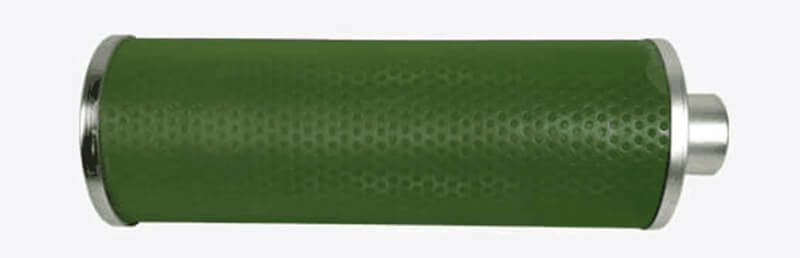
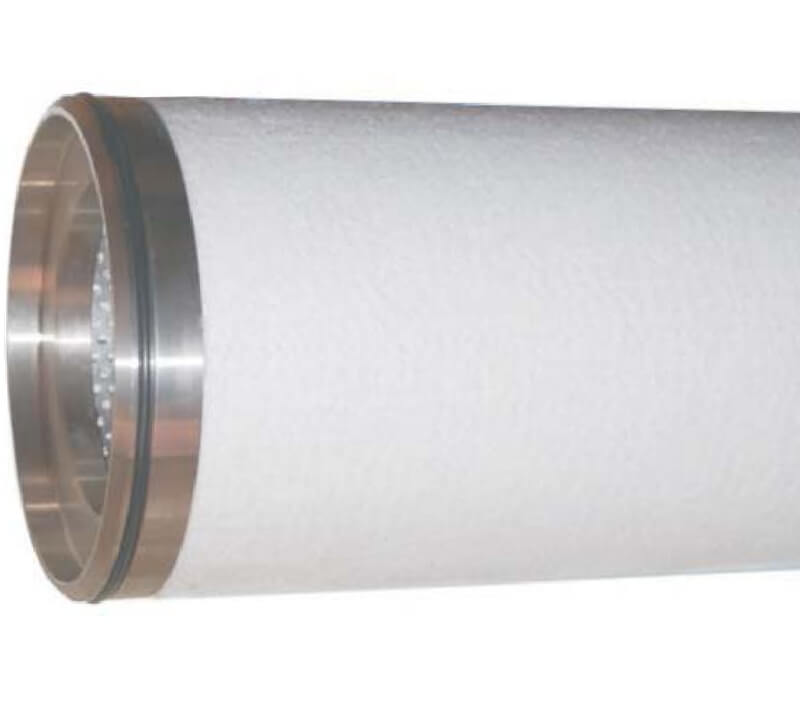
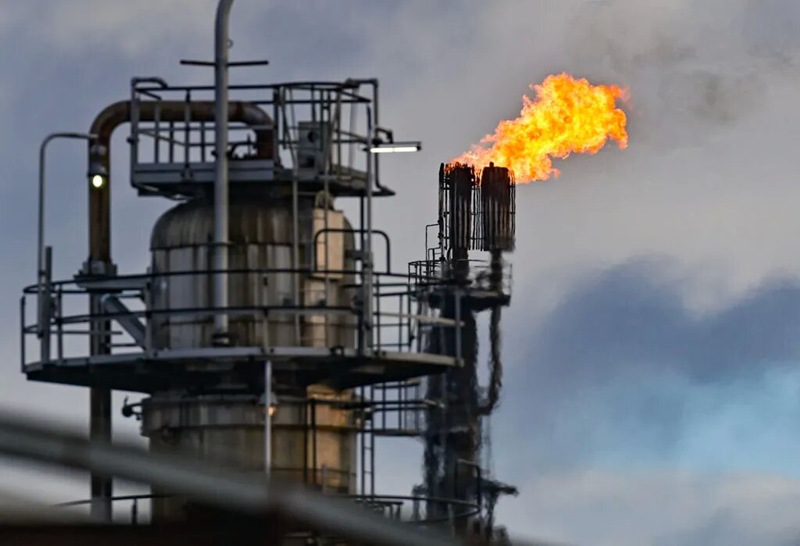
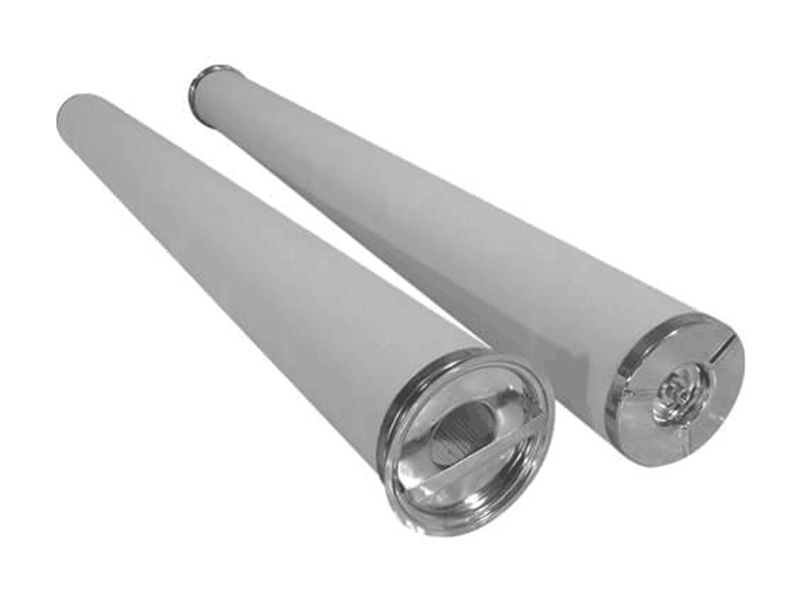
Coalescing filters are used wherever liquid contamination in a gas stream or fine oil mist in a liquid stream must be removed efficiently and continuously. The most common applications are natural gas processing, compressed air systems, oil and gas separation, and petrochemical production, where even small concentrations of liquid carryover can damage compressors, contaminate products, or cause instrument failure. To separate liquid droplets and aerosols from both liquid and gas media, a coalescer and separator filter are utilized. Specialized materials such as micro-fiberglass, synthetic fibers, and thermoplastic resins are used in the production of coalescer filter components. Each coalescer filter material has a range of filtering grades for various coalescer functions and media and is specifically designed to meet the requirements of the application. Coalescer filters are used to separate different petroleum-based liquids, such as hydraulic fluid, jet fuel, and diesel, by removing water. This guarantees the best possible fuel efficiency and operation of industrial equipment, motor vehicles, generators, and aircraft. Oil and water aerosols are also removed from compressed air systems using coalescer filters. Coalescer filters limit the buildup of lubricants, condensed water, and oils on pipes, joints, and fixtures by removing undesirable moisture from the airflow. Coalescer filters accomplish this by ensuring maximum performance, extending the equipment’s useful life, and minimizing the need for upkeep and cleaning. Coalescer filtration systems catch any solid particle debris that can contaminate your system since they work within the flow of air or liquid material. This helps keep your system from becoming clogged with dust, grime, and other debris. To prevent clogging the coalescer and limiting the flow of air or fluid, it is crucial to make sure your system has the appropriate kind of filtration configuration. A coalescer can function alone or be integrated into a more complex separation system, depending on the application and media being filtered. Different from traditional particulate filtration, which removes solids contaminants from gas or liquids. The coalescing filtration has two parts. It has two steps to remove undesired substances. The size of the impurities you want to remove will determine how to select coalescing filters. Smaller particles may need interception and diffusion, however particles larger than one micron can often be removed with direct contact filtration. Coalescing filters work in a similar way regardless of the approach. On the filter element’s fiber material, liquid droplets gather and coalesce at fiber intersections to form bigger droplets that are attracted to the filter element’s bottom by gravity. Droplets grow bigger and heavier as they accumulate and advance down the filter, eventually falling from the filter’s base into a drainage system. The filter element is the component that does the actual work in a coalescing filter. While the housing contains and directs the flow, the element determines filtration efficiency, droplet removal rating, and service life. Understanding how the element is built explains why coalescence works and what to look for when specifying or replacing one. A coalescing filter element is built from multiple layers of fibrous media wound or pleated around a central core. Most elements use borosilicate glass fibre as the primary coalescing medium because its fine, randomly oriented fibre structure creates an extremely tortuous path through which the process fluid must pass. As the fluid flows through this fibre matrix, three capture mechanisms work together. Larger droplets are intercepted directly by the fibres. Smaller droplets, too fine to be intercepted, are carried into the fibre matrix by Brownian motion and diffuse into contact with the fibre surfaces. Once a droplet contacts a fibre, surface tension holds it there. Adjacent captured droplets grow by merging with incoming droplets, a process that continues until the droplet is large enough that gravity overcomes the drag force of the flowing fluid. At that point, the droplet migrates down the outer surface of the element and drains to the sump at the base of the housing. Most coalescing filter elements incorporate three distinct layers in sequence. A pre-filter layer removes coarse solid particles and extends the service life of the coalescing media. A fine coalescing layer is where the primary droplet capture and merging happen. A drainage layer on the outer surface allows the coalesced droplets to migrate downward and drain without being re-entrained into the clean gas stream. Media material Typical application Key properties Borosilicate glass fibre Natural gas, compressed air, general gas processing Fine fibre diameter, high capture efficiency, wide chemical compatibility Polypropylene Aqueous streams, mild chemical environments Good chemical resistance, lower cost, suited to liquid/liquid separation PTFE Aggressive acids, solvents, high-temperature streams Exceptional chemical resistance, higher operating temperature Polyester General industrial, fuel gas Cost-effective, good mechanical strength, compatible with hydrocarbons Coalescing filter elements are rated by the smallest liquid droplet size they reliably capture and coalesce. High-efficiency coalescing elements typically achieve 99.9% or greater removal of liquid aerosols at 0.1 to 0.3 microns. Elements with lower efficiency ratings (1 to 3 microns) are used in applications where absolute aerosol removal is not required or where a coarser pre-filtration stage precedes the coalescing element. Elements are available in both nominal and absolute-rated grades. For applications where outlet quality must meet a defined standard, such as compressed air to ISO 8573 or natural gas to pipeline quality specifications, absolute-rated elements provide the documented performance guarantee that nominal-rated elements cannot. Differential pressure across the filter housing is the correct trigger for element replacement, not a fixed time schedule. A new coalescing element typically generates 0.2 to 0.5 bar pressure drop at design flow. When differential pressure reaches 1.0 to 1.5 bar, the element is approaching end of life and replacement is due. Operating significantly beyond this point risks element structural failure and liquid carryover into downstream equipment. Time-based replacement schedules are acceptable when feed conditions are highly consistent and experience has established what interval corresponds to the pressure drop limit. In variable-duty applications, differential pressure monitoring gives a more accurate and economical replacement trigger. Brother Filtration manufactures coalescing filter elements in glass fibre, polypropylene, polyester, and PTFE media, covering both liquid/gas and liquid/liquid separation applications. View coalescer and separator cartridges Coalescing filters are used across a wide range of industries wherever a gas or liquid stream carries fine liquid contamination that mechanical separation alone cannot remove. The table below covers the most common applications and what each one requires from a coalescing filter element. Application Contaminant removed Natural gas processing Water droplets, hydrocarbon condensate, compressor oil aerosol Compressed air systems Oil aerosol, water mist from compressor outlet Oil and gas production Formation water, hydrocarbon liquids from wellhead gas streams Petrochemical and refinery Hydrocarbon liquids from gas streams, catalyst protection Liquid/liquid separation (chemical, biotech, flavour and fragrance) Emulsified oil from water, organic compounds from aqueous process fluids Fuel gas treatment Liquid hydrocarbons and water from fuel gas before combustion equipment CLG1.0 For natural gas, fuel gas, and oil and gas production. Removes water, oil aerosol, and hydrocarbon condensate from gas streams at 99.9% efficiency. View CLG1.0 CLG2.0 For compressed air, compressor outlet protection, petrochemical, and refinery gas. Handles both liquid and solid contaminant removal simultaneously. View CLG2.0 CLL1.0 For liquid/liquid separation in chemical, biotech, and flavour and fragrance industries. Removes emulsified oil from water and organic compounds from aqueous fluids. View CLL1.0 Not sure which coalescing filter element is right for your application? Share your process conditions with the Brother Filtration engineering team and we will recommend the right element for your specific requirements. Contact us Compressed air systems are probably the most common application people encounter. Every rotary screw compressor produces oil aerosols and moisture. Without coalescing filtration downstream, that contamination reaches pneumatic tools, paint spray booths, packaging equipment, and instrumentation. I’ve seen pharmaceutical plants reject entire production batches because oil vapor from the compressed air system contaminated a clean room. A properly sized coalescer would have prevented the whole mess. Natural gas processing pushes coalescers harder. Gas coming out of the wellhead or through pipeline systems carries water vapor, hydrocarbon condensates, and sometimes amine or glycol carryover from treatment units. If those liquids reach a turbine, compressor, or molecular sieve bed, the damage adds up fast. Coalescer systems in gas service often operate at pressures above 1000 psi and temperatures that fluctuate wildly, which makes material selection critical. Fuel handling is another area where coalescers are non-negotiable. Aviation fuel specifications are brutally strict about water content. A jet engine ingesting water-contaminated fuel at altitude faces flame-out risk. Fuel coalescers at airports and distribution terminals are tested and certified to standards like API 1581 for exactly this reason. These aren’t optional accessories. They’re safety-critical equipment. Petrochemical and refining operations use liquid-liquid coalescers to separate water from hydrocarbon streams or to remove caustic and amine phases from product flows. The principle is identical: merge small dispersed droplets into large ones that separate by gravity, but the engineering details change because you’re dealing with different densities, interfacial tensions, and chemical compatibilities. Are you also curious about why coalescer and separator filter is so popular and preferred by many plants and industries? There is no doubt that it has lots of outstanding advantages and excellent abilities. Many engineers assume that a water separator and a coalescing filter perform the same job. They don’t. While both remove liquid contamination, they operate on very different principles and are designed for different levels of filtration. A water separator removes bulk liquid water using mechanical separation methods like centrifugal force or gravity. It works well when droplets are already large and heavy. A coalescing filter, on the other hand, is engineered to capture microscopic droplets, oil aerosols, and fine mist that water separators simply cannot remove. It forces tiny droplets to merge into larger drops before draining them away. In many industrial systems, the most effective solution is actually using both in sequence: a water separator first for bulk liquid removal, followed by a coalescing filter for fine aerosol removal. Feature Coalescing Filter Water Separator Primary Function Removes fine liquid aerosols and mist Removes bulk/free water Droplet Size Removal As small as 0.1–0.3 microns Typically >10 microns Removes Oil Aerosols? Yes No (only large droplets) Filtration Method Coalescence through microfibers Centrifugal or gravity separation Efficiency Level Up to 99.98% for fine aerosols Effective for visible liquid only Best Used For High-purity air/gas systems Pre-separation of bulk water Common Applications Compressed air, natural gas, fuel systems Air compressors, pipeline pre-treatment Cost Higher initial cost Lower cost Maintenance Element replacement required Minimal, mainly drain maintenance In high-demand systems like compressed air networks or natural gas processing, combining both technologies provides the highest protection: This two-stage approach significantly increases filter life and protects downstream equipment from corrosion, fouling, and contamination. Coalescers are used in the downstream oil and gas industry for product refinement. Filter elements can be employed at natural gas refineries to dehumidify natural gas and guarantee product purity before selling the product. Systems that use gas-oil coalescers can clean natural gas by removing condensate and a number of natural liquids. Additionally, by removing impurities like water vapor and sulfur with an efficiency as high as 99.98%, coalescing filters are actively utilized to avoid corrosion in downstream oil and gas assets like compressors, amine/glycol absorbers, turbines, and membrane filtration systems. When positioned at a compressor’s outlet, coalescing filters can be utilized to collect lubricating oil from the device. Aerosols, particulate debris, dissolved hydrocarbon liquids, and slugs are some of the fluids that are fed into the compressor’s inlet and are removed by a filter element that is situated upstream of the compressor. Prior to storage, water vapor, amine solutions, and sulfur can be phase-removed from petrochemical feedstock using liquid-liquid coalescers (such as Brother Filtration CLL1.0 coalescer filter cartridge). The purity of the product is ensured by removing pollutants, which also stops industrial equipment from corroding. Skip the catalog and start with your process conditions. What gas or liquid are you filtering? What contaminants are present, and what size range are they in? What flow rate and pressure does the system operate at? What’s your target outlet quality? Once you know those answers, filter selection becomes straightforward: Filtration is an important part of many industries, which they can not ignore. As one of the essential filtration systems, coalescing filtration is needed in many oil, gas, and liquid industries. It does fine filtration with 2 phases, coalescing the droplets and aerosols, then removing them. Brother Filtration has years of filtration experience and designs and manufactures all kinds of filter products. We try to do our best in the water treatment field. We offer coalescer and separator filter series for diverse needs. If you are interested in our coalescer and separator filter, please feel free to contact us .
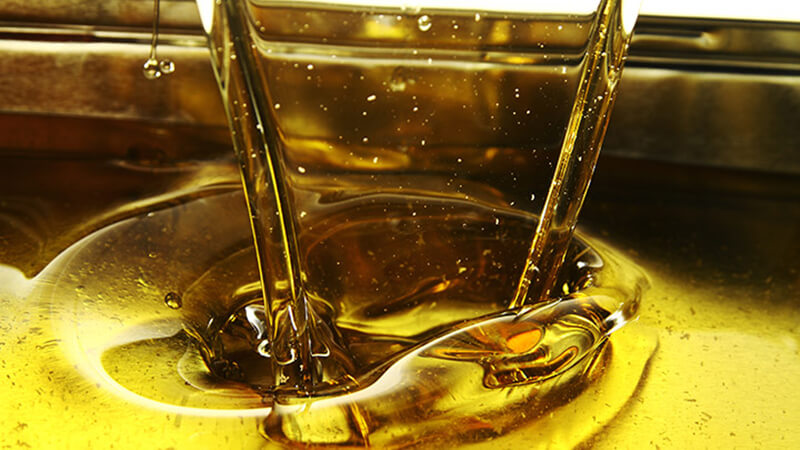
What are the coalescer filter and separator filter?
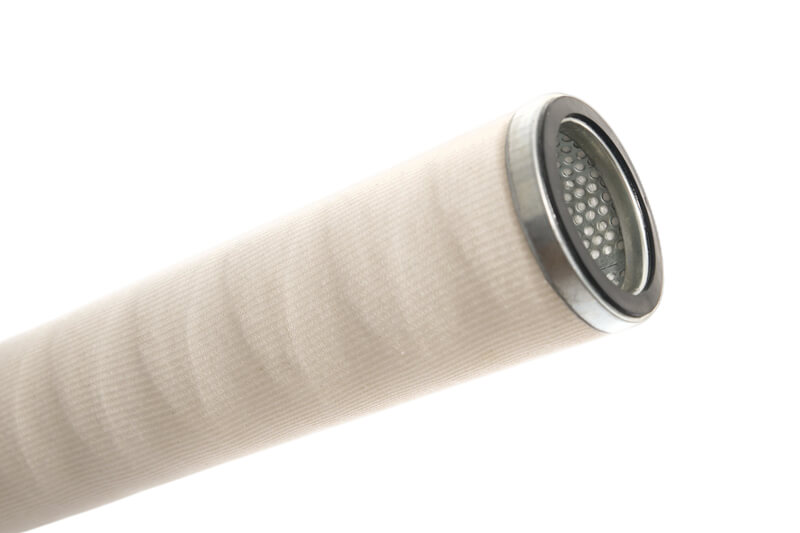
How do the coalescer filter and separator filter work?
Coalescing Filter Elements: Construction, Materials, and Replacement
How is the element constructed?
Filter element materials
Filtration accuracy and ratings
When to replace the element?
Coalescing Filter Applications and Products
Brother Filtration coalescing filter elements for these applications
Where Coalescing Filters Are Essential?
What are the benefits of coalescing filtration?
Coalescing Filter vs Water Separator: What’s the Real Difference?
Comparison Table: Coalescing Filter vs Water Separator
When Should You Use Both?
How can coalescing help in the oil & gas industry?
Downstream filtration
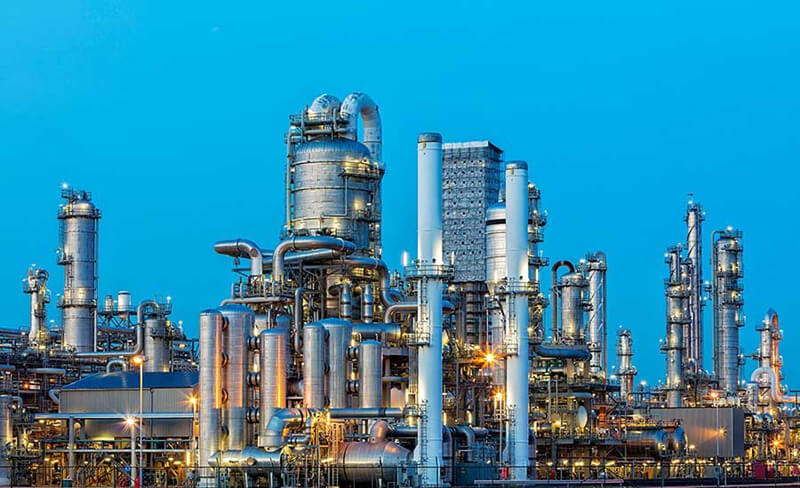
Petrochemical Industries

How to Select the Right Coalescing Filter: 4-Step Selection Guide
Conclusion
relevant products


Subscribe to our blog newsletter
Get the best, coolest and latest delivered to your inbox each week
[newsletter_form]