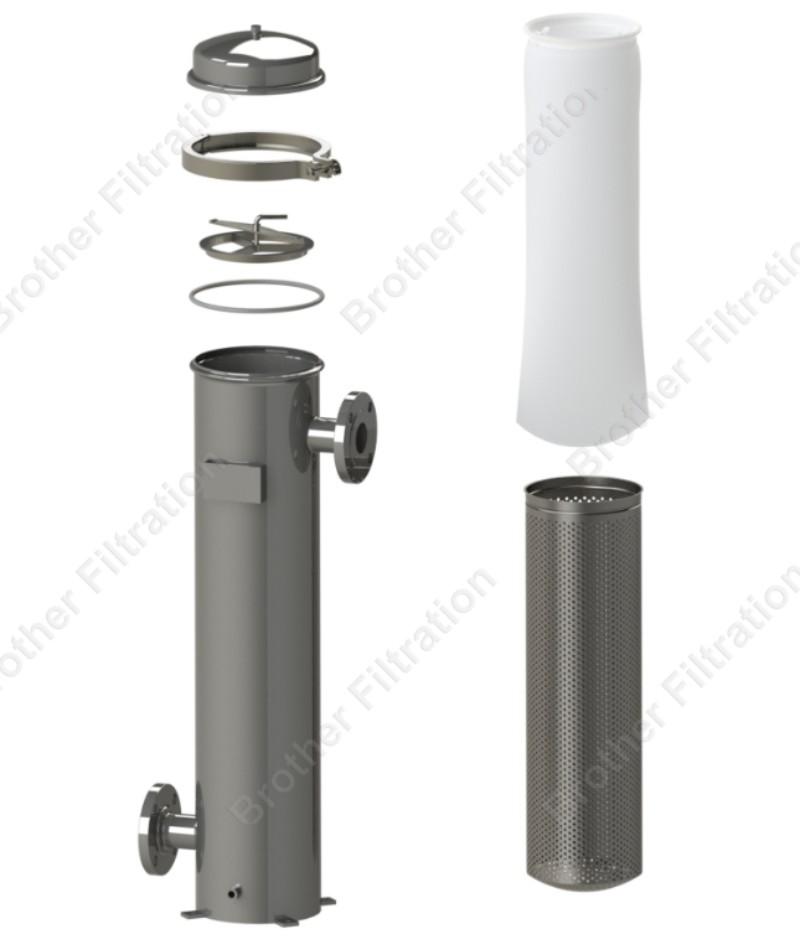
Filter housing systems play a vital role in maintaining the cleanliness and purity of liquids in various industries. From pharmaceuticals to food and beverages, these systems are an essential part of the manufacturing process.
In this blog, we will explore the benefits and features of filter housing systems and how they are changing the filtration industry.
What Is Filter Housing?
A filter housing refers to a device or container designed to hold a filter cartridge or bag in order to separate impurities or contaminants from a fluid stream. It is commonly used in industries such as water treatment, oil and gas, pharmaceuticals, food and beverage, and many others.
A filter housing typically consists of a cylindrical or rectangular-shaped chamber made from materials such as stainless steel, polypropylene, or other durable materials. It has inlet and outlet ports to allow the fluid to flow into and out of the housing.
The filter cartridge or bag is placed inside the housing, which traps and removes particles, sediments, debris, bacteria, and other impurities from the fluid as it passes through the filter.
What are components of filter housing?
Filter housing typically consists of several key components that work together to facilitate the filtration process. These components can vary depending on the specific design and type of filter housing, but some common elements include:
Housing Body
The main structure of the filter housing, usually constructed from materials such as stainless steel, plastic, or other durable materials, to provide the necessary strength and resistance to pressure.
Inlet and Outlet Ports
These ports are openings in the housing body that enable the fluid or gas to enter and exit the filtration system. The size and placement of these ports are purposefully designed to regulate the flow of the substance undergoing filtration.
Sealing Mechanism
A gasket or sealing material is utilized to establish a tight seal between the housing body and the filter element, effectively preventing any bypass of unfiltered material.
Closure Mechanism
The closure mechanism, such as a clamp, bolt, or quick-release mechanism, is used to secure the housing body tightly, ensuring that it remains sealed during the filtration process.
Pressure Relief Valve
Certain filter housing systems include a pressure relief valve to regulate excessive pressure within the housing, preventing any potential harm to the filter elements or the housing.
Mounting Brackets or Legs
These components provide stability and support, allowing the filter housing to be securely mounted or placed in the desired location within the filtration system.
Drain Valve
Certain filter housing designs include a drain valve, which helps in easy removal of collected sediment or filtered material during maintenance or when replacing the filter.
Filter Element Support
Internal components, like a filter basket or support plate, are used to securely hold the filter elements in place and ensure correct alignment within the filter housing.
How Does Filter Housing Work?
Filter housing works by providing a secure and enclosed environment for the filter elements, enabling the filtration of liquids or gases. The filter housing is connected to the flow line, allowing the substance to enter through the inlet port.
Inside the housing, the filter elements trap and remove impurities, contaminants, or particles from the fluid or gas. The filtered substance then flows through the outlet port, ensuring that only purified material exits the housing.
The housing’s design, including the sealing mechanism and closure mechanism, prevents any bypass of unfiltered substances, maintaining the integrity of the filtration process.
Depending on the specific design and application, the filter housing may also incorporate features such as pressure relief valves or drain valves to manage pressure and facilitate maintenance.
Different Types Of Filter Housing
Different types of filter housing are used to accommodate various filter cartridges and ensure efficient and effective filtration. Here are some common types:
Filter Housing Material Grade Options
Filter housing material grade options refer to different levels of quality and performance in the materials used to construct filter housings. The material grade is an important consideration as it determines the durability, compatibility, and suitability of the housing for specific applications. Here are some common material grade options:
Standard Grade
Standard grade filter housings are made from materials such as polypropylene or ABS (Acrylonitrile Butadiene Styrene). These housings are cost-effective and suitable for general-purpose applications with low to moderate operating pressures. They provide basic filtration and are commonly used in residential or light commercial settings.
Commercial Grade
Commercial grade filter housings are constructed from materials such as reinforced polypropylene or carbon steel. They offer improved durability and compatibility with a wider range of chemicals and fluids. These housings are suitable for applications in commercial and industrial settings with moderate to high operating pressures.
Industrial Grade
Industrial grade filter housings are made from heavy-duty materials such as stainless steel or advanced polymers like PVDF (Polyvinylidene Fluoride). They provide superior durability, corrosion resistance, and temperature resistance. These housings are suitable for demanding applications in industries such as oil and gas, pharmaceuticals, or chemical processing.
Sanitary Grade
Sanitary grade filter housings are designed for applications that require high levels of hygiene and cleanliness, such as in the food and beverage or pharmaceutical industries. They are made from high-quality stainless steel or FDA-approved materials. These housings have smooth, crevice-free surfaces and are easy to clean and sanitize.
Applications Of Filter Housing
Filter housing system has a wide range of applications across various industries. These housings are used to hold replaceable cartridges, bags, elements, or media and provide effective filtration of fluids, ensuring the removal of contaminants and impurities.
- Water Treatment
- RO Prefiltration
- Oil and Gas
- Refineries
- Pharmaceutical
- Chemical
- Paints
- Water Treatment
- Food and Dairy Beverages
- Dyes and Intermediates
- Process Industries
- Power Plants
- Textile
Conclusion
A robust filter housing system is the backbone of an efficient and reliable filtration process, ensuring the purity and integrity of the filtered substances across various industries. Its reliability ensures the quality of the final products.
By choosing us, you gain access to a trusted partner committed to elevating your filtration processes with cutting-edge technology, unwavering reliability, and unparalleled customer service. Contact us now to experience the difference that our premium filter housing systems can make for your business.