


Industrial water filtration is a process that removes impurities from water before it is used in manufacturing processes. This article discusses the steps in industrial water filtration, the importance of the process, and the different uses for filtered water.
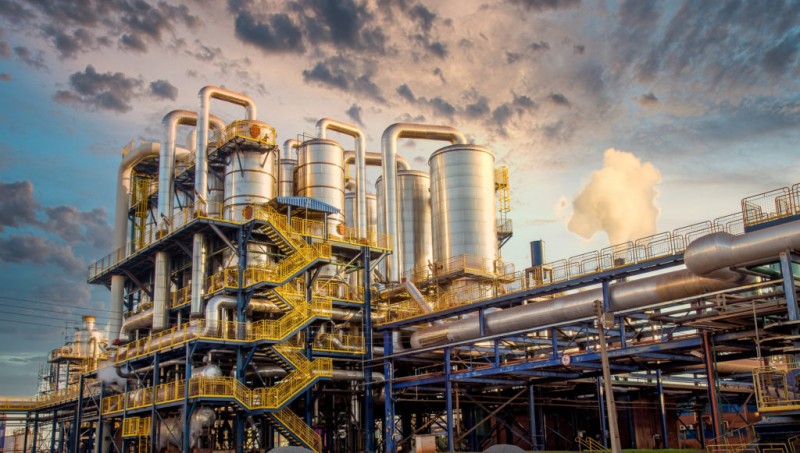
Industrial water filtration is necessary to remove substances that can clog or damage equipment, contaminate final products, or pose a health hazard to workers. The steps in industrial water filtration depend on the type of impurities that need to be removed.
The most common types of impurities removed by industrial water filtration are suspended solids, harmful bacteria, dissolved minerals and gases. The filtered water can be used in a variety of applications including cooling towers, boiler feed water, process water, and more.
What Is the Process of Water Filtration Step by Step?
The filtration technique involves forcing a liquid to flow through the pores of a substance known as a filter in order to separate suspended solid particles from a liquid. The filtrate is the liquid that has gone through the filter. Below is process of the filtration and has four steps:
Screening
Water from natural or industrial sources will be filtered as it enters the industrial filtration system.
This is a very important and indispensable part of the process in which large materials are kept out of the system, reducing the risk of clogging or otherwise disrupting the purification process.
Coagulation or flocculation
This step involves adding chemicals to the water to be treated, which then forms small, sticky particulate matter known as flocs in the water.
These flocs will attract larger and larger particles, some of the larger particles will sink to the bottom of the flocculation tank to be removed, and some will rise to the top to be skimmed out.
Filtration
The process is the most important step in an industrial filtration system. Water is pumped into and through the filter, while accumulated floc is retained in the filter media.
Filters are made of different materials, and when water passes through the filter, the filter traps pollutants, impurities, particles, etc., and removes them.

Disinfection
Once the water has been thoroughly cleaned, it is piped into a sealed tank where chlorine and other disinfectants are used to kill any bacteria or other microbes that could have escaped the filtration process.
Other technologies such as ultraviolet purification, reverse osmosis, and ultrafiltration(filters with a pore size of 0.2 microns or smaller )can also perform secondary treatment and disinfection on filtered water.
What Is the Importance of Industrial Water Filtration?
Industrial water filtration is essential in many industries, including manufacturing, pharmaceuticals, food and beverage, and more. The process of industrial water filtration involves removing impurities, contaminants, and other unwanted substances from water used in industrial processes. Here are some reasons why industrial water filtration is crucial:
Protecting equipment: Impurities in water can cause damage to industrial equipment, leading to costly repairs and downtime.
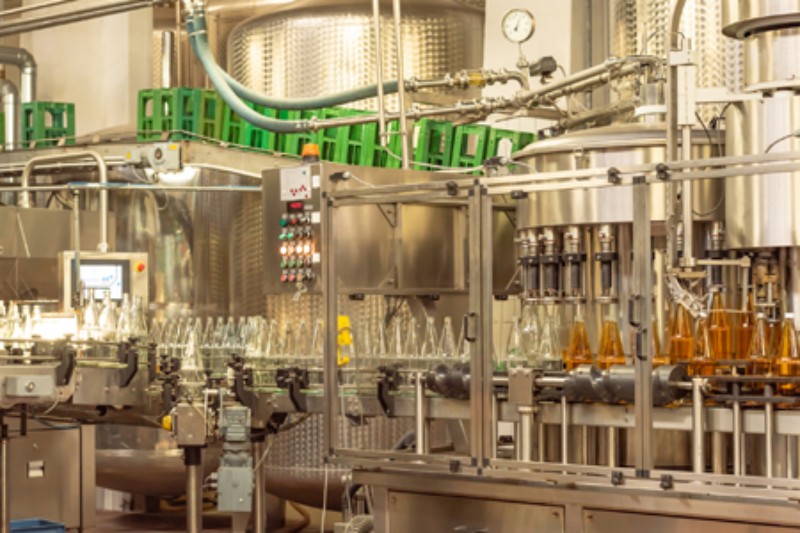
Improving product quality: Water quality can affect the quality of the products produced. Filtration ensures that the water used in production is free from contaminants that can affect product quality.
Meeting regulatory requirements: Many industries must meet regulatory requirements for water quality. Filtration ensures that the water used in industrial processes meets these requirements.
Reducing costs: Industrial water filtration can reduce costs associated with equipment repairs, downtime, and product recalls due to poor water quality.
Promoting sustainability: Industrial water filtration can reduce the amount of water used in industrial processes and promote sustainability.
Regulatory Standards and Compliance in Industrial Water Filtration
Filtration performance isn’t just measured by clarity or flow rate — in most regulated industries, it’s measured against a specific standard that auditors will check for by name. Understanding which standards apply, and why, helps engineers and procurement teams specify the right system the first time rather than retrofitting later.
GMP (Good Manufacturing Practice) governs filtration in pharmaceutical and biotech facilities, where filters used in water-for-injection (WFI) or purified water systems must be validated for bioburden reduction and integrity-tested before and after use. 21 CFR Part 211, the FDA’s current Good Manufacturing Practice regulation, sets specific requirements for water systems used in drug manufacturing, including filtration as a control point.
ISO 9001 doesn’t regulate filtration performance directly, but it governs the quality management system behind how a manufacturer designs, tests, and documents its filtration products, which is why customers in regulated industries often require ISO 9001 certification from their filter suppliers as a baseline.
NSF/ANSI standards (particularly NSF/ANSI 61 for drinking water system components) apply where filtered water will contact food, beverage products, or potable water systems, certifying that the filter media and housing materials won’t leach contaminants into the water they’re treating.
PED (Pressure Equipment Directive), relevant for filter housings sold into the EU, governs the structural safety of pressurized vessels, an important spec for high-flow housings operating under industrial process pressures.
VERIFY: “Brother Filtration‘s cartridges are manufactured in an ISO 9001:2015-certified facility and meet NSF/ANSI 61 material requirements.” Only include certifications that are currently valid and documented.
What Are the Types of Industrial Water Filtration Processes?
Each of these processes has its strengths and weaknesses, and the choice of process depends on the specific needs of the industry and the water quality requirements. It is essential to work with a qualified water treatment expert to design and install an industrial water filtration system that meets the industry’s standards and regulations.
Membrane filtration
In the manufacture of foods and beverages, such as low-fat or whey proteins, the membrane filtration method is widely utilized. Two distinct streams are created from the feed as the liquid is passed through a membrane system. The four different kinds of membrane filtration are reverse osmosis, ultrafiltration, nanofiltration, and microfiltration.

Mechanical filtration
Modern innovation like mechanical filtration can meet industrial filtration needs at operating pressures greater than atmospheric pressure. This filtration procedure can be carried out using a configuration of media inside the main filter body.
Multi-Layer Filtration
The multi-layer filtration process employs a filter tank that has been divided into configuration sections and filled with various types and sizes of gravel that filter the avoidable particles. To get rid of the undesirable application color and odor, coal carbon applied in a carbon bed is useful.
Surface filtration
Surface filtration essentially uses the arrangement of media to form a barrier to remove unwanted particles, remove these particles from the fluid and keep them on the main contact surface of the media. Tea dust and tea are separated in one straightforward example.

Depth filtration
Depth filtration separates and collects various dust particles and pollutants using a media arrangement with a graded density structure. Particles are physically absorbed by the filter elements, which are constructed of materials like polypropylene, cotton, and fiberglass to get them out of the finished filtered liquid.
Brother Filtration’s Approach to Filtration Technology
The filtration types described above membrane, mechanical, multi-layer, surface, and depth aren’t abstract categories. Brother Filtration manufactures across each of them, and the right choice usually comes down to two numbers: the micron rating required and whether the application calls for an absolute or nominal rating.
Depth filtration, for instance, is built around a graded-density media bed – melt-blown polypropylene is common, that captures particles throughout the thickness of the filter rather than only on its surface. This makes depth cartridges well suited to high dirt-holding capacity applications where the incoming water has variable particulate loads. Pleated depth filters extend that same principle with a larger surface area folded into the same housing footprint, which generally means longer service life before differential pressure climbs high enough to require a changeout.
For applications that need a guaranteed particle size cutoff rather than a statistical average, an absolute-rated filter, verified against a beta ratio (the ratio of particles upstream to downstream at a given size) — is the appropriate choice, as is typical in sterilizing-grade and semiconductor-grade filtration. Nominal-rated filters, by contrast, indicate a removal efficiency rather than a guarantee, and are typically sufficient for less critical applications like general sediment reduction.
On the membrane side, Brother Filtration’s UF and RO membrane systems address contaminants that depth and surface filtration can’t touch, dissolved salts, certain organics, and sub-micron particulate — which is why membrane filtration typically sits downstream of mechanical pre-filtration rather than replacing it. Removing coarse solids before water reaches a membrane protects the membrane from premature fouling and extends its operational life.
What Are the Industrial Uses of Water Filtration?
The main purpose of industrial filtration is to not consume harmful pollutants and protect equipment, remove pollutants to purify air, gas and water streams. It also improves the working environment, protects workers, and separates and isolates desired products from water streams or air.
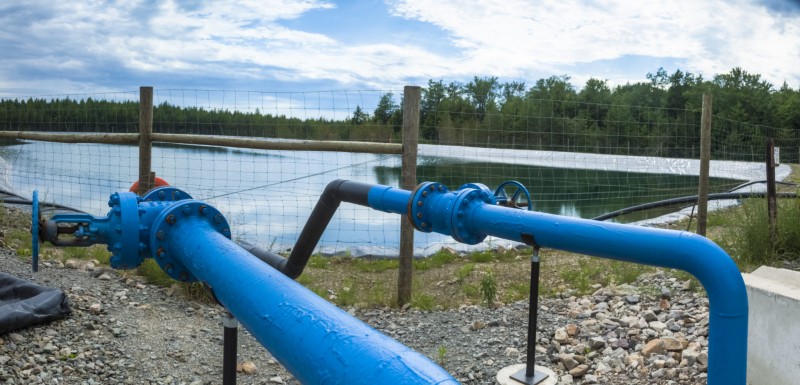
Industrial water filtration is used in various industries, including manufacturing, pharmaceuticals, food and beverage, and more. It is used to remove impurities, contaminants, and other unwanted substances from water used in industrial processes. The treated water can be used for cooling, heating, cleaning, and other industrial applications.
Industry-Specific Filtration Applications
The right filtration approach changes significantly depending on the industry it serves. A pharmaceutical manufacturer and a semiconductor fab are both removing particulate from process water, but the acceptable particle size, the validation paperwork, and the consequence of failure are entirely different. The table below breaks down how filtration requirements shift across the industries Brother Filtration serves most.
| Industry | Primary Filtration Concern | Typical Filter Type | Micron Range | Governing Standards |
|---|---|---|---|---|
| Pharmaceutical | Bioburden control, sterility assurance | Pleated membrane, sterilizing-grade cartridges | 0.1–0.45 µm (absolute) | GMP, 21 CFR Part 211, USP |
| Food & Beverage | Sediment removal, taste/odor, microbial reduction | Depth cartridges, melt-blown, UF membranes | 1–10 µm | NSF/ANSI 61, FDA food contact |
| Petrochemical | Catalyst fines, corrosion product removal | High-flow cartridges, metal filter elements | 5–25 µm | API, ISO 9001 |
| Semiconductor | Ultrapure water (UPW), ionic contamination | UF/RO membranes, point-of-use polishing filters | 0.05–0.1 µm | SEMI F63, ISO 9001 |
| Data Center Cooling | Scaling, biofouling, particulate in closed-loop systems | Bag filters, depth cartridges, side-stream filtration | 5–25 µm | ASHRAE guidelines |
A pharmaceutical line and a data center cooling loop will never share a filter housing spec sheet, but they share the same underlying logic: match the micron rating and filter media to the contamination risk that costs the most when it’s missed. For pharma, that’s sterility. For semiconductors, it’s ionic purity in ultrapure water. For petrochemical, it’s protecting downstream equipment from abrasive fines.
Conclusion
Industrial water filtration is essential for protecting equipment, improving product quality, meeting regulatory requirements, reducing costs, and promoting sustainability. Investing in high-quality industrial water filtration systems is necessary for the success and growth of many industries.
This article reviews industrial filtration technologies, filtration process steps, the importance of these industrial processes, and their uses. To learn more about it, please contact our technical expert immediately.
Frequently Asked Questions
What is the process of water filtration?
Water filtration follows four main steps: screening (removing large debris), coagulation/flocculation (clumping fine particles together), filtration (passing water through filter media to trap particles), and disinfection (killing remaining bacteria and microbes).
How does industrial reverse osmosis work?
Industrial RO forces water through a semi-permeable membrane under pressure, removing dissolved salts, minerals, and contaminants that standard filtration can’t catch. It’s commonly paired with pre-filtration to protect the membrane from fouling.
What is industrial ultrafiltration used for?
Ultrafiltration removes suspended solids, bacteria, and larger organic molecules using a membrane with pores typically around 0.01–0.1 microns. It’s often used as a pretreatment step before RO or as a standalone barrier for microbial control.
What is the difference between industrial and commercial water filtration systems?
Industrial systems are built for higher flow rates, continuous operation, and harsher contaminant loads (process water, wastewater, cooling loops), while commercial systems are typically smaller-scale, designed for lower flow demands like office buildings or retail spaces.
How often should industrial water filters be replaced?
Replacement timing depends on differential pressure and contamination load rather than a fixed schedule most systems use pressure monitoring to signal when a filter needs changing rather than relying on a calendar interval.
relevant products


Subscribe to our blog newsletter
Get the best, coolest and latest delivered to your inbox each week
[newsletter_form]