...
Knowledge

The main reason for most industrial filtration problems is that someone put in a filter that wasn’t made for the job. It was close enough on paper, the price was right, and it fit the pipe.  Still, it was a compromise, and over time, compromises cost more than the money saved at first.

Custom industrial filtration solutions fix this by not starting with a product catalog but with your actual process. We choose the filter media, housing size, flow rating, and pressure design based on what you need, not what you can find at the store.

This guide explains what custom and engineered filter systems really are, why they are important in a wide range of industries, from oil and gas to water treatment, and what to look for when choosing a filtration partner.

What Are Custom Industrial Filtration Solutions?

A custom industrial filtration solution is a filter system that is built specifically for your process instead of being sold as a general product. That sounds simple, but it changes a lot about how the system is designed, built, and maintained. When you buy a standard filter off the shelf, you are accepting the engineering decisions of whoever made it in bulk. The micron rating, the media type, the housing material, and the flow rating were all made for a hypothetical average customer.

If your application happens to match that average, you are fine. If it doesn’t, and most real-world industrial processes don’t, you are working around limitations built into the product from the start. A custom filtration system flips this. Engineers look at your fluid type, your contamination profile, your flow rates, and your operating pressure before anything is selected. The result is a system that fits your process, not one your process has to accommodate.
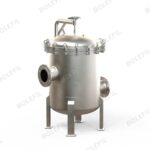
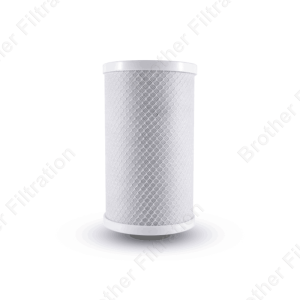
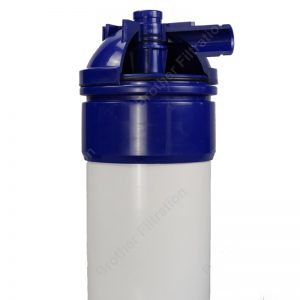
Bag Filtration Systems

The Practical Difference

Here is a straightforward example. A food processing plant producing edible oils needs a filter that handles high-viscosity fluid, complies with food-contact material regulations, and can be cleaned in place without chemical contamination risk. No catalog product ticks all three boxes without modification. A custom-engineered system is designed to meet all three from the ground up, with validated materials and a configuration that works with the plant’s cleaning protocols.

That is the practical difference between custom and standard. One gives you a product. The other gives you a solution.

Why Engineered Filter Systems Matter in Modern Industrial Operations?

Most industries have seen a big rise in production standards. Tolerances are stricter, output quality standards are higher, and environmental rules about emissions and discharge are stricter than they were ten years ago. The filtration infrastructure that worked well in the past often doesn’t work well with today’s needs.

This is not a problem that only exists in theory. Plant managers deal with the effects all the time, like more filter changes, unexplained spikes in downstream contamination, faster wear on pumps and valves, and quality rejections that are caused by problems with the process fluid. In a lot of cases, these are signs of the same problem: the filtration system was never set up right for the process.

Engineered filtration systems are made to fix this problem with matches. Here are a few places where they really do make a difference:

  • Contamination control: A custom system finds the real contaminants in your fluid at the real particle sizes that cause problems. Generic systems aim for a range that may or may not include the thing that is hurting your process.
  • Managing pressure: One of the quickest ways to shorten the life of a filter and raise energy costs is to not manage pressure drops well. Custom systems are made to keep differential pressure as low as possible while still getting the separation that is needed.
  • Regulatory fit: Industries like pharmaceuticals and food production need filtration that meets specific regulatory standards, not filtration that comes close to them. You can design and test custom systems to make sure they meet all of the compliance needs of your business.
  • Equipment life: Contaminated process fluid is to blame for a lot of early equipment failures in industrial settings. Properly specified filtration greatly cuts down on this wear.

Key Components of an Engineered Filtration System

Understanding the main building blocks of a custom filtration system makes it easier to evaluate designs and have productive conversations with filtration engineers. These are the components that matter most.

Filter Media

The media is where the actual separation happens. It is also where most of the engineering judgment lives. The wrong media for your fluid chemistry will degrade quickly, shed fibers into your process, or fail to capture the contaminants that matter. Common media types include spun polypropylene, melt-blown fibers, activated carbon, fiberglass, stainless mesh, and various membrane materials. The choice depends on your particle size targets, your fluid chemistry, and your required service life.

Housing and Materials of Construction

The housing needs to be able to handle your operating pressure, resist the chemistry of your fluid, and follow any rules that apply to the materials used in your product. For many uses, carbon steel works well. For some food, pharmaceutical, and chemical uses, stainless steel is necessary. Polypropylene or PVDF housings are used when a metal contact is not allowed. If you get this wrong, it can cause rust, contamination, and safety problems.

Flow Rate and Sizing

If your filter is too small for your flow rate, it will let too much water through the media, which will push contaminants through instead of catching them. If your filter is too big for your flow rate, the fluid will move too slowly, which can let sediment settle and create dead zones in the housing. Custom sizing means that the system is made to fit your actual flow and has a reasonable service factor built in.

Pressure Rating and Differential Pressure Design

Every filter creates some resistance to flow, measured as differential pressure across the element. This increases as the filter loads with captured particles. A custom system is designed so the differential pressure stays within safe and efficient limits across the element’s expected service life, not just when the filter is clean. This prevents both element collapse from over-pressurization and wasted energy from excessive pressure drop.

System Configuration

Some applications need a single filter stage. Others need two or three stages in sequence to bring contamination down to the required level. Some operations cannot tolerate any downtime for filter changes, which means they need parallel housings that allow one to be serviced while the other stays in service. Configuration decisions like these are part of custom filtration design and have a significant impact on operating costs and reliability.

Types of Custom Filtration Solutions

Custom filtration engineering applies across several filter technologies. The right type depends on your fluid, your contamination load, your flow rates, and your operating conditions.

Liquid Filtration Systems

Liquid filtration covers the widest range of applications, from cooling tower water to pharmaceutical process fluids to edible oils. Custom liquid filtration systems are designed around the specific fluid properties and contamination types involved, with media and housing materials selected accordingly. Many of the most complex custom filtration projects fall into this category because liquid applications often involve the most demanding combinations of chemistry, temperature, and cleanliness requirements.

Air and Gas Filtration Systems

Compressed air and process gas filtration is often underestimated in terms of how much it affects product quality and equipment reliability. Particulates, oil mist, and water vapor in air or gas streams cause instrument damage, contaminate products, and corrode downstream equipment. Custom air and gas filtration systems are designed to the specific purity grade required for the application, whether that is instrument air quality, food-grade compressed air, or process gas with tight purity specifications.

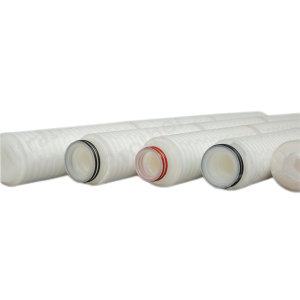
Cartridge Filter Systems

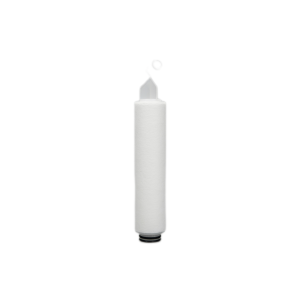
Cartridge Filter systems use replaceable cylindrical filter elements in a pressure housing. They are among the most versatile filter technologies available and can be configured for micron ratings from very coarse to extremely fine. Custom cartridge systems are built for your specific element dimensions, housing material, and flow path, and can be arranged in multi-stage configurations where needed. They are practical for a wide range of flow rates and are relatively straightforward to maintain.

Bag Filter Systems

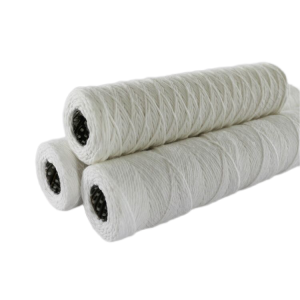
Bag filters handle high-particulate-load applications where the volume of solids being captured would clog a cartridge filter very quickly. The filter bag provides a much larger dirt-holding capacity, which means longer service intervals and lower consumable costs per unit of fluid processed. Custom bag filter systems are sized for your vessel dimensions and flow rate, with bag materials specified for your fluid chemistry and the particle types you are capturing.

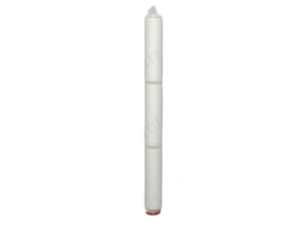
High Flow Filtration Systems

High-flow filter systems use large-diameter, high-capacity pleated elements to process very large volumes of fluid from a compact installation. Where a traditional system might require eight or ten housings in parallel, a high-flow system might achieve the same throughput with two or three. This reduces piping complexity, saves floor space, and makes maintenance simpler. Custom high-flow systems are sized to your specific volume requirements and configured for the most practical maintenance approach given your facility layout.

The Real Benefits of Going Custom

The case for custom filtration is not just about better performance in the abstract. The benefits show up in ways that are visible on maintenance logs, energy bills, and production reports.

Filtration That Actually Hits Your Target

Standard filters are rated for typical conditions. Your conditions may not be typical. A custom system is designed and validated for your specific contamination profile, which means you know what you are getting rather than hoping the rating on the box translates to your process.

Equipment That Lasts Longer

This is where a lot of the financial case for custom filtration lives. Pumps, valves, heat exchangers, and other process equipment that runs on properly filtered fluid simply lasts longer. The maintenance cost reduction is not dramatic in any single month, but it adds up significantly over several years, and it dramatically reduces the frequency of unplanned equipment failures that disrupt production.

Fewer Unplanned Shutdowns

Filter failures and premature changeouts are a common source of unplanned downtime in facilities using poorly matched standard filters. When the filter is right for the application, it runs its designed service life reliably and gets changed on schedule rather than in response to a problem.

Lower Long-Term Operating Costs

The conversation about cost almost always starts with the upfront price, and custom systems do cost more initially. But operating cost is what matters over the life of the installation. Properly engineered filtration means less energy wasted on excessive pressure drop, longer filter element service life, fewer maintenance hours, and lower spend on replacement equipment. The payback period on custom filtration investment is often shorter than people expect when these factors are added up.

Compliance You Can Document

In regulated industries, Industrial filtration performance cannot just be assumed. It has to be demonstrated. Custom systems can be designed with the documentation and validation data needed to satisfy auditors and regulators, which is something off-the-shelf products rarely provide in a form that is directly useful for compliance purposes.

Industries Where Custom Filtration Solutions Are Essential

Water Treatment

Raw water quality varies significantly by source, by season, and by weather events. A water treatment operation that serves municipal or industrial customers needs filtration that handles this variability reliably while consistently meeting discharge or product quality standards. Custom systems are designed with the capacity and flexibility to handle the range of inlet conditions the plant actually encounters.

Chemical Processing

Few environments are harder on filter systems than chemical processing. The combination of aggressive fluid chemistry, elevated temperatures, and high pressures eliminates most standard filter materials from consideration. Engineered filtration systems for chemical processing are built specifically to survive the chemistry involved and to maintain separation performance over the required service interval. This is a field where a filtration engineer with genuine chemical knowledge is essential, not optional.

Food and Beverage Production

Filtration in food and beverage applications has to meet several requirements simultaneously. The materials in contact with the product have to be food-safe. The system has to be cleanable to food industry sanitation standards. The filtration performance has to be validated for the microbiological and particle removal requirements of the specific product. Getting any one of these wrong creates either a product safety problem or a regulatory compliance issue. Custom systems are designed to address all three together.

Pharmaceutical Manufacturing

Pharmaceutical filtration requirements are among the most demanding of any industry. Process fluids, water for injection, and clean steam all have specific purity standards that must be met and documented. Filter systems have to be validated, their materials have to meet regulatory specifications, and their performance data has to be available for review. Off-the-shelf products can rarely satisfy all of this without significant supplementary work. Purpose-built systems do it from the start.

Automotive Manufacturing

Metalworking fluids, cutting oils, and coolants in automotive manufacturing accumulate fine metal particles, chips, and microbial growth over time. Fluid cleanliness directly affects machined surface finish and dimensional tolerance. Custom filtration systems that maintain fluid quality within tight specifications reduce scrap rates, extend fluid service life, and protect expensive machining equipment.

Oil and Gas

Upstream and downstream oil and gas operations both present extreme filtration challenges. High pressures, high temperatures, produced water with complex chemistry, and abrasive solids are normal operating conditions. Filter systems in this environment have to be built to pressure vessel standards, specified for the right metallurgy, and sized for the actual flow rates and contamination loads involved. Standard industrial filters are rarely adequate for this environment.

How a Custom Filtration System Gets Designed?

The design process for a custom filtration system is more methodical than most people expect. It is not a matter of picking the biggest filter that fits the pipe. Each step builds on the one before it, and skipping steps is where problems originate.

Step 1: Understanding the Process Requirements

The starting point is a thorough discussion of what you are trying to accomplish. What fluid is being filtered? What flow rates are involved, and do they vary significantly? What are the operating temperature and pressure ranges? What is the acceptable contamination level in the filtered output? What materials can and cannot be in contact with your fluid? These questions establish the boundaries within which all subsequent design decisions are made.

Step 2: Characterizing the Contamination

Knowing that a fluid is contaminated is not enough. Engineers need to know what the contaminants are, what size they are, and at what concentration they are present. This usually requires a fluid sample and laboratory analysis. The data from this analysis directly determines which filter media will work, what micron rating is required, and how frequently the filter will need servicing under normal operating conditions.

Step 3: Designing the System

With requirements defined and contamination characterized, engineers design the system. This involves selecting the media, sizing the housing, choosing materials, and determining the configuration. For more complex applications, flow modeling is used to predict pressure drop behavior across the expected service life of the filter element. The goal is a design that meets performance requirements reliably, not one that meets them on day one and degrades too quickly.

Step 4: Validation and Testing

Before a custom system goes into service, it should be tested. This means running the system under conditions that represent your actual operation and measuring whether performance meets specifications. Pressure drop, flow rate, and filtration efficiency are the primary parameters. If testing reveals gaps between design and performance, the system is adjusted and retested. Skipping this step is a false economy that tends to create field problems.

Step 5: Support After Installation

Installation is not the end of the project. A properly maintained filtration system performs better and lasts longer than one that is installed and forgotten. Good filtration partners establish service intervals based on your actual contamination loading, provide guidance on replacement element selection as your process evolves, and remain available for technical questions when operating conditions change.

Choosing the Right Filtration Partner

The quality of a custom filtration system depends enormously on who designs it. There are a lot of companies that call themselves filtration specialists. Fewer of them have the engineering depth to handle genuinely demanding applications. Here is what actually matters when you are evaluating options:

Real Engineering Capability

There is a difference between a filtration distributor and a filtration engineer. Distributors select from products they stock. Engineers design systems from requirements. For custom work, you need the latter. Ask whether the company has in-house engineers who will work on your project, or whether they are primarily selecting from a catalog and calling it custom.

Industry-Specific Experience

Filtration in pharmaceutical manufacturing involves different considerations than filtration in oil and gas. A partner with genuine experience in your industry understands the specific regulatory environment, the common failure modes, and the materials and configurations that work reliably in your type of application. This experience shortens the design process and reduces the risk of oversights that cause problems in the field.

Materials Knowledge

Filter media, housing materials, seals, and gaskets all behave differently in contact with different fluids over time. A filtration partner who can explain why they chose a particular material combination for your application, and what the alternatives were and why they were not selected, is demonstrating real engineering judgment. One who cannot is probably guessing.

Testing and Documentation

A partner who can test their systems and provide documented performance data before delivery is giving you something tangible: evidence that the system works. This matters even more in regulated industries where that documentation serves a compliance function.

Long-Term Support

Find out what happens after the system is delivered. Can you get replacement elements quickly? Is technical support available when you have a question? Will someone help you evaluate whether your service intervals are appropriate as your process changes? Partners who are focused on the long-term relationship provide better after-sales support than those focused on the transaction.

Why Brother Filtration for Engineered Filter Systems?

Brother Filtration works on real industrial problems in real operating environments. The team has handled projects across water treatment, chemical processing, food and beverage, pharmaceuticals, and industrial manufacturing, which means they bring practical field experience to every design engagement, not just theoretical knowledge.

The approach at Brother Filtration is engineering-led. Projects start with a thorough understanding of your process requirements, your pollution challenge, and your operating conditions. System design follows from that understanding rather than from a catalog of standard options. This is how engineered filtration is supposed to work, and it is what produces systems that perform reliably over their service life rather than ones that look adequate on paper and underperform in the field.

The product range is broad enough to cover liquid filtration, compressed air and gas filtration, cartridge systems, bag filter systems, and high-flow configurations. This means you are not being pushed toward a solution that fits what Brother Filtration happens to stock. You are getting a recommendation based on what your application actually requires.

After-sales support is treated as part of the service rather than an afterthought. Brother Filtration works with customers on element selection, service interval optimization, and system adjustments as processes change over time. If you are looking for a filtration partner you can work with over the long term rather than a one-time supplier, that ongoing relationship is something Brother Filtration takes seriously.

Custom vs Standard Filtration: Key Differences at a Glance

What You Are Evaluating Custom Engineered System Standard Off-the-Shelf Filter
Starting Point Your process requirements and actual spoiling data A catalog of pre-built products in standard sizes
Filter Media Selection Chosen for your specific fluid and contaminant types Generic media covering common general applications
Housing Materials Specified for your fluid chemistry and pressure range Standard materials that may not suit aggressive fluids
Flow Rate Design Sized precisely for your operating flow volumes Fixed catalog sizes that may need workarounds
Pressure Performance Optimized to minimize energy waste across service life Standard ratings that may not match your system
Contaminant Removal Validated against your specific target contaminants General-purpose performance across typical particle ranges
Service Life Designed around your actual contamination loading rate Based on average use case estimates
Upfront Investment Higher initial cost Lower initial cost
Total Cost Over Time Lower when maintenance, energy, and downtime are factored in Often higher due to poor fit, workarounds, and frequent service
Compliance Support Designed and documented to meet your specific standards May require significant additional work to satisfy auditors

Frequently Asked Questions(FAQs)

What actually makes a filtration system custom? Is it just different sizes?

Size is part of it, but it is the least important part. A truly custom filtration solution involves selecting the right filter media for your specific fluid and contamination type, choosing housing materials that are compatible with your process chemistry, designing the flow path to minimize pressure drop at your actual operating flow rate, and configuring the system for your maintenance capabilities and downtime tolerance. Two facilities running the same nominal filter size might need completely different media, materials, and configurations to get comparable performance from their systems.

We have been using standard filters for years. What would we actually gain by switching?

That depends on what your current filters you are costing. Most operations that switch to custom filtration do so because they are dealing with one or more of these issues: filters that need changing too frequently, contamination that keeps getting through to downstream equipment, accelerated wear on pumps or valves, quality problems that trace back to process fluid cleanliness, or compliance requirements that standard products cannot reliably satisfy. If you are not experiencing any of these, your standard filters may be adequate for your application. If any of them sound familiar, a custom system is likely a worthwhile investment.

How much more expensive are custom filtration systems compared to standard ones?

The upfront cost difference varies considerably depending on the complexity of the application. Simple custom configurations may cost only modestly more than comparable standard equipment. Complex multi-stage systems with specialty materials and validation requirements cost substantially more. What matters more than the upfront comparison is the total cost over three to five years of operation, including filter element consumption, maintenance labor, energy, and downstream equipment wear. In demanding applications, custom systems almost always come out ahead on this comparison.

What do you need from us to start designing a custom system?

The most useful starting point is a clear description of your process: what fluid you are filtering, what type of spoiling you are dealing with, what your flow rate is, what your operating pressure and temperature are, and what level of cleanliness you need at the outlet. A fluid sample for laboratory analysis is valuable but not always required at the start. If you have had problems with previous filtration systems, information about how and where they failed is also very helpful in designing something that avoids those failure modes.

Can a custom system be adapted if our process changes?

Usually, yes, and this is something worth discussing during the design phase. Well-designed custom systems are built with some adaptability in mind. Filter elements can often be changed to different micron ratings without replacing the housing. Configurations can be modified to add stages or change from series to parallel arrangements. If your flow rates change significantly, that may require a different housing, but the engineering work involved in a modification is much less than starting from scratch. A good filtration partner will design your system with your likely future needs in mind, not just your current ones.

Conclusion

The filtration problems that show up in industrial operations, frequent changeouts, pollution getting through, unexplained equipment wear, and compliance concerns are usually not mysterious. They are generally symptoms of a mismatch between what the filtration system was designed for and what it is actually being asked to do.

Custom industrial filtration solutions close that gap. When the filter media, housing, flow design, and configuration are all built around your actual process rather than an industry average, the system performs as intended across its service life rather than just at the beginning. The investment is higher upfront and lower over time, which is the pattern that matters in industrial operations.

If you are dealing with any of the issues described in this guide, or if you are setting up a new process and want to get the filtration right from day one, the next step is straightforward: talk to someone who can look at your process properly and tell you what will actually work. Brother Filtration’s team is available to do exactly that. Reach out and describe your application, and find out what a system built for your operation can do.

relevant products

Subscribe to our blog newsletter

Get the best, coolest and latest delivered to your inbox each week

Have Questions?