...
Knowledge

Because of the limited freshwater resources, seawater has been always an important way to get water from for many areas and countries.

The Complete Seawater Desalination Filtration Workflow

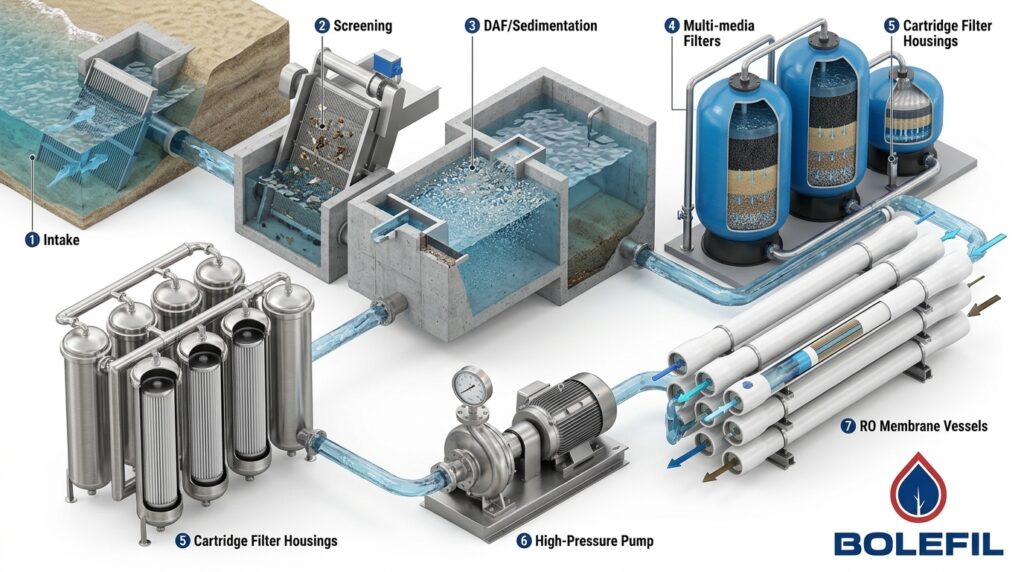
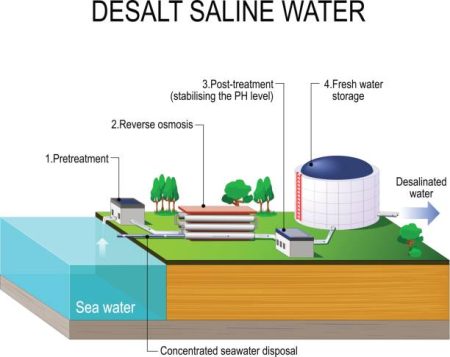
Producing potable water from seawater is not a single-step process. A well-designed desalination plant moves water through three distinct stages, pre-treatment, membrane separation, and post-treatment, each relying on specific filtration technologies. Understanding this workflow helps engineers and procurement teams specify the right filter at every stage.

Stage 1: Pre-Treatment Filtration

Raw seawater carries suspended solids, biological material, and colloidal particles that would rapidly foul or damage an RO membrane. Pre-treatment removes these contaminants before the water ever reaches the membrane array.

Key pre-treatment steps:

  • Coarse screening (1–3 mm) – removes fish, seaweed, and large debris at the intake
  • Drum screens or band screens (100–300 µm) – removes fine suspended solids
  • Coagulation and flocculation – chemical dosing (e.g., ferric sulfate or polyaluminium chloride) aggregates colloidal particles
  • Dissolved air flotation (DAF) or sedimentation – removes flocculated particles
  • Dual-media or multi-media filtration (sand + anthracite) – reduces turbidity to < 0.5 NTU
  • Cartridge filter pre-filtration (5–20 µm absolute) – acts as the final guard filter ahead of high-pressure RO pump

The Silt Density Index (SDI) is the industry benchmark for RO feedwater quality. SWRO membranes require an SDI₁₅ of < 5, ideally < 3, before water enters the pressure vessel.

Pre-Treatment Filtration

Stage 2: Reverse Osmosis Membrane Separation

Pretreated seawater is pressurized (typically 55–85 bar for SWRO) and forced across semipermeable spiral-wound membranes. The membranes reject dissolved salts, bacteria, viruses, and trace organic compounds, producing a permeate (product water) stream and a concentrate (brine) stream.

Modern SWRO systems recover 35–50% of the feedwater as permeate. Energy recovery devices (ERDs), such as pressure exchangers, capture energy from the high-pressure brine and return it to the feed stream, reducing overall energy consumption by up to 60%.

Stage 3: Post-Treatment

RO permeate is aggressive and slightly acidic (typically pH 5.5–6.5). Post-treatment stabilises the water for distribution and human consumption.

Standard post-treatment steps:

  • Re-mineralisation – calcite contactors or lime dosing raise pH and add calcium/magnesium
  • CO₂ stripping – reduces dissolved carbon dioxide to stabilise pH above 7.5
  • Disinfection – chlorination, UV irradiation, or both, to meet WHO drinking water guidelines
  • Final cartridge or membrane filtration (0.2 µm) – sterilising-grade polishing step before distribution

There are many different methods to treat sea water, but only three treatments are for large-scale desalination, which are multiple-effect evaporator (MED), reverse osmosis (RO) and multi-stage flash (MSF).

Salty River Of Blue Water At Sunset Near Mountains

Desalination is a method of water filtering used to purify saltwater of minerals and other impurities. Saline water is converted to usable water for agriculture and drinking through the desalination process.

Desalination systems are used in homes, yachts, hotels and resorts with beachfront locations, as well as various commercial and industrial settings.

In regions of the world without access to drinkable water, the treatment of seawater has emerged as a crucial substitute for the generation of pure fresh water.

The ocean has offered an abundant supply of water that is available for human consumption as other sources, including rivers, lakes, wells, and springs, have grown progressively depleted as a result of excessive extraction.

Although ocean water has high levels of salt and cannot be used for drinking or the majority of other purposes, seawater filters have made it possible.

Desalination systems incur higher operational costs compared to traditional water filtration systems because they require a specific type of energy to function.

In situations where local potable water sources are not accessible or have been exhausted, these desalination filtration systems become the sole source of clean water for these communities.

desalination

Desalination Process & Reverse Osmosis

Desalination is a process aimed at removing salt and other impurities from water to make it suitable for human consumption or other purposes. Reverse osmosis (RO) stands out as the foremost method for desalination, both in terms of installed capacity and annual growth.

This process utilizes semipermeable membranes and applied pressure to selectively allow water molecules to pass through while blocking salts.

Compared to thermal desalination methods, RO membrane systems typically consume less energy. The energy expenditure in desalination varies widely depending on factors such as water salinity, plant size, and the specific process employed.

Currently, the cost of seawater desalination exceeds that of traditional water sources; however, advancements in technology, including enhanced efficiency, reduced plant footprint, optimized operation, improved feed pretreatment, and the utilization of cheaper energy sources, are expected to drive costs down in the future.

Additionally, reverse osmosis desalination systems are modular and scalable, allowing for flexibility in plant design and installation.

They can be deployed in various settings, including coastal areas, remote locations, and urban centers, to provide freshwater solutions tailored to specific needs and demands.

Desalination Process & Reverse Osmosis

Types of desalination processes (thermal vs. membrane-based)

Desalination processes involve removing salt and other impurities from seawater or brackish water to produce fresh water suitable for consumption or industrial use.

The two main types of desalination processes are thermal desalination and membrane-based desalination.

Thermal Desalination

Multi-Stage Flash Distillation (MSF): This process involves multiple stages of flashing seawater into steam. Each stage operates at successively lower pressures, causing more flashing and higher purity distillate.

Multi-Effect Distillation (MED): In MED, heat from one distillation stage is used to evaporate water in the subsequent stage. It operates at lower temperatures and pressures compared to MSF, making it more energy-efficient but with slightly lower freshwater output.

Vapor Compression (VC): VC desalination compresses vapor from evaporated seawater to increase its temperature and pressure before condensing it into fresh water. This process is energy-efficient but requires a significant amount of electricity.

Thermal Desalination

Membrane-Based Desalination

Reverse Osmosis (RO): Reverse osmosis involves applying pressure to seawater to force it through a semi-permeable membrane, leaving behind salts and impurities while producing fresh water. RO is widely used due to its high efficiency and relatively lower energy consumption.

Nanofiltration (NF): Uses a membrane with larger pores than RO, allowing for the removal of divalent ions such as magnesium and calcium.

Electrodialysis (ED): Electrodialysis uses an electric field to drive ions through ion-exchange membranes, separating salt ions from the water. It’s particularly useful for brackish water desalination.

Membrane Distillation (MD): MD utilizes a hydrophobic membrane to separate water vapor from the feed solution.

The vapor diffuses through the membrane and condenses on the other side, producing fresh water. MD is promising for low-temperature and waste heat desalination applications.

swro

What is Reverse Osmosis in seawater treatment?

As we mentioned above, there are three main seawater treatment methods, among them, RO is the most popular one. Due to its characteristics, which consumes less energy and has a high desalination rate, RO has been widely used in many seawater desalination plants.

Systems for seawater reverse osmosis are made to eliminate more than 99% of saline contamination in the feed water.

For the purpose of removing sodium chloride, preventing scaling, and maintaining system performance, these systems also include a washing, and chemical purification device.

Reverse osmosis membranes and high-pressure feed pumps are the two essential parts of every seawater reverse osmosis system.

Any reverse osmosis system’s core components require specific application and thought to function properly.

In SWRO(sea water reverse osmosis), one thing should be noticed and can not be ignored, is prefiltration for SWRO.

Compared to surface water and groundwater resources, seawater resources often have a higher tendency for membrane fouling and require more thorough prefiltration procedures.

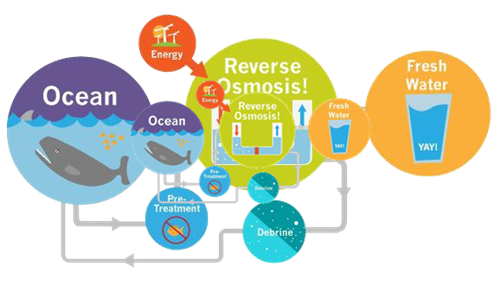
process of desalination

Process of seawater desalination

Every day Bother Filtration helps thousands of desalination plants to reduce their water footprint, increase productivity, and lower operating expenses.

We are helping millions of people to live healthier lives by developing better ways to purify the world’s water sources, improve the food process, es and more. Below is a brief introduction to seawater desalination.

The first step: Sea water prefiltration

The first step in seawater desalination is prefiltration. Many particles such as sand, clay and natural organic matter can be removed by prefiltration for SWRO.

Prefiltration is necessary to protect the subsequent stages of the desalination process, as these particles can clog or damage equipment.

The second step: Debrine & Reverse Osmosis

After prefiltration, the sea water enters the second step, which involves debrining and reverse osmosis (RO). In this stage, debrine is accomplished through RO.

At the same time, 50% water can be output. Water passes through the RO membrane to remove tinniest particles and contaminants.

The third step: Stabilization

The third step in seawater desalination is stabilization. During this step, the pH level is adjusted and 50% water output, then we get purified water. Stabilization ensures that the purified water is safe for consumption and suitable for various applications.

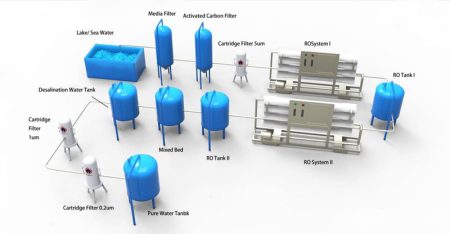
Filtration system of seawater desalination

Now we already have a good knowledge of filtration for seawater desalination. We will simplify it into three main filtration steps.

filtration of sea water

Protection filtration for RO system

We use different micron ratings of filter cartridges to eliminate various sizes of contaminants. By removal of those particles, we can protect our RO system, and improve its efficiency of the RO system.

There are mainly three different micron ratings , which are micron filtration(to filter germs between0.1~1um), Ultrafiltration(to filter protein and virus between0.01~0.1um) and Nanofiltration(to filter salt between 0.001~0.01um).

Here the filter cartridges we mainly used are:

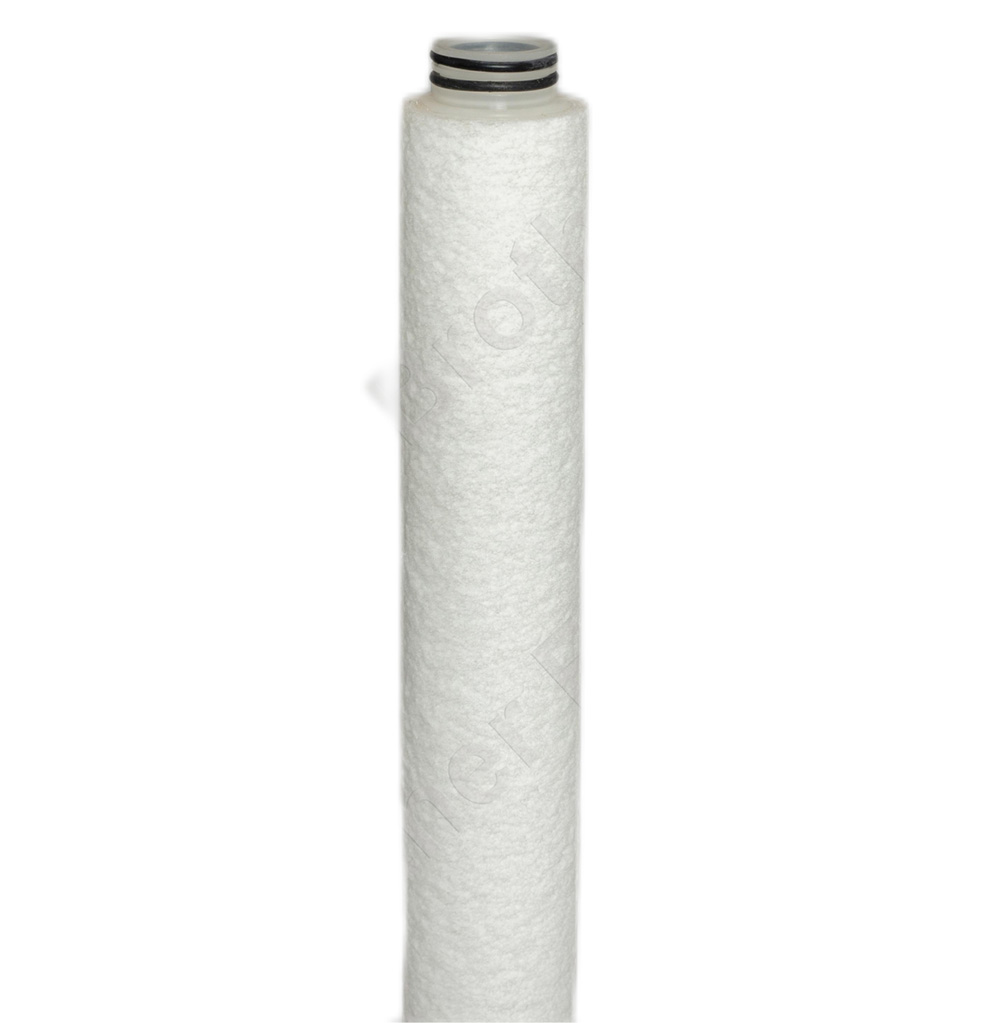
Polypropylene Melt Blown cartridge filter is commonly used for protection filtration in RO systems. It is designed to remove sediment, dirt, rust, and other large particles from the water.

These filters have a higher dirt-holding capacity, providing longer filter life and ensuring better performance of the RO system.

Polypropylene Melt Blown cartridge filter, with years of experience, Brother Filtration can custom you special PP melt blown filters with varied specifications.

meltblown filter
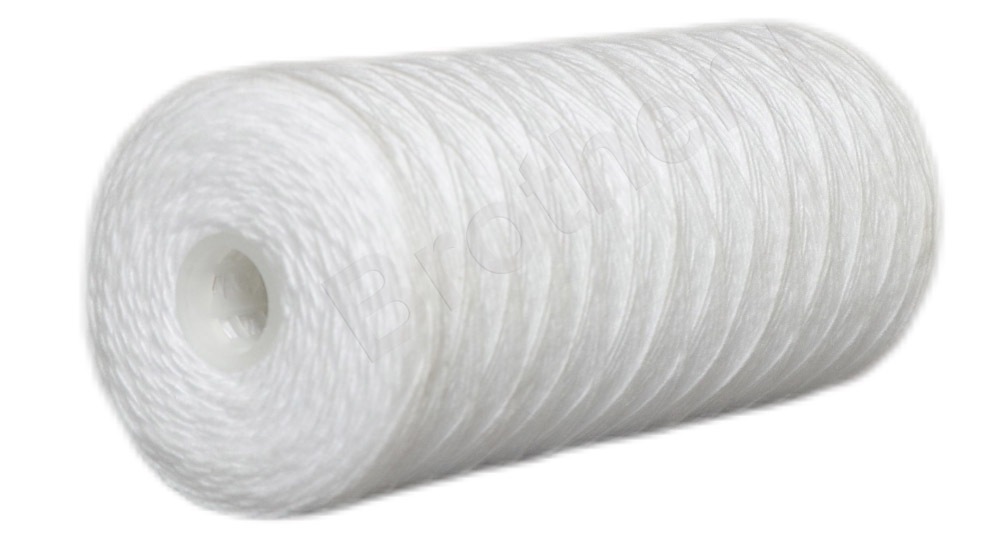
PP string wound

The Polypropylene String Wound cartridge filter is another type of filter used for protection filtration.

It consists of a durable polypropylene tightly wound string around a core, providing excellent filtration efficiency and preventing the release of fibers into the water.

Polypropylene String Wound cartridge filter is a durable and economical choice for fine filtration.

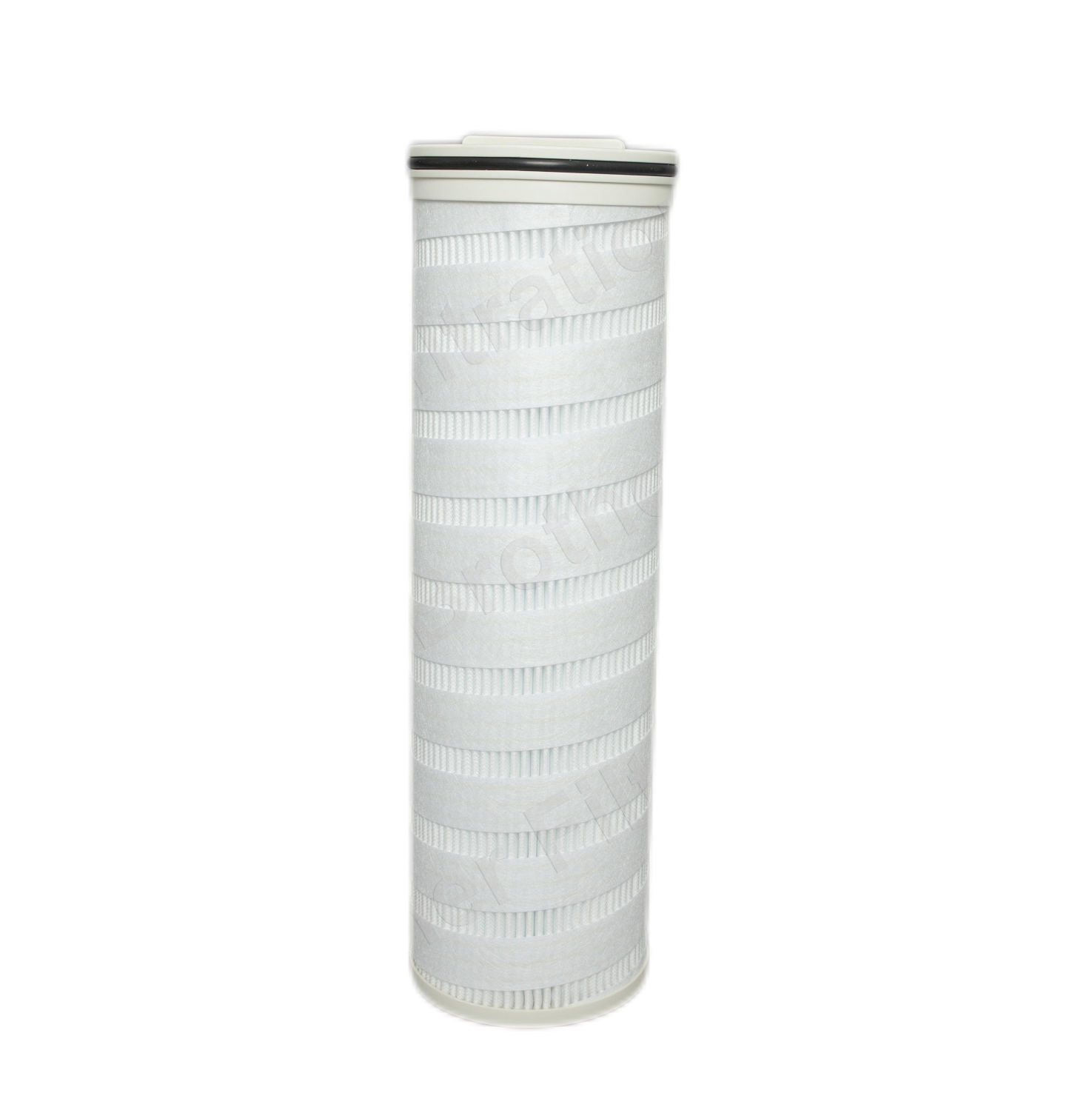
The High Flow Cartridge Filter is a more advanced option for protection filtration.

It is designed to handle high flow rates and has a larger surface area, allowing for better filtration efficiency and longer filter life.

High Flow Cartridge Filter is the best seller and flag product of Brother Filtration, the most popular one is Max A high flow cartridge filter, with a large water flow capacity and large filter outer diameter.

maxa filter

Filtration after RO system

After the process of the RO system, the main objective is to remove tinniest particles and contaminates, here we need filter cartridges with Absolute Ratings.

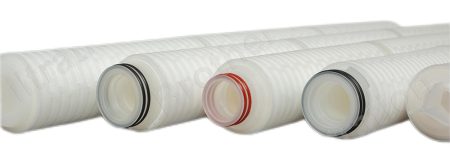
The Polypropylene Pleated Cartridge Filter is an excellent choice for post-RO filtration. The pleated design increases the contaminant capacity of the filter, ensuring a longer filter life and reducing the need for frequent replacements.

Polypropylene Pleated Cartridge Filter offers a higher filter surface area and exceptional contaminant capacity.

Another option for post-RO filtration is the High Flow Cartridge Filter. High Flow Cartridge Filter has a high flow rate and large dirt-holding capacity, helping customers to improve filtration efficiency.

This means that they can effectively capture and retain a significant amount of contaminants, even in demanding filtration systems.

pleated filter cartridges

SWRO vs BWRO: Choosing the Right Membrane for Your Application

Not all RO membranes are equal. The two dominant categories, seawater reverse osmosis (SWRO) and brackish water reverse osmosis (BWRO) are engineered for fundamentally different feedwater salinities and operating pressures. Selecting the wrong membrane type leads to under-performance, accelerated fouling, or premature failure.

Parameter SWRO Membrane BWRO Membrane
Feedwater TDS 30,000–45,000 mg/L (open ocean) 1,000–10,000 mg/L (brackish groundwater, estuaries)
Salt Rejection Rate > 99.5% (typically 99.6–99.8%) 96–99.5%
Operating Pressure 55–85 bar (800–1,230 psi) 10–25 bar (145–365 psi)
Permeate Recovery 35–50% 70–85%
Energy Consumption 3–6 kWh/m³ (with ERD) 0.5–2.5 kWh/m³
Typical Membrane Materials Thin-film composite (TFC) polyamide Thin-film composite (TFC) polyamide
Pressure Vessel Length 1,016 mm (40 in) elements, 6–8 per vessel 1,016 mm elements, 6–7 per vessel
Key Standards / Testing ASTM D4516 (SWRO), IDA performance benchmarks ASTM D4194 (BWRO)

The > 99.5% salt rejection rate is a critical specification for SWRO systems supplying drinking water. A membrane operating at 99.5% rejection on 35,000 mg/L seawater produces a permeate of approximately 175 mg/L TDS — well within the WHO potable water guideline of 500 mg/L TDS.

For projects where feedwater salinity varies seasonally (e.g., coastal intake near river deltas), a SWRO-rated membrane operated at reduced pressure can handle lower-salinity periods without replacement, offering operational flexibility that BWRO membranes cannot safely provide.

Energy Consumption in Seawater Desalination: RO, MED, and MSF Compared

Energy cost is the single largest operational expense in seawater desalination, often representing 30–50% of the total cost of water produced. The three main large-scale technologies Reverse Osmosis (RO), Multi-Effect Distillation (MED), and Multi-Stage Flash (MSF) differ substantially in their energy profiles.

Technology Energy Type Typical Consumption Best-Case with Recovery Carbon Footprint
Reverse Osmosis (RO) Electrical (high-pressure pumping) 3–6 kWh/m³ 2–3 kWh/m³ (with ERD) Low – compatible with renewable energy
Multi-Effect Distillation (MED) Thermal (low-grade steam) + electrical 5–9 kWh equivalent/m³ 4–6 kWh eq/m³ Moderate – depends on heat source
Multi-Stage Flash (MSF) Thermal (steam) + electrical 10–16 kWh equivalent/m³ 8–12 kWh eq/m³ High – typically co-located with power plants

Why RO Dominates New Installations

The global shift toward RO is primarily energy-driven. Energy recovery devices, particularly pressure exchangers (PX) have reduced SWRO energy consumption from over 8 kWh/m³ in the 1990s to below 3 kWh/m³ in the most efficient modern plants. The Sorek B plant in Israel, one of the world’s largest SWRO facilities, operates at approximately 2.7 kWh/m³.

Thermal processes (MED and MSF) remain competitive in regions where low-cost thermal energy is available, particularly Middle Eastern countries that co-generate power and water but they are increasingly uneconomical for greenfield projects globally.

Renewable Energy Integration

RO’s lower electrical demand and tolerance for variable input make it the only large-scale desalination technology currently compatible with intermittent renewable energy sources (solar PV, wind). Pilot projects in Chile, Australia, and Saudi Arabia have demonstrated off-grid solar-powered SWRO at commercial scale, pointing to a future where desalination becomes carbon-neutral.

RO Membrane Fouling in Seawater Systems: Types, Causes, and Prevention

Membrane fouling is the primary cause of RO system performance degradation. It increases differential pressure, reduces permeate flux, lowers salt rejection, and shortens membrane service life. Understanding fouling mechanisms is essential for any operator or engineer designing a seawater desalination system.

The Four Major Fouling Types

Fouling Type Cause Indicators Prevention / Treatment
Particulate / Colloidal Suspended solids, clays, silt bypassing pre-treatment Rising differential pressure (ΔP) at lead elements Optimise pre-treatment; maintain SDI₁₅ < 3; 5 µm cartridge filters
Biological (Biofouling) Bacterial biofilm growth on membrane surface Rapid ΔP rise; membrane discoloration; biological odour in concentrate Continuous low-level chlorination (< 0.1 mg/L) upstream; periodic biocide dosing (DBNPA); CIP with alkaline detergent
Scaling (Inorganic) Carbonate, sulfate, silica precipitation at high recovery Salt rejection decline; concentrate pH rise; scale deposits visible on membrane autopsies Antiscalant dosing; acid dosing to control Langelier Saturation Index (LSI); limit system recovery to safe thresholds
Organic Humic substances, natural organic matter (NOM), hydrophobic organics Flux decline; permeate TOC increase Enhanced coagulation; activated carbon pre-filtration; NaOCl CIP

Cleaning-in-Place (CIP) Protocol

When normalised pressure differential (NPD) increases by 15% or normalised flux declines by 10% from baseline, a CIP is warranted. A standard CIP sequence for SWRO systems:

High pH clean (pH 11–12, sodium hydroxide + surfactant) – targets biofouling and organic deposits:

  • Recirculate cleaning solution at 35–40°C for 30–60 minutes
  • Soak for 1–8 hours
  • Flush with RO permeate or low-SDI feedwater

Low pH clean (pH 2–3, citric acid or HCl) – targets scale and inorganic deposits:

  • Recirculate cleaning solution at ambient temperature for 30–60 minutes
  • Soak for 1–4 hours
  • Flush and return to service

Membrane autopsy, physical dissection and laboratory analysis of a sacrificed element — is the most reliable diagnostic tool when conventional CIP fails to restore performance. Key tests include SEM/EDX analysis for elemental composition of deposits, microbial culture for biofouling identification, and TOC analysis for organic fouling characterisation.

Membrane Service Life

With proper pre-treatment and CIP protocols, SWRO membrane elements have a typical service life of 5–7 years. The International Desalination Association (IDA) recommends performance logging at minimum monthly intervals to detect fouling trends early and schedule CIP before irreversible compaction or chemical degradation occurs.

The Final Filtration

At the final filtration, we need to do further precise filtration to make the water drinkable, here the main filter cartridges we use are Polypropylene Pleated Filter and Polyethersulfone Membrane Pleated Filter.

The Polypropylene Pleated Filter is commonly used for final filtration. Its pleated design offers a larger surface area, allowing for more effective filtration and reducing the chance of clogging.

Additionally, Polyethersulfone (PES) Membrane Pleated Filters are known for their excellent performance in removing bacteria, viruses, and other microorganisms from the water.


Wave Edge

Industry Standards and Technical Benchmarks for Seawater Desalination Filtration

Credible technical content in the desalination sector requires grounding in verifiable standards, real performance data, and authoritative industry bodies. The following references and data points can be woven throughout the article to strengthen E-E-A-T signals.

Key Industry Standards

Standard / Body Scope Relevance to This Article
IDA (International Desalination Association) Global desalination industry body; publishes annual Desalination Yearbook with installed capacity and performance data Cite for global SWRO capacity figures and technology market share
WHO Guidelines for Drinking-water Quality (4th Ed.) Sets TDS, microbial, and chemical limits for potable water Cite when discussing permeate quality targets (TDS < 500 mg/L, turbidity < 1 NTU)
ASTM D4516 Standard practice for standardizing RO membrane element performance data for SWRO Reference when discussing salt rejection rate measurement methodology
ASTM D4194 Standard practice for BWRO membrane performance testing Reference in SWRO vs BWRO comparison section
ISO 3696 Water for analytical laboratory use, relevant for ultra-pure water post-desalination Relevant for pharmaceutical or semiconductor applications downstream
AWWA M46 American Water Works Association manual on RO and nanofiltration Cite for CIP protocols and membrane maintenance guidance

Verifiable Performance Data Points to Include

The following data points, properly sourced, significantly strengthen E-E-A-T. Insert at appropriate places in the article body:

  • Global installed desalination capacity: approximately 100 million m³/day (IDA, 2023 Desalination Yearbook) [VERIFY current figure]
  • RO’s share of global desalination capacity: approximately 69% of all installed capacity (IDA)
  • SWRO salt rejection benchmark: > 99.5% for potable water production (standard industry specification)
  • Sorek A plant (Israel): 624,000 m³/day capacity; energy consumption ~3.5 kWh/m³ [VERIFY]
  • Ras Al Khair (Saudi Arabia): one of the world’s largest MSF+RO hybrid plants; combined capacity > 1 million m³/day [VERIFY]
  • SDI₁₅ threshold for SWRO: < 5 (mandatory); < 3 (recommended by most membrane manufacturers)
  • Typical SWRO membrane element: 8-inch diameter, 40-inch length, 400 ft² active area per element

Conclusion

In today’s usage of complex water resources, desalination occupies an increasingly important position. RO technology is an essential part in sea water filtration, which offers pure water and needs prefiltration.

Every stage of sea water filtration needs to be paid attention and selecting different filter cartridges due to the various characteristics of different particles and contaminants.

Brother Filtration has been deeply involved in the filtration industry, designing and manufacturing various filter cartridges and filter products, which fulfil the needs of sea water treatment.

And we have already helped many desalination plants to do their sea water filtration. If you have any problem about sea water filter cartridges and RO systems, or you want to have professional suggestions, please feel free to contact us.

Subscribe to our blog newsletter

Get the best, coolest and latest delivered to your inbox each week

Have Questions?

error: Content is protected !!