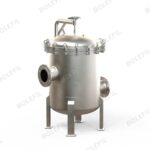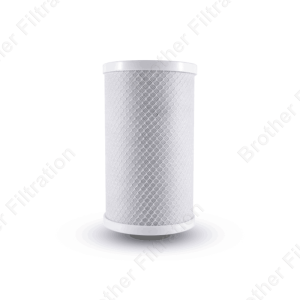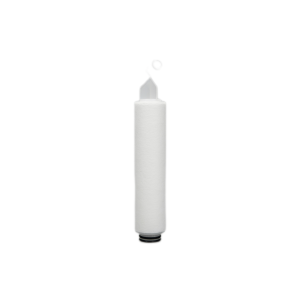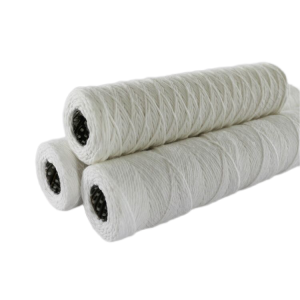

The main reason for most industrial filtration problems is that someone put in a filter that wasn’t made for the job. It was close enough on paper, the price was right, and it fit the pipe. Still, it was a compromise, and over time, compromises cost more than the money saved at first.
Custom industrial filtration solutions fix this by not starting with a product catalog but with your actual process. We choose the filter media, housing size, flow rating, and pressure design based on what you need, not what you can find at the store.
This guide explains what custom and engineered filter systems really are, why they are important in a wide range of industries, from oil and gas to water treatment, and what to look for when choosing a filtration partner.
What Are Custom Industrial Filtration Solutions?
A custom industrial filtration solution is a filter system that is built specifically for your process instead of being sold as a general product. That sounds simple, but it changes a lot about how the system is designed, built, and maintained. When you buy a standard filter off the shelf, you are accepting the engineering decisions of whoever made it in bulk. The micron rating, the media type, the housing material, and the flow rating were all made for a hypothetical average customer.
If your application happens to match that average, you are fine. If it doesn’t, and most real-world industrial processes don’t, you are working around limitations built into the product from the start. A custom filtration system flips this. Engineers look at your fluid type, your contamination profile, your flow rates, and your operating pressure before anything is selected. The result is a system that fits your process, not one your process has to accommodate.