

Bag filtration is one of the most widely used liquid filtration methods in water treatment, valued for its ability to handle high flow rates, high particle loads, and aggressive chemicals at a lower operating cost than cartridge systems.
This guide covers everything a water treatment engineer or plant operator needs to specify the right bag filter for their application.
What Is a Bag Filter?
A bag filter is a pressure vessel containing a textile filter bag through which liquid passes. Particles are captured by the bag media and retained inside while filtered liquid exits through the outlet. Unlike cartridge filters, which can be expensive to replace frequently, bag filters offer a high dirt holding capacity that makes them cost effective for high volume, high solids applications.
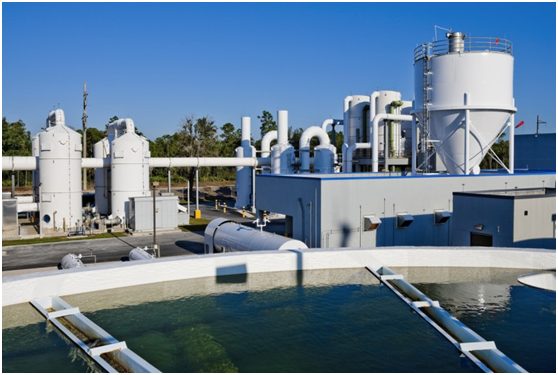
Bag filters are used at multiple stages of a water treatment system. They serve as coarse filtration before membranes, as a final polishing step before product use, or as standalone filters for process water with consistent sediment loads.
How a Bag Filter Works
Understanding the operating principle helps with both selection and troubleshooting.
Step 1. Feed water enters the housing. Unfiltered liquid enters the bag filter housing through the inlet, typically at the top or side.
Step 2. Flow passes through the bag. Water flows from the outside of the filter bag inward, or through the bag wall from inside to outside depending on the housing design. The bag media captures particles at or above its rated micron size.
Step 3. Particles accumulate on the bag surface. Suspended solids, sediment, rust, fibres, and other particulates build up on the upstream side of the bag. As the bag loads, the pressure differential across the housing increases.
Step 4. Filtered water exits through the outlet. Clean liquid passes through the bag and exits from the outlet port at the bottom or side of the housing.
Step 5. Replace when the pressure differential reaches the maximum. Most installations use a pressure gauge or differential pressure switch to trigger bag replacement. Replacing on a time schedule rather than by pressure is the most common cause of premature or overdue changeouts.
Types of Bag Filter Media and Which Material Fits Your Application
 Material selection is the most critical decision in bag filter specification. The wrong material fails rapidly, passes contamination, or simply does not survive the chemical environment of the process liquid. Brother Filtration manufactures industrial filter bags in polypropylene, nylon, PTFE, polyester, and Nomex, covering the full range of water treatment applications.
| Material | Temp limit | Chemical compatibility | Micron range | Best applications |
| Polypropylene (PP) | 90 degrees C | Wide. Handles acids, alkalis, most solvents | 1 to 200 µm | General industrial water, food and beverage, chemical processing |
| Nylon (PA) | 100 degrees C | Good. Works with most water based fluids and weak acids | 1 to 200 µm | Food and beverage, pharmaceuticals, neutral pH process water |
| Polyester (PE) | 135 degrees C | Moderate. Handles water based fluids, not strong solvents | 1 to 400 µm | Municipal water treatment, general process water, coarse filtration stages |
| PTFE | 200 degrees C | Exceptional. Compatible with virtually all chemicals including strong acids and solvents | 1 to 50 µm | Aggressive chemical environments, high purity applications, semiconductor |
| Nomex (Aramid) | 200 degrees C | Good at high temperature. Limited chemical resistance | 1 to 100 µm | High temperature process streams, thermal oil systems |
How to choose:
For general industrial process water and water treatment, polypropylene is the cost effective default. For food, beverage, or pharmaceutical water, specify nylon filter bags or polypropylene with FDA compliant materials. For highly acidic, alkaline, or solvent based process streams, use PTFE filter bags. For applications above 100 degrees C, Nomex filter bags are the right choice. For coarse filtration at high flow rates, polyester in heavyweight felts handles the load well.
Explore our range of industrial water filtration products tailored to your needs.
Bag Filter Micron Ratings for Water Treatment

Micron rating defines the smallest particle size the bag will reliably capture. Choosing the right micron rating balances filtration quality with flow rate and bag life. A rating that is too fine for the application causes rapid pressure buildup and short bag life. A rating that is too coarse passes particles that damage downstream equipment or affect water quality.
| Application | Recommended micron rating |
| Coarse filtration before cartridge filters | 50 to 200 µm |
| Filtration before RO membranes | 5 to 25 µm |
| Filtration before UF membranes | 25 to 100 µm |
| Municipal water treatment, raw water intake | 50 to 200 µm |
| Industrial cooling water | 25 to 100 µm |
| Food and beverage process water | 1 to 25 µm |
| Pharmaceutical process water | 1 to 10 µm |
| Wastewater polishing before discharge | 10 to 50 µm |
Nominal vs absolute rating: Most bag filters are nominally rated, meaning they capture a percentage (typically 70 to 90 percent) of particles at the stated size. Absolute rated bag filters guarantee 99.9 percent or better removal and are required for pharmaceutical and food safety applications.
Bag Filter Applications in Water Treatment

Filtration Before RO Systems
Bag filters are widely used as the first protection stage before reverse osmosis membranes, which are highly sensitive to suspended solids. Even a short period of unfiltered water can cause irreversible fouling and dramatically shorten membrane life. A 5 to 25 micron bag filter upstream of the RO feed pump removes coarse particulates that would otherwise accumulate on the membrane surface.
For most RO filtration stages, a 5 or 10 micron polypropylene bag filter provides the balance between adequate protection and acceptable pressure drop. High solids feed water may require a two stage system with a coarser bag filter first and a finer bag filter second, before the RO unit.
Industrial Cooling Water Filtration
Cooling towers and heat exchangers in industrial facilities accumulate biological growth, scale, and suspended solids that reduce heat transfer efficiency and cause corrosion. Bag filters on cooling water return lines remove these solids before they enter the tower or heat exchanger, extending equipment life and reducing chemical treatment requirements.
Flow rates in cooling water systems can be very high, making multiple bag housing configurations the standard choice. Polypropylene or polyester bags at 25 to 100 microns are typical for this application.
Bag Filters for Water Tank Filtration
Filling water storage tanks with unfiltered water allows sediment and particulates to accumulate at the tank base, creating conditions for biological growth and contaminating the stored water over time. A bag filter on the tank inlet line prevents this accumulation and reduces the frequency of tank cleaning.
For water tank applications, a 50 to 100 micron polypropylene or polyester bag in a single bag housing is typically sufficient unless the source water carries a high suspended solids load.
Bag Filters for Wastewater Treatment
Bag filters serve a specific role in wastewater treatment, which is polishing the treated effluent before discharge or reuse. At this stage, the primary biological treatment has already removed most organic load, and the bag filter removes residual suspended solids to meet discharge permit limits.
Wastewater applications have distinct requirements compared to clean water filtration:
Higher solids loads mean bags reach capacity faster. More frequent replacement or larger housing sizing is necessary.
Discharge regulations often specify maximum TSS (total suspended solids) in effluent. The micron rating must be tight enough to meet these limits consistently.
Chemical compatibility matters more in wastewater environments. Treatment chemicals can degrade standard polypropylene media in some facilities.
Handling of spent bags requires consideration. Contained disposal and appropriate PPE for changeouts are standard practice.
For wastewater polishing to regulatory discharge standards, 10 to 50 micron nominal rated polypropylene or polyester bags in properly sized housings are the standard specification.
Municipal and Industrial Water Treatment Plants
In municipal water treatment, bag filters serve as filtration stages before activated carbon, ion exchange, or membrane treatment steps. Industrial water treatment plants that feed boilers, process equipment, or filling lines use bag filters across multiple treatment stages.
For large scale applications, multiple bag housings with 4, 8, or more bags operating in parallel handle the high flow rates of treatment plant operations while keeping pressure drop within acceptable limits.
Bag Filter Housing: Single Bag vs Multiple Bag
The housing determines the maximum flow rate, the operating pressure rating, and the ease of bag replacement. Selecting the wrong housing size is as damaging to system performance as selecting the wrong bag. Brother Filtration’s bag filter housings are available in carbon steel, 304 stainless steel, 316 stainless steel, and polypropylene, in both single bag and multiple bag configurations.
Single bag housings are suitable for flow rates up to approximately 50 to 80 cubic metres per hour depending on bag size and construction. They are common in smaller installations and point of use filtration applications.

Multiple bag housings handle higher flow rates by running multiple bags in parallel within a single pressure vessel. 2 bag, 4 bag, and 8 bag configurations are standard, with custom sizes available for very high flow applications.

Key housing specifications to match:
Flow rate in cubic metres per hour or GPM. Size the housing so differential pressure remains acceptable at maximum flow. Operating pressure in the bar or PSI must exceed system operating pressure. Connection size must match process piping at inlet and outlet ports.
How to Select the Right Bag Filter for Water Treatment
Follow these four steps before specifying any bag filter system.
Step 1. Analyse your feed water:
Obtain a water quality report covering TSS (total suspended solids), pH, temperature, chemical composition, and any biological content. This determines both the material compatibility and the required micron rating.
Step 2. Define your output quality requirement:
What must the filtered water achieve? A discharge permit limit, a specific TSS level for downstream equipment protection, or a potable water quality standard all lead to different micron rating requirements.
Step 3. Calculate your flow rate:
Size the housing for your maximum flow rate, not your average. Undersizing causes excessive pressure drop, rapid bag loading, and frequent changes. Oversizing causes low velocity through the bag and poor particle capture efficiency.
Step 4. Confirm material compatibility:
Match bag media material to the chemical environment. For any fluid containing aggressive chemicals, consult a chemical resistance chart for the specific media before specifying.
Bag Filter vs Cartridge Filter: When to Use Each
Bag filters and depth filter cartridges solve similar problems but suit different operating conditions. The choice often comes down to flow rate, particle load, and operating cost.
| Factor | Bag filter | Cartridge filter |
| Flow rate | High. Suited for large volumes | Lower. Better for moderate flow |
| Dirt holding capacity | Very high | Lower |
| Finest available rating | 1 µm nominal | 0.1 µm absolute |
| Operating cost at high solids | Lower | Higher |
| Precision filtration (pharma, food) | Limited | Better suited |
| Changeout time | Fast (2 to 5 minutes) | Moderate |
| Available materials | PP, nylon, polyester, PTFE, Nomex | Wider range including membrane media |
Use bag filters when flow rates are high, particle loads are significant, and absolute rated precision filtration is not required.
Use cartridge filters when fine or absolute rated filtration is required, when pharmaceutical or food safety regulations demand documented filtration performance, or when flow rates are moderate.
Many water treatment systems use both. Bag filters handle the high flow filtration stage, followed by cartridge filters for final polishing.
Bag Filter Maintenance and Replacement
When to Replace Bag Filters
Replace bag filters when differential pressure across the housing reaches the manufacturer’s recommended maximum, typically 1.5 to 2.5 bar (20 to 35 PSI). Operating beyond this point risks bag failure, bypassing of unfiltered liquid, or housing damage.
Do not replace on a fixed time schedule unless your feed water quality is highly consistent and you have established through experience that a specific interval matches your differential pressure threshold. Time based replacement leads to either premature replacement (waste) or overdue replacement (system damage).
Correct Bag Installation
An improperly installed bag filter leaks around the bag collar and bypasses unfiltered liquid regardless of the bag’s micron rating. Before closing the housing, follow these steps:
- Inspect the bag collar and housing seating surface for damage or debris.
- Seat the bag collar firmly in the housing basket ring.
- Ensure the bag hangs fully extended inside the basket. A bunched bag restricts flow and reduces dirt holding capacity.
- Confirm the housing lid O ring is correctly seated before closing.
A simple visual inspection at each bag change prevents the most common cause of filtration failure in bag filter installations.
FAQs
1. What is a bag filter used for in water treatment?
Bag filters remove suspended solids, sediment, rust, fibres, and coarse particulates from process water, cooling water, feed water, and treated wastewater. They are used as filtration barriers before membrane systems, as polishing filters before discharge, and as protection filters for downstream equipment in water treatment plants.
2. What micron bag filter do I need for RO filtration?
Most RO membrane manufacturers recommend a 5 or 10 micron filter upstream. In high SDI (Silt Density Index) feed water, a two stage approach works well. Use a 25 micron coarse bag first, followed by a 5 micron bag second. This extends RO membrane life and reduces cleaning frequency.
3. How long does a bag filter last?
Bag filter life depends entirely on the particle load in the feed water. In clean applications with low sediment, a bag may last several weeks. In high solids water treatment applications, daily or even twice daily replacement is normal. Monitor differential pressure to determine actual changeout frequency for your specific application.
4. What is the difference between a bag filter and a filter bag?
A bag filter refers to the complete filtration system, including the housing, basket, and bag media. A filter bag is the replaceable textile media element inside the bag filter housing. The bag is the consumable; the housing is the permanent vessel.
5. Can bag filters be cleaned and reused?
Some applications allow bag filter rinsing and reuse, particularly felt bags in low contamination applications. However, for regulated applications (food, pharmaceutical, water treatment with discharge limits), single use bags are standard practice. Reused bags risk contamination carryover and compromised filtration integrity.
6. What bag filter size do I need for my flow rate?
Standard bag sizes (size 1 and size 2) handle different flow rate ranges. A single size 2 bag housing typically handles up to 50 to 80 cubic metres per hour depending on construction. Higher flow applications use multiple bag housings. Contact Brother Filtration with your flow rate and pressure requirements for a specific housing recommendation.
Conclusion
Brother Filtration manufactures and supplies bag filter housings and filter bags for water treatment applications across industrial manufacturing, food and beverage, pharmaceutical, municipal water treatment, power generation, and wastewater management. Whether you need a single bag housing for a point of use application or a multiple bag system for a high volume treatment plant, our team can help you specify the right configuration for your water quality and flow requirements.
Contact our filtration engineers
Related reading:


